

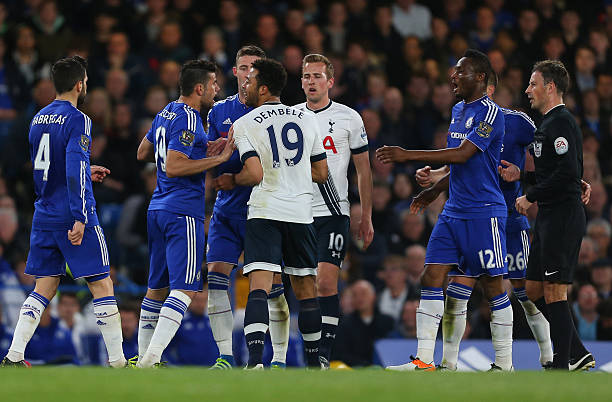
When Chelsea’s official entrance anthem echoes through Stamford Bridge, the moment the words “We hate Tottenham” are sung in unison by the entire stadium, the message couldn’t be clearer. It’s a direct expression of the deep-rooted hatred that binds Chelsea and Tottenham — a rivalry that will once again take center stage at 6:30 p.m. this Saturday, November 1st, in a new chapter of their fierce London derby.
Through this article, we’ll explore how two clubs from the same city, seemingly with nothing in common, have come to despise each other — by analyzing the historical dynamics that shaped their relationship over time.
A Century-Old Rivalry Born from Pride and Class
To grasp how this derby took shape, it’s essential to understand the social dynamics tied to London and its neighborhoods. In this case, football rivalry serves as a mirror — a reflection of the city’s class divides and its contrasting local identities.

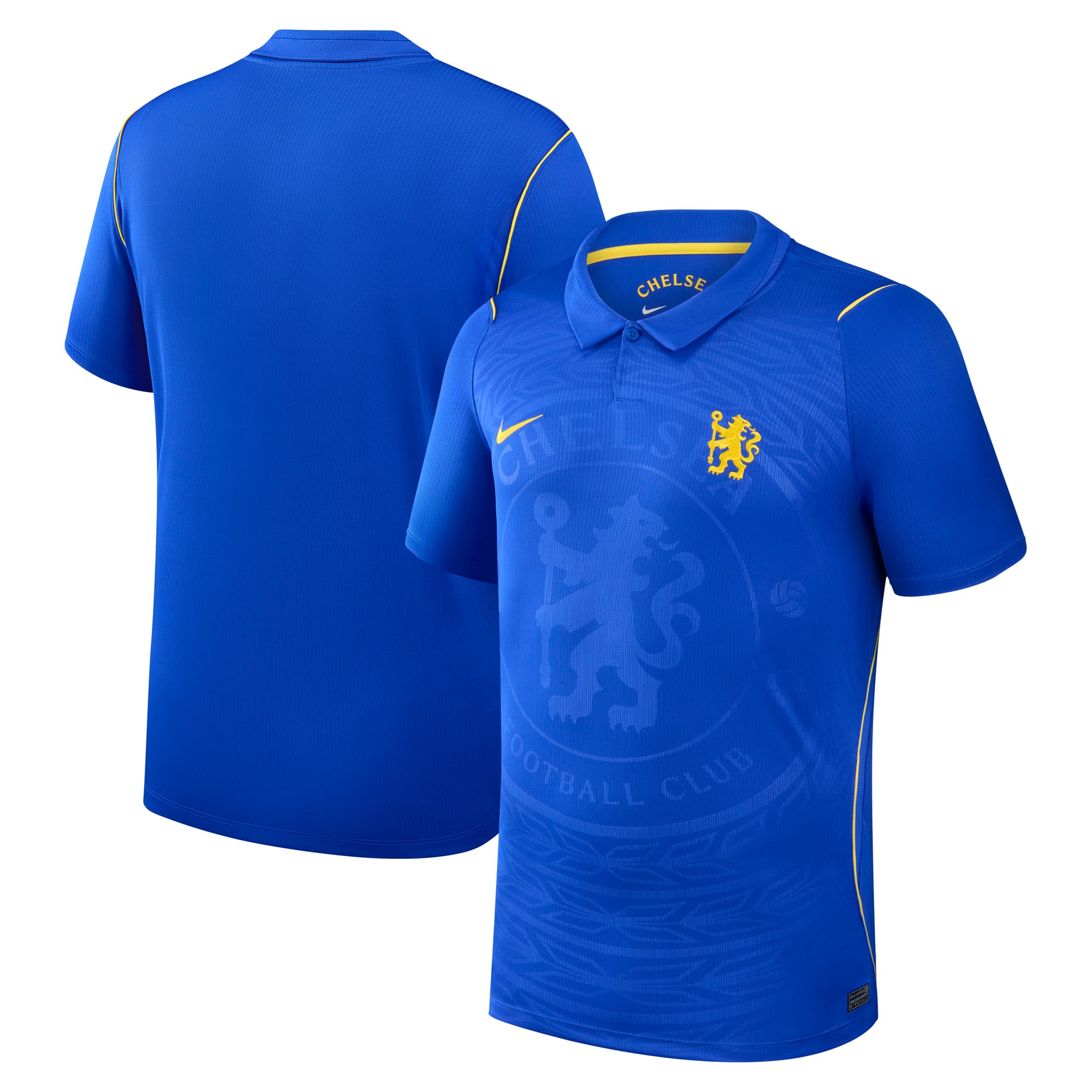
Chelsea embodies prestige and privilege. The club was born in Fulham, a district of West London associated with wealth and refinement. Tottenham, on the other hand, symbolizes the working-class spirit of North London — more accessible, more diverse, and easier for many to identify with.
1910 – 1967 : firsts derbys
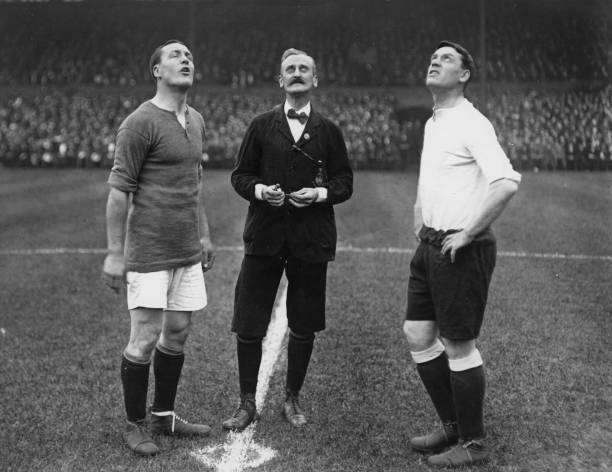
The first-ever meeting between the two sides took place in December 1909 at Stamford Bridge, in the old Football League First Division — the ancestor of today’s Premier League. Chelsea won that inaugural match 2–1. Yet the real story came in the return fixture on April 30, 1910, at White Hart Lane. The stakes were huge: survival in the First Division. Tottenham won 2–1, with the decisive goal scored by former Blue turned Spur, Percy Humphreys.
That first season set the tone for decades — over 50 years where the encounters carried limited meaning. Tottenham’s main rival was Arsenal, while Chelsea’s local feud with Fulham drew more attention.
The turning point : FA cup final in 1967
Every derby, however, needs a turning point — a defining moment to ignite true rivalry. Social differences can fuel tension, but in a city as rich in football clubs as London, it takes more. For Chelsea vs. Tottenham, the real spark came with the 1967 FA Cup Final.
Since their first league title in 1955, Chelsea had only lifted one League Cup in 1965. They remained competitive, regularly finishing high in the table. Tottenham, meanwhile, were in their golden era — two FA Cups and a league-and-cup double in 1961. A showdown between the two in such a prestigious competition carried enormous weight.
Wembley was packed with over 100,000 fans eager to witness the first all-London Cup Final. The match was fiercely contested, but Tottenham prevailed 2–1, with Bobby Tambling scoring the lone Chelsea goal.
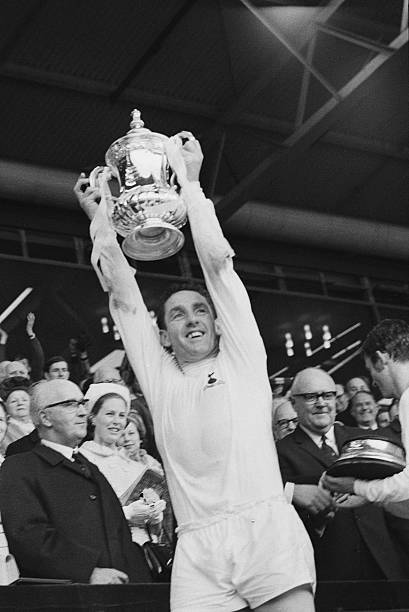
The legacy of that match was significant: it reinforced Tottenham’s superiority and cemented their reputation as London’s dominant force. Seeing former Chelsea players Jimmy Greaves and Terry Venables crowned as Spurs heroes only deepened the sting — Tottenham had become the club to join if you wanted to win.
Though it would be their last FA Cup before 1981, Tottenham maintained their strong position near the top of the table, while Chelsea entered a decline, even suffering relegation in 1975. That season’s 40th-round derby sealed Chelsea’s fate and kept Spurs in the top flight.
Since 1989 : Chelsea takes control
After years bouncing between the top flight and Division Two, Chelsea firmly reestablished themselves in the First Division from 1989 onward. The partnership of chairman Ken Bates and businessman-supporter Matthew Harding helped propel the club forward.
At the same time, Tottenham’s struggles under owner Alan Sugar — both financial and sporting — marked a shift in the balance of power. Chelsea became the dominant side in London’s blue-and-white derby.
From 1990 to 2006, Tottenham failed to win a single league derby against Chelsea.
As Chelsea began collecting trophies again, Spurs faded into mid-table obscurity, rarely finishing higher than 11th until 2005–2006. The arrival of Roman Abramovich widened the gap even further.
Before 1990, most of the animosity had come from Chelsea’s side. But as the tables turned, so did the resentment. Spurs fans — long used to finishing above their rivals — struggled to accept their club’s new, lesser status. Chelsea fans, meanwhile, mocked Tottenham by nicknaming White Hart Lane “The Lane of Three Points.”
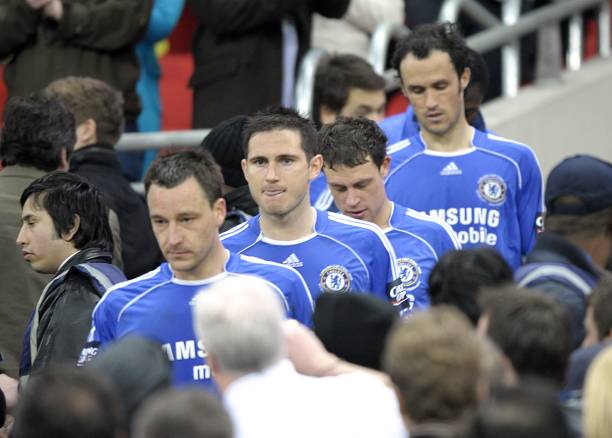
Since Tottenham’s long-awaited league win over Chelsea in 2006, both clubs have shared the upper reaches of the Premier League. The “Big Four” became the “Big Six,” with Spurs and Manchester City joining the elite.
The derbies regained their intensity and meaning, especially in 2008, when Tottenham beat Chelsea in the League Cup Final and later drew 4–4 in a spectacular league clash.
https://youtu.be/kEND8ibB7t4?si=AjS0jlqLViWRkFFV
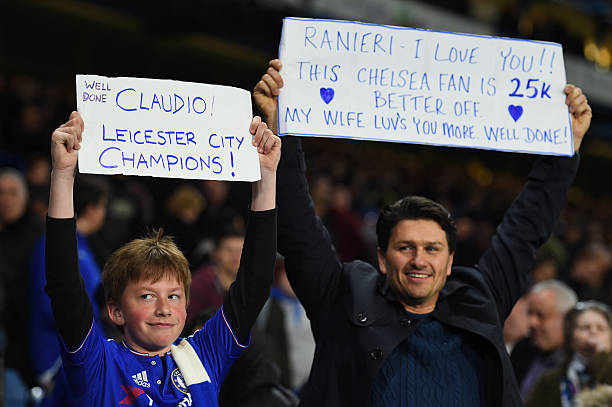
As Spurs began to challenge for the top four — and even flirt with the title — Chelsea twice played the spoiler. On May 2, 2016, Chelsea (then sitting 10th) came from 0–2 down to draw 2–2 at Stamford Bridge. That fiery Battle of the Bridge ended Tottenham’s title hopes and crowned Leicester City champions in one of the wildest Premier League nights ever.
In 2016–2017, Tottenham had one of their best seasons in modern history, yet Chelsea were simply too strong, forcing Spurs to settle for second place.
Tottenham’s resurgence, combined with Chelsea’s sustained success, has rekindled the rivalry’s spark since 2006. For some Spurs players, Chelsea has even surpassed Arsenal as their primary rival.
“The rivalry with Chelsea is bigger than with Arsenal, purely because of what they’ve done to us in recent years. Maybe for the fans it’s different — the North London Derby will always be massive — but for us as players, right now, Chelsea feels bigger.”
As Danny Rose admitted before 2016-2017’s campaign of Premier League
This Saturday, November 1, Chelsea once again meet a rival whose path has constantly intertwined with their own. This derby is unique among London rivalries — born not from shared geography or social identity, but from pure sporting competition. Unlike the North London Derby, Chelsea vs. Tottenham stands as a clash of ambition, history, and pride between two clubs that share nothing but their hunger to win.
The last derby at the Tottenham Hotspur Stadium :
 Chelsea