

Soccer can sometimes feel like a perfectly written script, where storylines naturally intersect to create moments rich with contrast, symbolism, and tension. Tonight’s Premier League clash between Liverpool and Sunderland at Anfield is one of those moments. On paper, this is a meeting between a global powerhouse and a recently promoted outsider still writing the opening chapters of its new top-flight journey. But scratch beneath the surface, and the confrontation tells a much deeper story—of ambition versus frustration, of momentum versus doubt, and perhaps most intriguingly, of two coaches whose seasons could not be more different.


Arne Slot and Régis Le Bris arrive at this fixture from opposite sides of the emotional spectrum. Slot, entrusted with leading one of the richest squads in English football, has struggled to translate individual quality into collective dominance. Meanwhile, Le Bris has turned Sunderland into one of the league’s most refreshing success stories, guiding a promoted side to an unexpectedly brilliant campaign powered by smart recruitment, fearless tactics, and unity of purpose.
Tonight isn’t merely a match, it is a confrontation between two visions of how football can work—and how it can fail.
Liverpool: Promise Without Fulfillment
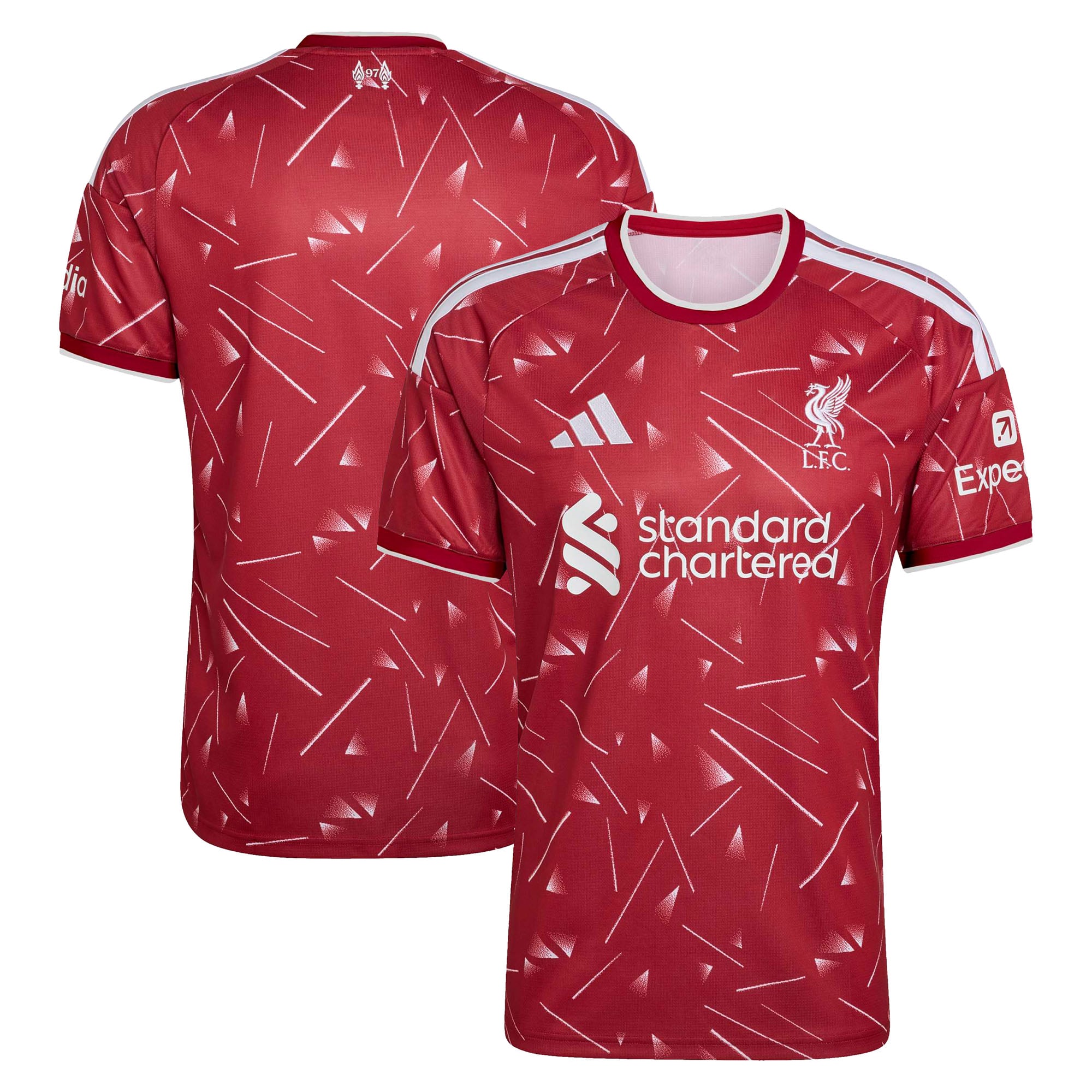
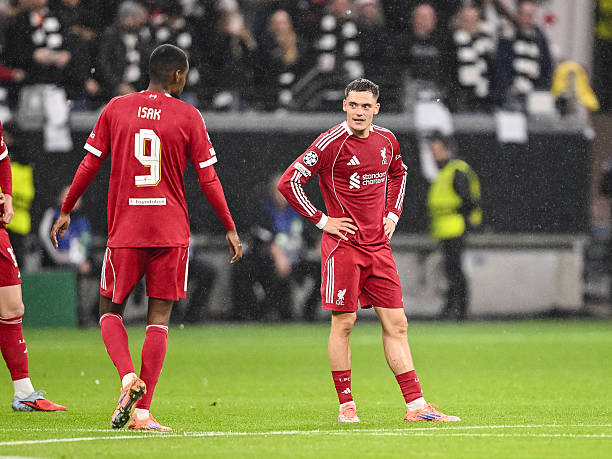
Liverpool entered the 2025–26 season surrounded by cautious optimism. The club had invested heavily in depth with Alexander Isak and Florian Wirtz for example and rejuvenated key positions. On paper, the squad looked balanced: pace out wide, creativity in midfield, experience in defense, and a rotation of dynamic attackers capable of troubling any backline in Europe.
Yet somehow, the puzzle has refused to come together.
Arne Slot’s arrival in 2024 was meant to usher in a fresh tactical era following years of high-octane football under his predecessor, Jurgen Klopp. His reputation was built on progressive possession football, intense pressing triggers, and fluid attacking rotations. In theory, these ideas aligned beautifully with Liverpool’s DNA. In practice, implementation has been uneven at best.
The Reds have been plagued by inconsistency. Matches follow a frustrating pattern: brilliant spells of dominance undone by defensive lapses, missed chances, or moments of mental fragility. Points dropped from winning positions have become all too common. Anfield—once an impenetrable fortress—has felt strangely vulnerable. The roar remains, but belief has wavered.
With a squad stacked full of internationals, expectations remain sky-high. Supporters don’t accept transitional periods easily when results fail to justify patience. Slot has carried the pressure diplomatically, insisting that performances are improving and that cohesion takes time. But soccer is brutally simple on this front: possession statistics and passing patterns only mean something when they deliver victories.
As the league table stands approaching December, Liverpool find themselves uncomfortably outside the title conversation—and even the race for Champions League qualification is beginning to tighten. This is not where Liverpool believe they should be.
And it is not what Arne Slot envisioned.
Slot Under the Microscope

Slot isn’t suffering because of a lack of ideas—quite the opposite. He has arguably faced the classic “big club dilemma”: having too many individual solutions without discovering the collective answer. Several attacking partnerships have been rotated. Midfield combinations have been trialed and reshuffled. Defensive structures alternate between high-risk pressing and deeper containment.
The experimentation has yet to yield consistency.
Some critics argue that Slot’s insistence on tactical complexity is counterproductive with a squad used to more direct rhythms. Others suggest the players themselves have struggled to adapt psychologically to a coach without the towering emotional presence of his predecessor.
There’s also the question of burden. Managing Liverpool does not simply involve football tactics—it means handling relentless media scrutiny, enormous supporter expectation, and the quiet internal pressure of maintaining elite standards week after week.
In contrast to tonight’s opponent, Slot coaches a side weighed down by expectation rather than fueled by it.
Sunderland: Riding the Wave of Momentum

At the other end of the emotional scale sits Sunderland.
Back in August, few people predicted they would be anywhere near the Premier League’s upper half this early in the season. Promotion campaigns often end in anxious survival battles—scraping points, shoring up defenses, and hoping enough rivals collapse to ensure safety. Not Sunderland.
Under Régis Le Bris, the club’s return to the top flight has been nothing short of electric. From the opening weeks, it became clear that Sunderland had no intention of retreating into survival mode. They play expansive football. They press with conviction. They attack with numbers and courage.
And crucially, they are winning.
Their summer transfer window raised eyebrows, not so much for marquee names but for strategic efficiency. The recruitment team focused on athletic profiles, tactical adaptability, and mental resilience. Instead of splurging on a few stars, Sunderland spread their resources across multiple roles to enhance squad cohesion.
Le Bris was instrumental in identifying players who fit not just technical requirements, but his philosophy: energetic, fearless football that rejects inferiority complexes.
That confidence has translated on the pitch. Sunderland approach each opponent—whether newly promoted competitors or traditional giants—with the same mindset: we belong here. Their league position reflects that belief.
Le Bris : Architect of Overachievement
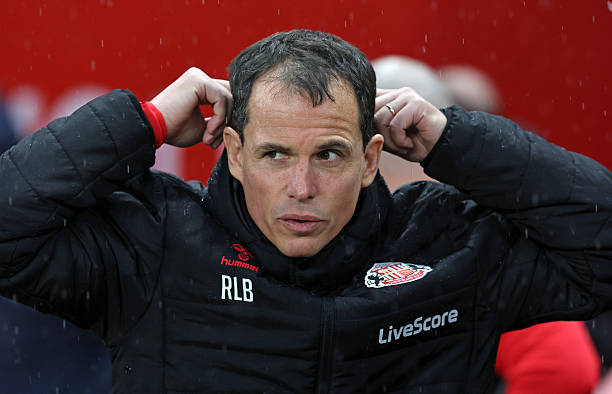
Régis Le Bris has become one of the Premier League’s coaching stories of the season.
Without the financial muscle or established stars of the league elite, he has crafted a team whose strength lies in structure and collective trust. Sunderland’s movement is synchronized. Pressing shapes collapse space methodically. Ball progression feels deliberate rather than desperate.
What stands out most is their emotional maturity. For a newly promoted side, they display remarkable composure. Setbacks haven’t spiraled into slumps; instead, defeats are followed by resilient responses. There’s an underlying sense that everyone—players, staff, supporters—are aligned behind the project.
Le Bris doesn’t project the aura of superstardom associated with elite managers, but his understated authority resonates powerfully with his squad. Communication seems transparent. Roles appear clearly defined. Tactical demands are precise yet flexible.
In short: Sunderland look like a team coached with total clarity.
The contrast with Liverpool is stark. Where Sunderland’s synergy amplifies individual strengths, Liverpool occasionally feel like a collection of talented parts searching for harmony.
Expectations: Two Worlds Apart
Few matches capture diverging expectations so starkly.
Liverpool: Anything short of Champions League qualification threatens to be labeled disappointment. Domestic cups are nice but secondary. Every league match is judged through the lens of title credentials. When points are dropped, narratives quickly turn from patience to scrutiny.
Sunderland: Survival was the baseline goal. Respectability the aspiration. Yet their current trajectory has already surpassed realistic forecasts. Every victory feels like a bonus. Every performance builds confidence rather than fear.
This emotional axis affects everything—from fan reactions to player psychology.
Liverpool step onto the pitch with the weight of obligation. Sunderland arrive with the luxury of freedom.
Historically, football often favors the team whose minds are lightest.
Tactical Clashes
Tonight’s encounter offers intriguing chessboard dynamics.
Liverpool are expected to dominate possession, pressing high to win territory and create overloads centrally. Slot thrives on controlled build-up and spacing manipulation. His fullbacks invert, wingers stretch lines wide, and midfielders recycle possession rapidly to destabilize defensive blocks.
Sunderland, by contrast, relish moments without the ball. They compress space efficiently, triggering aggressive counter-presses upon turnovers. Once regained, they transition at lightning speed—vertical passes aimed to exploit high defensive lines.
This matchup creates a volatile balance. Liverpool must keep positional discipline to avoid exposing the spaces Sunderland feast upon. Sunderland must maintain concentration for extended defensive spells without losing compactness.
One loose pass, one hesitation on either side, could shift the match’s momentum dramatically.
Psychological Subplot
Perhaps the biggest question tonight is psychological rather than tactical.
Which team handles the emotional pressure of occasion?
For Liverpool, the crowd demands dominance. An early goal may calm nerves; prolonged frustration could bring anxiety creeping into the stands—and onto the pitch. Missed chances generate groans where cheers should be. This cyclical tension has weighed on recent home outings.
For Sunderland, Anfield offers not pressure but opportunity. There’s a belief within their camp that this is the stage they dreamed of. Every tackle, every break holds an element of fearless expression.
Le Bris’ messaging reportedly emphasizes ambition over caution. His players do not arrive seeking 0–0 draws—they arrive to compete openly, believing they can disrupt any team’s rhythm.
That fearless belief alone can be deeply unsettling for nervous favorites.
Individual Matchups
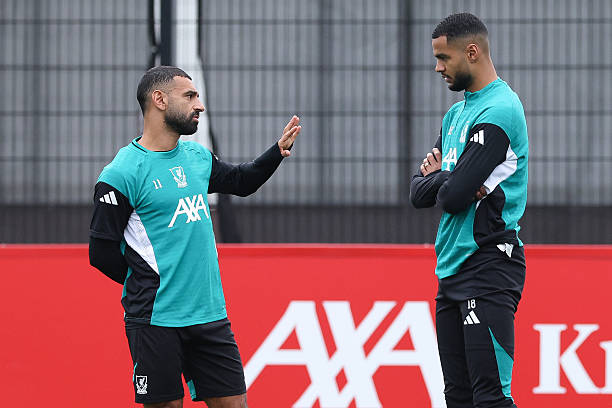
Beyond the managerial duel, the pitch will feature several intriguing micro-battles.
Liverpool’s creative midfielders versus Sunderland’s pressing engine room is perhaps the most pivotal confrontation. If Liverpool can bypass the first wave of pressure and connect passes between lines, Sunderland may be forced deeper than they prefer—reducing transition opportunities.
Meanwhile, Sunderland’s direct attackers against Liverpool’s backline could test spatial awareness. High defensive positioning leaves little margin for error. Efficient runs and early balls could open shooting lanes before defenders can reset.
Even set-pieces hold storyline weight: Liverpool have been inconsistent defensively from dead-ball situations this season, while Sunderland have maximized their aerial efficiency—a classic underdog advantage.
What’s at Stake
| Standing | Club | Points | Wins | Draws | Losses | Goal Difference |
| 6 | Sunderland | 22 | 6 | 4 | 3 | +4 |
| 8 | Liverpool | 21 | 7 | 0 | 6 | 0 |
The implications stretch beyond three points.
For Liverpool, a victory would stabilize their season narrative. It would reaffirm belief in Slot’s process and keep them tethered to European qualification targets. Failure, however, would deepen questions—not simply around tactics, but leadership and adaptation.
For Sunderland, every result strengthens their sense of legitimacy. A win—or even a bold performance—reinforces their transformation from survivors to contenders for a top-half finish. Momentum is precious for emerging teams, and sustaining belief through December could define their entire campaign.
Final Thoughts
Liverpool vs. Sunderland on December 3, 2025, is not the mismatch many predicted when the fixture list was released.
Instead, it symbolizes two diverging journeys:
- One club wrestling with underachievement amid privilege.
- Another soaring through overachievement fueled by coherence and courage.
The crowd will expect dominance from their hosts. Yet football remains relentlessly democratic—effort, clarity, and courage do not respect reputations.
As lights flood Anfield and the whistle prepares to sound, two managers stand on opposite ideological platforms. One seeks redemption and validation. The other aims to continue one of the Premier League’s most captivating ascents.
The match may last only ninety minutes—but its narrative echoes much larger truths:
In football, titles aren’t won by budgets alone.
And underdogs aren’t dangerous simply because they lack fear—
but because sometimes, they have everything to believe in.
Tonight, belief meets burden under the Anfield lights.
And only one version can win.
 Liverpool