

Arsenal 1-0 Chelsea (4-2 agg.)
Kai Havertz 90+7′.

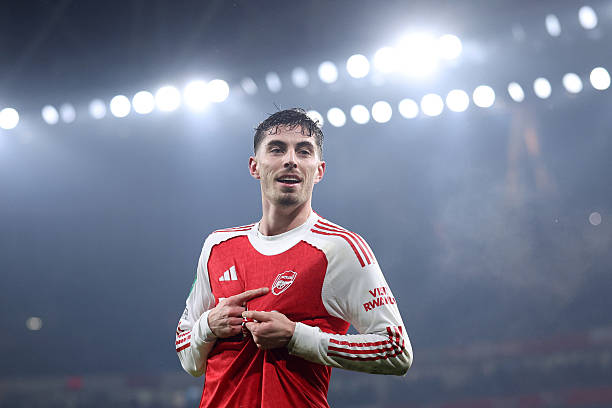
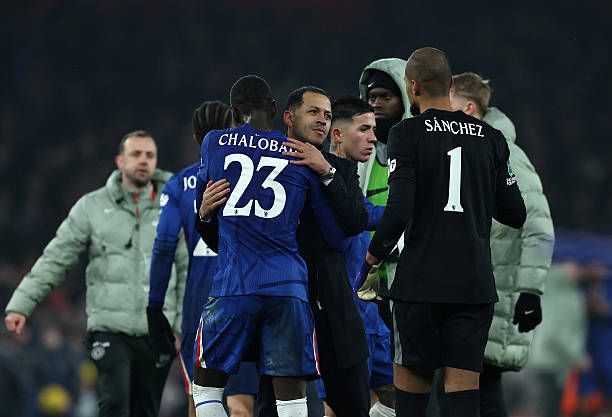
In a tense and cagey second leg of the League Cup semi-final at the Emirates Stadium, Arsenal and Chelsea played out a 0-0 draw, until Kai Havertz made the ultimate rush to score at the 90+7′, allowing Arsenal to progress to the final on aggregate after a thrilling first leg.
The match, which carried massive stakes for both London clubs, ultimately hinged on Arsenal’s narrow advantage from the first leg, a 3-2 victory at Stamford Bridge that had set the stage for this decisive return fixture.
Liam Rosenior had 6 wins and 1 lose since he took charge of Chelsea’s managment, his only loss was against Arsenal during the first leg. The English coach wanted to show Chelsea fans that he was able to beat the best team in England currently. Mikel Arteta wanted to keep his team available in all competitions and to go for the first time, in the League Cup Final (they won the FA Cup in 2020, the first and only trophy with him as Arsenal coach).
From the opening whistle, both teams approached the game with caution. Arsenal, content to protect their aggregate lead, opted for a measured tempo, maintaining defensive solidity while probing for openings. Chelsea, meanwhile, needed a positive result and looked to take initiative, but struggled to find consistent penetration through Arsenal’s well-structured back line.
Chelsea’s tactical setup showed early promise, with manager Liam Rosenior urging his side to keep possession and press high in transitions. However, despite several promising spells of possession and a few moments on the edge of the final third, the Blues rarely troubled the Arsenal goal in a meaningful way. Their attacking movements often broke down well outside the penalty area, and key chances were few and far between.
Arsenal’s defense was compact and disciplined throughout. Mikel Arteta’s side managed to absorb pressure effectively, cutting out dangerous through balls and maintaining strong positional awareness. Chelsea’s best openings tended to come from set pieces or moments of individual creativity, but Arsenal’s back four and goalkeeper were rarely stretched. In many ways, Arsenal’s strategy was a demonstration of tactical pragmatism: defending resolutely and waiting for chances on the counter rather than committing men forward in risky situations.
The second half followed much the same script as the first. Chelsea continued to push, introducing fresh legs in search of a goal that would level the tie and potentially take it into extra time. Arsenal responded by tightening up in midfield, looking to break up play and control possession whenever possible. There were flashes of excitement, notably from overlapping full-backs and clever flicks in the final third but neither side managed to carve out a clear scoring opportunity that truly tested the opposing goalkeeper.
As the clock ticked down, the tension grew. Chelsea’s urgency increased, with crosses and long diagonal balls aimed toward Arsenal’s box. Yet, Arsenal remained composed, clearing danger and maintaining their shape. They even scored at the very last second of the game with Kai Havertz dribbling Sanchez after a counterattack. The final whistle sparked relief for the home fans, as Arsenal celebrated advancing to the League Cup final, where they will now have a chance to compete for silver against either Newcastle or Manchester City.
For Chelsea, the draw was not enough to overturn the first-leg deficit and they even collapsed at the very end with what happened to be a loss. While there were strong moments, the inability to convert pressure into goals ultimately ended their journey in the competition. The Blues will now shift focus back to their league campaigns and other cup competitions.
Despite the lack of goals on the night, the match served as a reminder of the fine margins that often decide knockout football with Arsenal’s earlier attacking edge proving just enough to send them through.
 Chelsea