

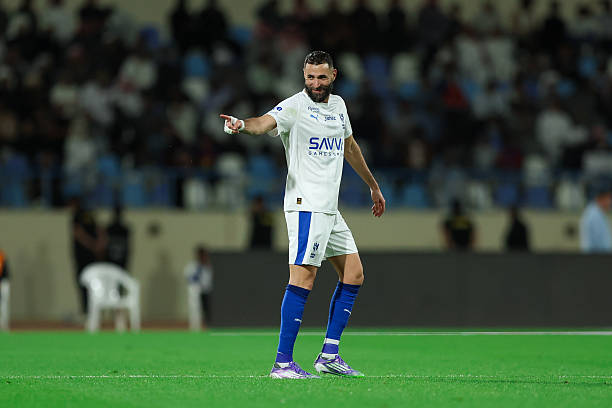
The Saudi Pro League continues to attract global football stars in 2026, reinforcing its ambition to position itself among the world’s most visible championships. One of the most striking moves of the winter transfer window was Karim Benzema’s transfer from Al-Ittihad to Al-Hilal in January. At 38 years old, the former Ballon d’Or winner signed a contract running until June 2027, following reported internal tensions at his previous club.
This high-profile move further underlines the growing financial and sporting power of Saudi clubs, while also exposing emerging structural tensions within the league.
Cristiano Ronaldo : anger, absences and public discontent
In recent days, Cristiano Ronaldo has been at the center of controversy. The Al-Nassr forward missed at least two Saudi Pro League matches despite being fit and fully available for selection. According to multiple media reports, his absence was not due to injury but rather a form of personal protest against his club’s transfer strategy—and, more broadly, against the league’s governance model.
Sources close to the situation suggest that Ronaldo is frustrated by Al-Nassr’s lack of significant reinforcements during the winter transfer window, particularly when compared to Al-Hilal’s aggressive recruitment, including the signing of Benzema and other key players.
The Portuguese star is said to be critical of the role played by the Public Investment Fund (PIF), which holds majority stakes in several Saudi clubs, including Al-Nassr and Al-Hilal. Ronaldo reportedly believes that resources are not being distributed evenly, or that Al-Nassr is not receiving sufficient strategic support to compete at the highest level.
According to sporting sources, Ronaldo has requested concrete guarantees from Al-Nassr’s leadership—and indirectly from the PIF—regarding the club’s future ambitions. Without such assurances, he is reportedly considering leaving the league as early as June.
This situation has sparked intense debate in global football circles, with some observers describing Ronaldo’s stance as an individual “strike,” while others see it as a broader leadership and governance crisis.
The PIF : Real influence or perceived favoritism
The Saudi Public Investment Fund remains a central actor in the league’s development, holding controlling stakes in Al-Nassr, Al-Hilal, Al-Ittihad, and Al-Ahli. Amid growing controversy, the Saudi Pro League has publicly reiterated that clubs operate independently, that recruitment decisions are made internally, and that no player—regardless of status—dictates transfer policy.
League officials insist that financial regulations are in place to preserve competitive balance and deny any favoritism toward specific clubs. This messaging aims to counter the perception of unequal treatment while protecting the league’s credibility on the international stage. The Ronaldo saga has exposed underlying tensions within a league still in its formative years at the elite level.
From a sporting perspective, Al-Hilal’s strong recruitment strategy and squad stability reinforce its status as the league’s dominant force. Al-Nassr, despite its wealth of talent, now faces a potential crisis of cohesion centered around its marquee player—an issue that could negatively affect short-term performance.
Paradoxically, the controversy has also increased the Saudi Pro League’s global visibility. However, some analysts warn that perceptions of instability and governance uncertainty could deter more cautious elite players in the future.
Ultimately, the league’s ability to continue attracting top-tier talent will depend not only on financial power, but also on the perceived fairness, transparency, and coherence of its sporting project.
A league at a turning point
The Ronaldo–Al-Nassr situation remains fluid, with negotiations ongoing and the possibility of a summer departure still very real. League authorities are attempting to limit reputational damage while maintaining competitive integrity.
If tensions persist, the balance of power between clubs could shift significantly—especially if other high-profile players begin questioning their long-term future in Saudi Arabia. The role of the PIF, and perceptions of equity in resource allocation, will remain central and sensitive issues.
The early 2026 transfer window has thus revealed an unprecedented moment of friction in Saudi football: a global superstar expressing frustration through absences, growing scrutiny of institutional power structures, and potential consequences for both the sporting and economic image of the Saudi Pro League.
As the league matures, attracting football legends brings visibility and ambition—but also new challenges in governance, leadership, and the management of exceptional personalities.
 Al Nassr
 Cristiano Ronaldo