

When David Beckham arrived in Major League Soccer in 2007, many observers saw the move as little more than a publicity stunt. The English superstar, famous for his career with clubs like Manchester United and Real Madrid, was viewed by skeptics as a fading European icon heading to America for a lucrative retirement tour. Nearly two decades later, however, Beckham’s impact on soccer in the United States is undeniable.

From his groundbreaking playing career with the LA Galaxy to his bold vision as co-owner of Inter Miami CF, Beckham helped reshape Major League Soccer (MLS) into a globally recognized league. Today, the arrival of superstars such as Lionel Messi, Luis Suárez, Sergio Busquets, and Jordi Alba in Miami represents the culmination of a long-term transformation that Beckham himself helped set in motion.
The beginning of the “Beckham Effect”
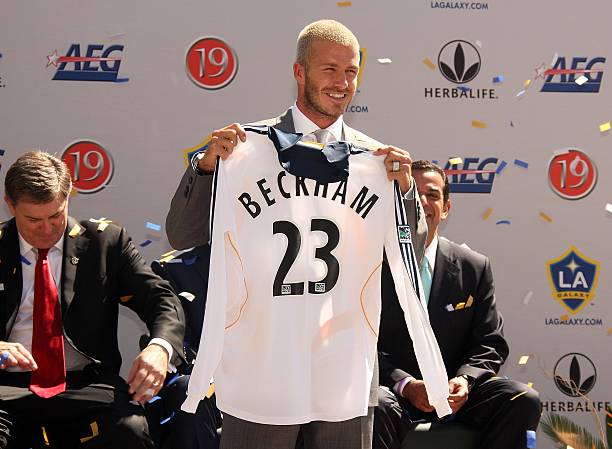
When Beckham joined the LA Galaxy in 2007, soccer in the United States still struggled for mainstream attention. The sport trailed far behind American football, basketball, baseball, and even hockey in popularity. MLS had only 12 teams at the time, television coverage was limited, and many international players viewed the league as a final stop before retirement.
Yet Beckham’s arrival changed the perception of the league almost overnight.
His signing generated massive global media attention, increased merchandise sales, and drew large crowds to stadiums across the country. Matches featuring Beckham often sold out, and the league suddenly found itself featured on major sports broadcasts. According to sports analysts, the so-called “Beckham effect” helped spark a surge in interest in MLS and encouraged new investment into the league.
More importantly, Beckham helped demonstrate that MLS could attract international stars and operate as a credible professional league rather than a niche American experiment.
This impact extended beyond his on-field contributions. Beckham helped the LA Galaxy win two MLS Cups in 2011 and 2012, but his real legacy was cultural. He brought glamour, celebrity appeal, and global visibility to American soccer.
The hidden clause that changed everything
Perhaps Beckham’s most significant contribution to American soccer wasn’t something he did on the pitch, but a clause in his MLS contract.
As part of his deal with the LA Galaxy, Beckham negotiated the option to purchase an MLS expansion franchise in the future at a fixed price of $25 million. At the time, few people paid attention to the clause. Soccer in the United States still had uncertain financial prospects.
But Beckham recognized the league’s long-term potential.
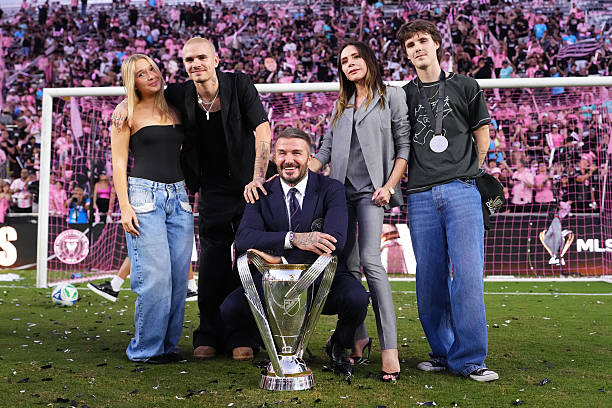
After retiring from playing in 2013, he activated the clause and began working on launching a franchise in Miami. The process took years of negotiations, stadium planning, and financial partnerships, but in 2018 his vision finally materialized with the creation of Inter Miami CF.
At that point, MLS expansion fees had skyrocketed. New teams were reportedly costing hundreds of millions of dollars to join the league. Beckham’s $25 million option suddenly looked like one of the smartest deals in sports business history.
Inter Miami officially began to play in MLS in 2020.
Building Inter Miami into a global brand
From the beginning, Beckham envisioned Inter Miami as something more than just another MLS club.
The team’s branding, color scheme, and marketing strategy were designed to appeal to an international audience. Miami itself provided the perfect setting: a global city with strong connections to Latin America and Europe.
However, the early years were not easy. Inter Miami struggled on the field and faced criticism for inconsistent results. Attendance was respectable but not spectacular, and the team lacked the star power necessary to stand out in the increasingly competitive MLS landscape.
Behind the scenes, however, Beckham and his partners were planning something much bigger.
Their strategy was to build a club capable of attracting the biggest stars in the world — something MLS teams had rarely accomplished before.
The Messi revolution
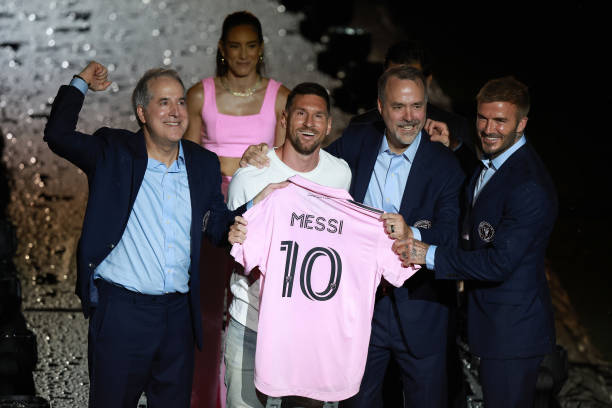
Everything changed in 2023.
In one of the most shocking transfers in modern soccer history, Lionel Messi — widely considered the greatest player of all time — chose to join Inter Miami instead of returning to Barcelona or moving to Saudi Arabia.
The move stunned the football world.
Messi’s arrival immediately transformed both Inter Miami and MLS as a whole. Ticket prices soared, merchandise sales exploded, and global viewership of MLS matches surged. Streaming subscriptions for the league doubled shortly after his debut, while stadium attendance increased dramatically.
The effect was felt across the entire league. Clubs hosting Inter Miami began moving games to larger stadiums to accommodate demand, sometimes drawing crowds exceeding 60,000 spectators.
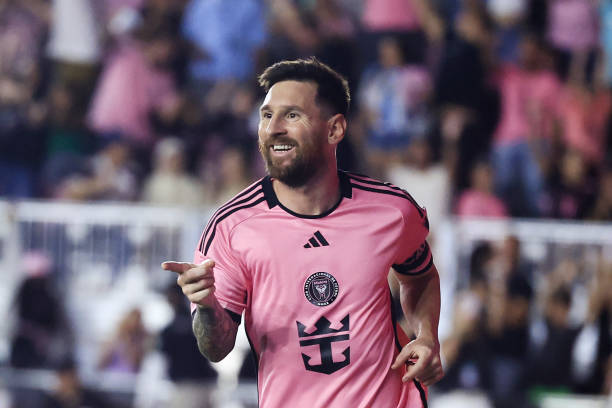
On the field, Messi delivered instant success. He led Inter Miami to the 2023 Leagues Cup and later helped the team win the MLS Cup in 2025, becoming the tournament’s MVP in the final.
The Argentine star’s influence also extended beyond the pitch. His jersey became the best-selling kit in MLS for several consecutive seasons, and Inter Miami’s brand recognition skyrocketed worldwide.
Suddenly, the league that once struggled for relevance was attracting global headlines.
The Barcelona connection


Messi was not the only superstar to arrive in Miami.
Following his signing, several of his former FC Barcelona teammates joined the club, including Luis Suárez, Sergio Busquets, and Jordi Alba. This reunion of legendary players turned Inter Miami into one of the most recognizable teams in world soccer.
For MLS, the move was unprecedented.
Instead of attracting aging players seeking one final contract, the league was now able to recruit globally celebrated athletes still capable of performing at the highest level.
This shift dramatically changed how international fans perceived American soccer.
Economic impact on MLS
The financial consequences of Beckham’s vision have been enormous.
MLS has expanded from 12 teams in 2007 to 30 franchises today, reflecting rapid growth in investment and popularity.
Club valuations have also surged. Inter Miami itself has become one of the most valuable soccer teams in North America, with revenues increasing dramatically since Messi’s arrival.
Across the league, sponsorship deals, television rights, and merchandise sales have all increased as soccer gains momentum in the United States.
MLS’s partnership with Apple for global streaming rights is another sign of the league’s growing relevance in the international sports market.
In many ways, the league now resembles the ambitious project Beckham envisioned years earlier.
A cultural shift in American sports
Beyond finances and trophies, Beckham’s influence has contributed to a broader cultural change.
For decades, soccer struggled to compete with America’s traditional “big four” sports leagues. But today, the sport is growing rapidly among younger fans and multicultural communities.
Beckham himself acknowledged this transformation after Messi joined the league, stating that soccer’s popularity in the United States has risen dramatically compared with earlier decades.
The timing is also significant. The United States will host the FIFA World Cup in 2026 alongside Canada and Mexico, an event expected to further accelerate soccer’s growth across North America.
In many ways, the country is finally becoming a true soccer nation.
Beckham’s unique legacy
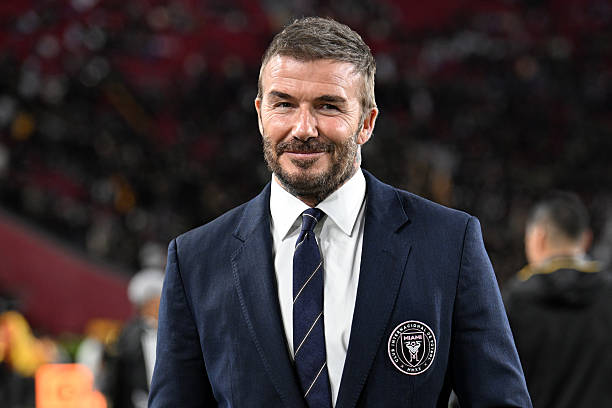
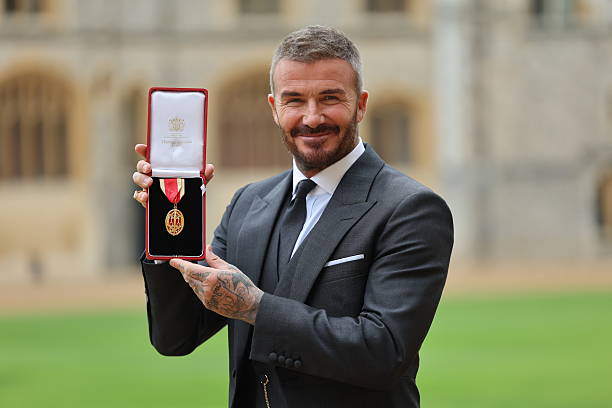
What makes Beckham’s story remarkable is that he transformed American soccer twice.
First, he helped elevate MLS as a player, bringing unprecedented attention and credibility to the league. Then he returned as an owner and built one of the most influential clubs in North America.
Few athletes have had such a profound impact on the development of a sport within a country.
Today, Inter Miami represents the modern face of MLS — a club capable of attracting global superstars, generating worldwide media coverage, and competing for major trophies.
And at the center of that transformation stands David Beckham.
The future of soccer in the United States
Looking ahead, the influence of Beckham’s vision may continue to grow.
Inter Miami is preparing to move into a new 25,000-seat stadium as part of the massive Miami Freedom Park development, a project expected to further strengthen the club’s infrastructure and commercial power.
At the same time, MLS is positioning itself as a league capable of attracting elite players during the later stages of their careers — much like the NBA has done globally.
With Messi under contract through the late 2020s and the 2026 World Cup approaching, American soccer appears to be entering its most important era yet.
Conclusion
David Beckham’s journey in American soccer began as a bold gamble.
What started as a controversial transfer to the LA Galaxy eventually evolved into a visionary business strategy that reshaped Major League Soccer. By leveraging his global influence, negotiating a unique ownership opportunity, and ultimately building Inter Miami into a superstar destination, Beckham helped elevate soccer in the United States to unprecedented levels.
Today, packed stadiums, billion-dollar franchises, and global icons like Lionel Messi playing in MLS would have seemed unimaginable two decades ago.
Yet Beckham believed it was possible.
And in many ways, the modern success of soccer in America is the ultimate proof that he was right.
 David BeckhamDavid Beckham