

When the Premier League officially launched in 1992, English soccer was emerging from an especially difficult period. Stadium disasters, safety concerns, aging facilities, and the consequences of English clubs being banned from European competitions following the Heysel disaster had severely damaged the reputation of British soccer. Yet, in just over three decades, the English top flight has become the financial benchmark of world soccer. Its clubs attract the biggest stars, its games are broadcast across hundreds of territories, and its television rights generate enormous revenue. This transformation cannot be explained solely by the financial power of club owners or the arrival of foreign investors. Above all, it is the result of a commercial strategy developed in the early 1990s, an ability to market soccer as entertainment, and a revenue-sharing model that has gradually widened the gap between the Premier League and other European leagues. To understand this success, it is necessary to revisit a decisive moment: the breakaway of England’s top-flight clubs from the old Football League, which allowed elite teams to negotiate their broadcasting rights collectively within a more commercially independent framework.
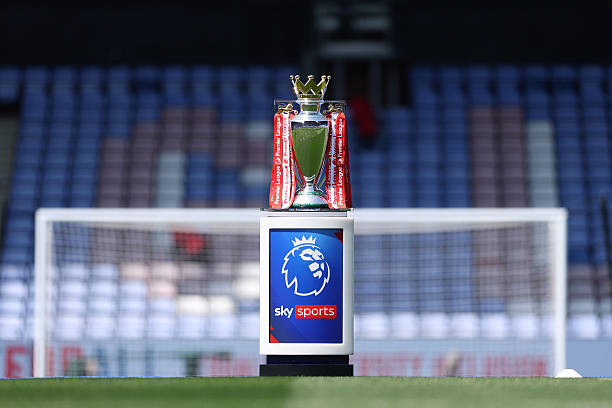
The real turning point came with the agreement reached with Sky Sports in 1992. At the time, pay television represented an uncertain opportunity, but the broadcaster understood that soccer could become a subscription product capable of building viewer loyalty. The newly established Premier League, meanwhile, wanted to increase clubs’ financial resources, modernize stadiums, and attract a broader audience. The partnership between the two organizations gradually transformed the way soccer was consumed in the United Kingdom. Games were no longer simply isolated sporting events; they became regular fixtures on the television schedule, integrated into a paid subscription service and associated with a broader entertainment experience. Historical analyses of the agreement between Sky and the Premier League emphasize the importance of this alliance in building the league’s brand. The sums involved increased with each successive round of negotiations, while live soccer coverage became a central selling point for television providers. The Premier League understood early on that its product could be marketed far beyond the supporters attending games in person.
Television : the driving force behind unprecedented global expansion
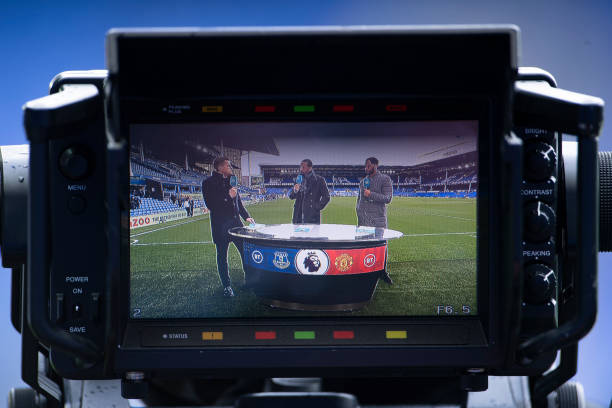
The Premier League’s greatest strength lies in its ability to transform its initial domestic success into an international product. Over the years, the value of British broadcasting rights has increased, but international rights have also become a major source of revenue. Growing broadcasting income has allowed clubs to increase their budgets, sign top-level players, and improve their facilities. This dynamic creates a virtuous cycle: the presence of major stars and renowned coaches strengthens the league’s appeal, increasing demand among broadcasters, who are then willing to invest even more to secure the rights. The quality of the soccer matters, but it does not fully explain the gap between the Premier League and its competitors. The English top flight also benefits from scheduling designed to serve multiple markets, a strong visual identity, consistent international marketing, and an ability to tell the stories of historic rivalries that resonate far beyond England’s borders. Manchester United, Liverpool, Arsenal, and Chelsea enjoy worldwide recognition, while clubs with fewer trophies can also benefit from the collective exposure generated by the league.
This commercial strength becomes even clearer when comparing the revenues of major sporting competitions around the world. Financial rankings published by Sports Value show that the most profitable leagues and competitions rely on several pillars: media rights, sponsorships, ticket sales, hospitality, and commercial exploitation of their brands. The Premier League stands out because it combines these revenue streams across all 20 clubs. It does not depend solely on the commercial success of two or three teams. The entire league benefits from international exposure and a centralized system for selling broadcasting rights. This model gives English clubs considerable purchasing power in the transfer market, even though financial disparities between teams remain significant. It also explains why a mid-table Premier League club can sometimes have greater resources than a title contender in another European league.
Centralized broadcasting rights are precisely one of the most important elements behind this success. Rather than allowing each club to negotiate its own television contracts, the Premier League sells the rights to its games collectively. This structure gives the league greater negotiating power and allows it to offer broadcasters a complete product built around multiple games every weekend. Revenue is then distributed according to rules combining a common share, performance-related criteria, and payments linked to the number of matches broadcast domestically in the UK, alongside international revenue distributed under the rules applicable to each rights cycle. The system does not eliminate inequality, but it guarantees every club a substantial financial foundation. This relative economic balance strengthens the competition’s appeal: more teams can recruit quality players, compete for honors, and maintain hopes of qualifying for European competitions, while the battle to avoid relegation carries enormous sporting and financial consequences.
Recent developments in broadcasting rights confirm the strength of this model. In December 2023, the Premier League announced a domestic broadcasting agreement worth £6.7 billion over four seasons, beginning in 2025-26, with Sky Sports and TNT Sports. The contract provides for up to 270 live games per season and represents another milestone in the growth of British broadcasting revenue. This increase is particularly significant given that the league already sells a substantial number of live games and that the traditional television market is undergoing profound changes. The league is therefore no longer simply looking to raise prices. It must also create more opportunities for fans to consume its content, develop digital offerings, and maintain subscriber interest in an environment where streaming platforms are competing with established broadcasters. International rights remain another essential growth driver, as the Premier League benefits from a fan base spread across several continents.
This economic success nevertheless has its limits. The Premier League’s financial power fuels inflation in transfer fees and wages, while the wealthiest clubs can continue to widen the gap with teams operating on more modest budgets. Dependence on broadcasting income also leaves clubs vulnerable to a potential market slowdown or a decline in the league’s appeal. Finally, abundant resources guarantee neither sound management nor sustained sporting success. Excessive spending, regulatory sanctions, and difficulties complying with financial rules can undermine even the most powerful organizations. The Premier League must therefore balance commercial growth, sporting competitiveness, and long-term financial sustainability.
More than 30 years after its creation, the English top flight has achieved something its competitors have struggled to replicate on the same scale: turning a domestic competition into a global brand whose broadcasting rights finance a substantial part of the soccer ecosystem. Sky played a decisive role in this story, but the league’s success also rests on collective rights sales, the strength of its clubs, the quality of its presentation, and the international appeal of its product. The Premier League did not become the richest soccer league in the world by accident. It understood earlier than many of its rivals that modern soccer is not played exclusively on the field. It is also built through television contracts, commercial strategies, and the ability to captivate supporters far beyond national borders.