

A new round added between the group stage and the Round of 16—let’s try to understand how the playoffs work.
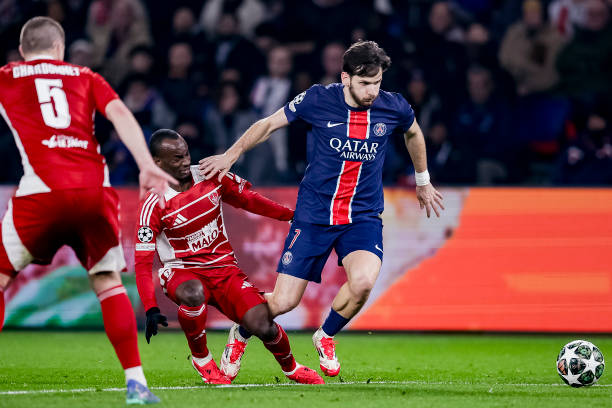
In the creation of this new NBA-style format, with a regular season followed by a playoff-style knockout phase, UEFA introduced a brand-new round: the playoffs. They involve teams ranked from 9th to 24th place and are played over two legs, home and away.
Can we really say that this format offers a second chance to teams that weren’t consistent enough to finish in the top 8?
It’s tempting to lean toward a yes, but when it comes to teams ranked from 9th to 24th, these playoffs are more of a constraint than an opportunity. In an already overloaded calendar—extended by two additional Champions League group matches—this round feels more like an unnecessary addition for certain teams.
Take PSG as an example: PSG played 17 Champions League matches on top of 34 Ligue 1 games, a domestic cup run, and the Club World Cup, where the Parisian club went all the way. PSG played every possible match available to them and started the season on shaky legs, already weakened by this relentless run of games.
As is often the case with UEFA reforms, the playoff round feels like yet another good idea poorly executed. And while Benfica’s joy might challenge that perception, it’s hard to ignore the grueling path of José Mourinho’s men, who were saved by an improbable, almost miraculous scenario.
Moreover, the fact that league standings directly determine potential opponents strips the draw of the magic we usually associate with it.
The Champions League playoffs are a symbol of what UEFA and football’s governing bodies want: more matches to fill empty slots. With Champions League games added in January and no real transition between the group stage and the knockout phase, the viewer is overloaded, and the value of a Champions League match slowly erodes.