

After facing Leeds—who had lost four straight before shocking the Blues—and Bournemouth, winless in six before hosting Chelsea, the London club now meets another side deep in doubt: Atalanta, a team in freefall since the start of the season.
Life after Gasperini : a difficult transition
If Atalanta are competing in the Champions League for the fifth time in their history, they owe it almost entirely to Gian Piero Gasperini. The mastermind behind the club’s transformation—from relegation battles to memorable European nights—Gasperini built a model based on smart recruitment and player development. The Bergamo side became experts at polishing raw talent: from Franck Kessié to Teun Koopmeiners, Atalanta perfected the art of elevating players before selling them for major fees.
That long-term vision paid off in 2024 when Atalanta won the Europa League against Leverkusen, ending the Germans’ dream of an invincible season and finally rewarding Gasperini’s seven years of work.
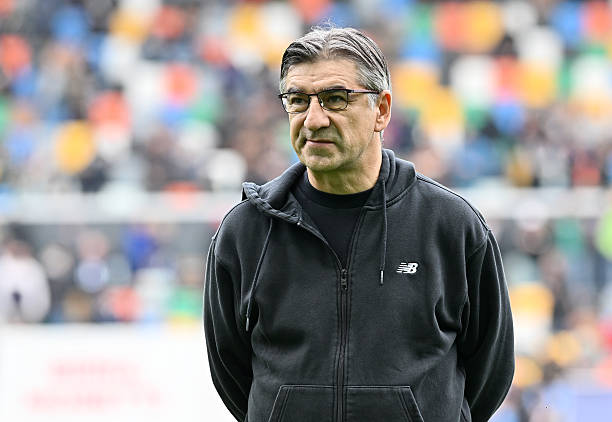
But everything collapsed when club and coach parted ways last spring. Without its architect, Atalanta looked lost. Ivan Jurić, hired as Gasperini’s successor, struggled immediately. A summer transfer window that weakened the squad—highlighted by the sale of promising striker Mateo Retegui—only compounded the problems. By November 9, the day they faced Sassuolo, Atalanta were sitting 13th. That match sealed Jurić’s fate, marking his fourth dismissal in just over a year. His appointment had already raised eyebrows.
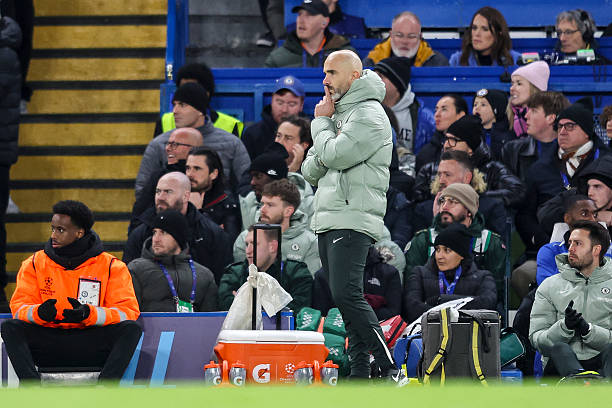
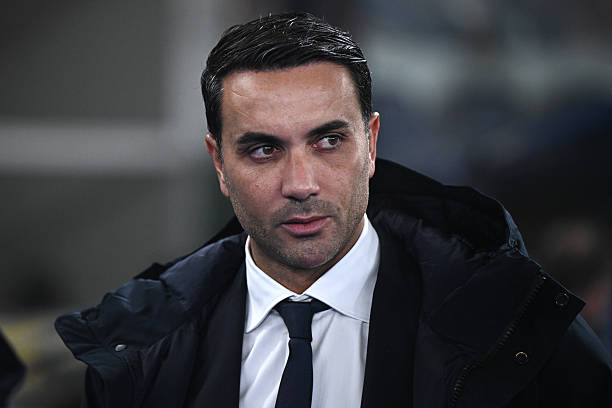
Raffaele Palladino is now in charge, tasked with stabilizing a team drifting dangerously off course.
For Atalanta, the road back begins with this match against Chelsea—an irregular but formidable opponent.
Chelsea : consistency in their inconsistency
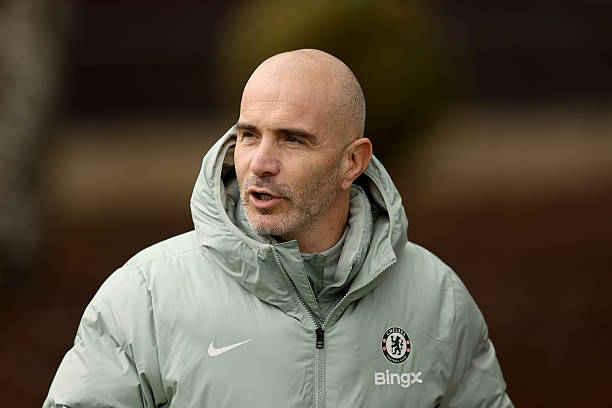
Since Enzo Maresca’s arrival, Chelsea’s progress has been steady but slow. Capable of troubling Europe’s elite one week, the Blues often stumble against more modest opposition. Why?
Because Maresca’s squad is built for transition football: pace, explosiveness on the wings, and lightning counters. The system thrives on high recoveries and fast breaks. Against Barcelona, Chelsea exploited their pressing traps perfectly—the second goal being the clearest example. Santos won the ball high up the pitch, and within three passes, Estevão had space to create and finished off a superb 2v1 situation.
But against low blocks—like Qarabag’s—Chelsea struggle to press effectively, with fewer errors to force and fewer passing lanes to jump on. Add to that the mental aspect: a young squad naturally more motivated for Arsenal or Barcelona than for Leeds or Bournemouth. Whether conscious or not, this team picks its battles.
Same target, different pressure
Both Atalanta and Chelsea enter this match with three wins apiece. A fourth would all but secure a place in the Champions League top eight.
For Atalanta, a victory would ease pressure and allow Palladino to focus on salvaging their Serie A season without facing two high-stakes matches in January.
For Chelsea, winning in Bergamo would avoid a dangerous “final” on January 28 in Naples.
X-Factors
Atalanta:

Ademola Lookman appears revitalized since Palladino took over. Starting every match, he looks sharp again after a turbulent summer and a difficult relationship with Jurić. At his best, Lookman is Atalanta’s most dangerous player, capable of beating defenders in tight spaces and creating chances from nothing.
Chelsea:
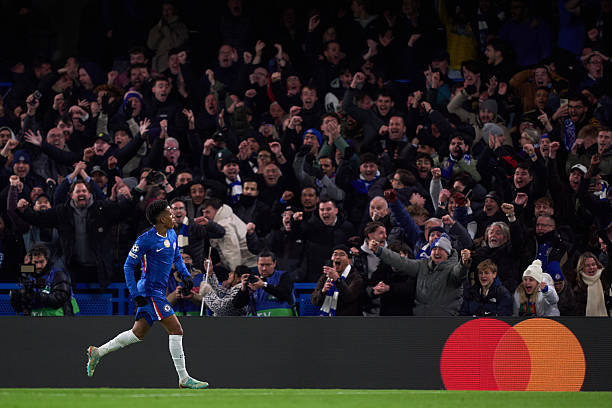
All eyes will be on Estevão. The Champions League’s top scorer, the Brazilian winger will be eager to bounce back after two quiet performances. Maresca has managed him intelligently, and European nights remain the stage where he shines brightest.