

At this AFCON 2025, the final matchup scheduled for Sunday afternoon comes as no surprise. Morocco and Senegal are the two best African teams, and in this preview we will look back at the trajectories of both teams between 2015 and this final.
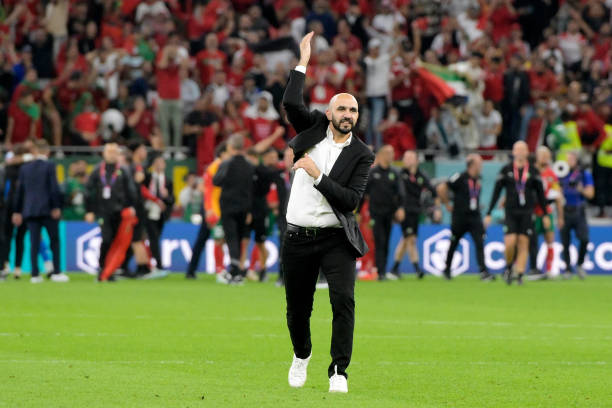
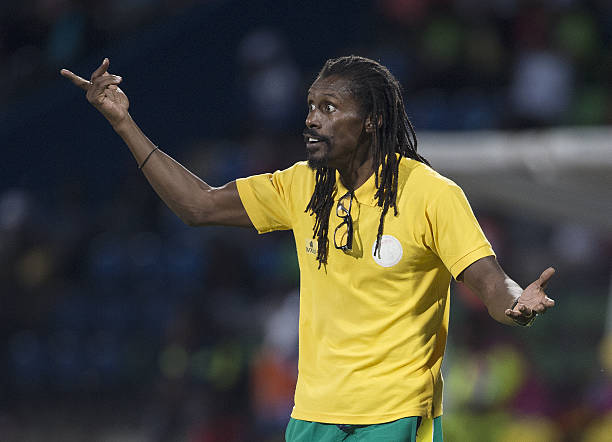
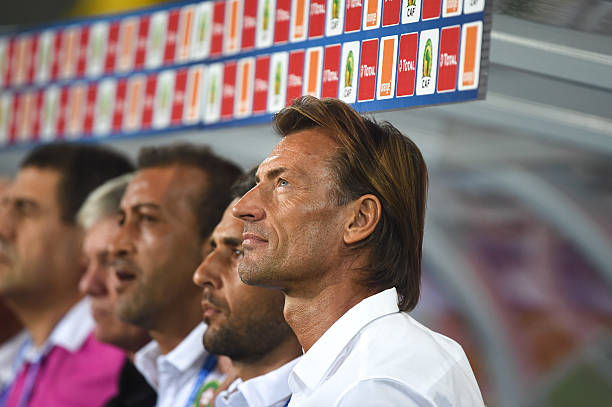
Hervé Renard and Aliou Cissé : architect of their nation revival
The 2015–2016 period saw several major upheavals at the head of the Senegalese and Moroccan national teams. At the end of a cycle, both federations decided to change coaches.
On the Moroccan side, the choice fell on Hervé Renard. A rational and sensible decision, as the French coach had won two AFCON titles with Zambia and Ivory Coast. Morocco gave itself a real chance to improve with a top-level coach.
In Senegal, Aliou Cissé was appointed to lead the Lions, and his competence quickly proved decisive in establishing Senegal among the continent’s elite.
At AFCON 2017, both teams impressed with an incisive, risk-taking style of play. Senegal controlled a group in which Tunisia and Algeria were considered favorites, while Morocco managed to defeat Ivory Coast. Unfortunately, both campaigns ended in the quarterfinals. Morocco were eliminated by Egypt, while Senegal lost on penalties to Cameroon. A cruel and symbolic outcome: the continent’s two rising forces fell to the veteran Egyptians and Cameroonians.
This did not halt the progress of either team, as both qualified brilliantly for the 2018 World Cup. In a tortuous format where only five of 55 nations earned a ticket to the World Cup, Senegal and Morocco showed real mastery. Senegal through their style of play, and Morocco through a solid defensive structure, both managed to disrupt the established hierarchy.
With Hervé Renard, Morocco found a true backbone, with players such as Bono, Saïss, and El Kaabi developing into key figures. Aliou Cissé built his team around stars like Gueye, Koulibaly, and above all Sadio Mané. Both coaches created a healthy performance environment, and the results spoke for themselves.
The similarities between the two teams were such that their group-stage exits at the 2018 World Cup almost felt logical. Morocco ran into the physicality of teams like Portugal and Iran, while Senegal were eliminated due to the accumulation of yellow cards.
For two years, the paths of both teams looked very similar, but their trajectories began to diverge somewhat starting with AFCON 2019. This would lead to strong decisions on the Moroccan side, giving the impression of stagnation.
2019-2021 : Sénégal progress, Morocco stagnate
AFCON 2019 reflected something that had happened within the Moroccan national team: something had broken between Hervé Renard and his group. This was evident in the decline in quality of play, as Morocco struggled against teams like Comoros, saw key players drop in form, and sensed the French coach’s desire to leave. Renard is known for not staying long in one place, and three years with the same team was already a first for him. The growing distance between the coach, the group, and the Moroccan public led to a dramatic round-of-16 elimination at AFCON 2019 against surprise package Benin.
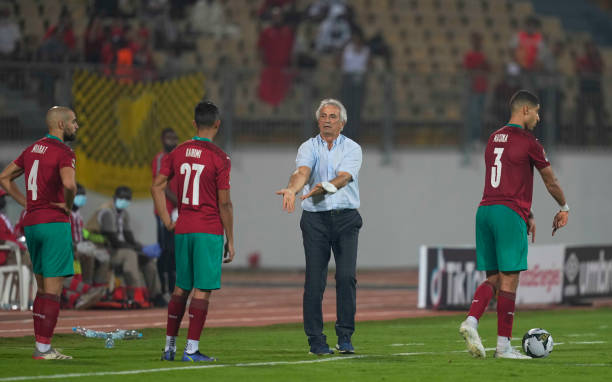
Morocco then embarked on a new cycle, and to revitalize the national team, the federation appointed Bosnian coach Vahid Halilhodžić. During his three-year tenure, the Bosnian coach successfully led Morocco through World Cup qualifying in impressive fashion. However, tensions with the squad quickly emerged. Extremely rigid, he sidelined star players such as Ziyech and Mazraoui, and relations deteriorated with a group that did not understand his methods or his coaching. Unfortunately, all of this became evident at AFCON 2021 in Cameroon. Egypt eliminated a Morocco side that had been considered a favorite and believed they had done the hard part by opening the scoring. But the Bosnian coach’s defensive approach ultimately crushed Morocco’s title ambitions, as they were punished by the Pharaohs.
At the same time, Senegal continued its steady rise under Aliou Cissé. The team progressed and moved closer to its ultimate quest: a first star. They came very close in 2019, when Senegal reached the final after a campaign that looked simple on paper but proved difficult on the field. Defeated by Algeria in the group stage, the Lions faced the Desert Warriors again in an explosive rematch. But the scenario is well known: an early Algerian goal followed by a defensive lock-down around the Algerian penalty area. The result was a massive disappointment for the Lions, 17 years after the dramatic final loss to Cameroon in Mali.
Also qualified for the 2022 World Cup, Senegal continued to improve under Aliou Cissé and, built around the backbone of Koulibaly, Mané, and Gueye, finally captured their AFCON title. As a powerful symbol, they defeated Egypt in the dreaded penalty shootout, in Cameroon, exactly 20 years after the first final in their history.
Morocco stagnated while Senegal progressed. Morocco were about to take a bold gamble. Following tensions between Halilhodžić and the federation, the Royal Moroccan Football Federation decided to appoint a young coach by the name of Walid Regragui.
2022- now : two mirrors team ?
When the 2022 World Cup began, if there was one African team people expected to go far, it was Senegal, given their status as reigning African champions. Yet it was Morocco who produced the surprise run to the semifinals that we all know. Under Walid Regragui, a strong group identity emerged, along with serious mental preparation. Morocco knew they would suffer, and suffer together, in this tournament. Every ego was perfectly managed, and the team had no complexes about playing to its strengths.
Moreover, the experience of the previous World Cup formed the foundation of this squad, which quickly showed its level: Ziyech, Hakimi, Saïss, Bono, and En-Nesyri were all present in 2018, and their improvement was clear. The run was symbolic: Belgium in the group stage, in a match charged with meaning given the strong Moroccan diaspora in Belgium; Spain in the round of 16; and Portugal in the quarterfinals, the two teams from the 2018 group that had eliminated Morocco. Morocco made history by becoming the first African nation to reach the semifinals, where they eventually lost to France.
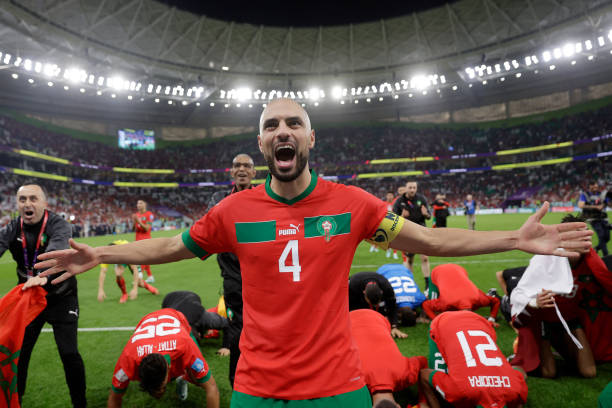
Between Morocco’s run and Senegal’s, one thing links the two teams: both successfully made it out of the group stage. While Senegal were eliminated earlier by England, they still navigated the group phase convincingly.
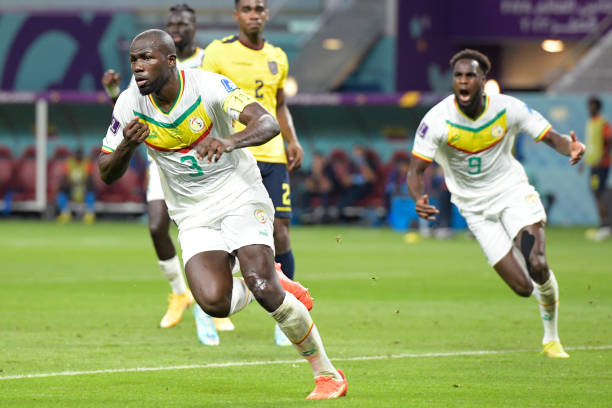
The two dynamics would once again converge at AFCON 2023, where the same outcome occurred: round-of-16 eliminations after both teams dominated their respective groups with three wins.
Morocco vs Senegal, a final between two teams with remarkably similar trajectories—but tonight, one of them will gain the upper hand.