

For years, Ligue 1 has carried an uncomfortable label in European football: the weak link among the top five leagues. Often mocked, rarely celebrated, and constantly compared unfavorably to the Premier League, La Liga, Serie A, and the Bundesliga, the French championship seems trapped in a reputation that refuses to evolve.
Yet, season after season, Ligue 1 continues to produce some of the most exciting players in world football. From Ballon d’Or winners to Champions League stars, France’s domestic league quietly fuels Europe’s elite. This raises a simple question:
Is Ligue 1 truly a weak league, or is it simply misunderstood and undervalued?
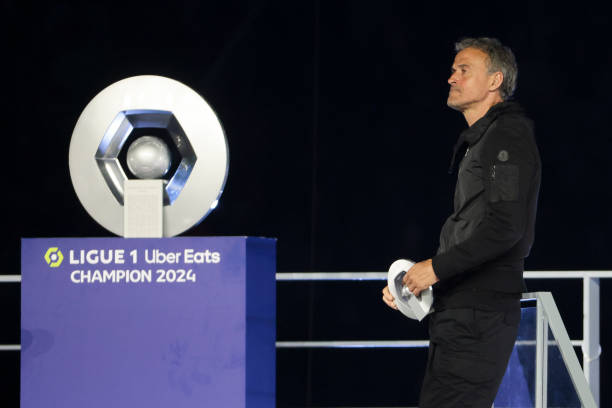
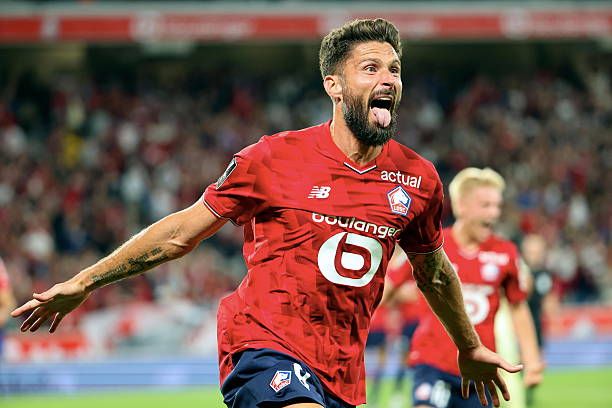
A reputation built on comparisons
When discussing Europe’s “Big Five,” Ligue 1 is almost always placed fifth. The reasons appear obvious at first glance:
- Fewer international superstars
- Lower TV revenues
- Less global media exposure
- Predictable domestic dominance, largely by Paris Saint-Germain
In the age of highlights, social media virality, and global broadcasting, Ligue 1 struggles to compete with the spectacle of the Premier League or the historic prestige of La Liga. Matches are less promoted, stadiums are smaller, and international narratives often ignore French clubs unless PSG are involved.
But reputation is not performance, and popularity is not quality.
Paris Saint-Germain: a blessing and a curse
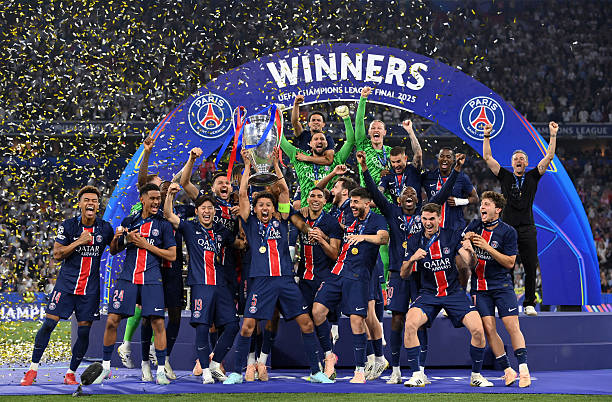
PSG’s dominance is often cited as proof of Ligue 1’s lack of competitiveness. With state-backed resources, the Parisian club has won the majority of league titles over the past decade, frequently with a large points gap.
However, this argument oversimplifies reality.
While PSG’s supremacy affects the title race, it does not accurately reflect the overall level of the league. Below the top spot, Ligue 1 is often fiercely competitive, with European qualification spots contested until the final weeks of the season. Clubs like Lille, Monaco, Marseille, Lyon, Nice, and Rennes regularly challenge PSG domestically and perform credibly in European competitions.
Ironically, PSG’s global focus may even overshadow the rest of the league, reinforcing the idea that Ligue 1 exists only as a backdrop to Paris, a narrative that does little justice to its depth.
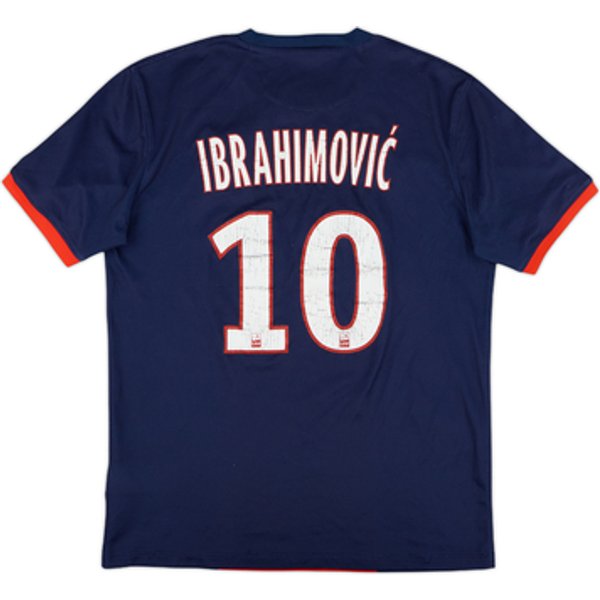
Europe’s premier talent factory
If Ligue 1 has one undeniable strength, it is player development.
France possesses one of the most efficient youth systems in the world, supported by:
- A strong national training structure
- Elite academies
- A cultural emphasis on athleticism, technique, and adaptability
The result is striking.
Many of Europe’s biggest stars either emerged from Ligue 1 or were shaped there before exploding elsewhere:
- Thierry Henry
- Karim Benzema
- N’Golo Kanté
- Kylian Mbappé
- Aurélien Tchouaméni
- Eduardo Camavinga
These players did not appear overnight. They were forged in Ligue 1, trusted at a young age, and exposed to top-flight football early in their careers.
Unlike other leagues that rely heavily on established stars, French clubs often act as launchpads, prioritizing development over short-term success.
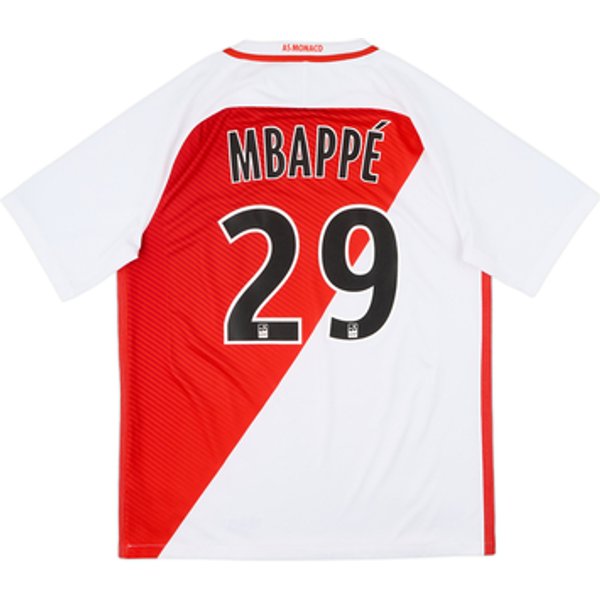
A league that trusts youth
One of Ligue 1’s most underrated qualities is its willingness to give young players real responsibility.
While some leagues hesitate to field teenagers in high-pressure environments, Ligue 1 regularly hands starting roles to players aged 17 to 20. This accelerates development and produces footballers who are tactically flexible, mentally resilient, and physically prepared.
This trust in youth explains why Ligue 1 exports players so effectively. By the time French prospects move abroad, they are often already experienced professionals rather than raw talents.
Critics may interpret this constant selling as weakness. In reality, it reflects a structural choice shaped by economic realities.
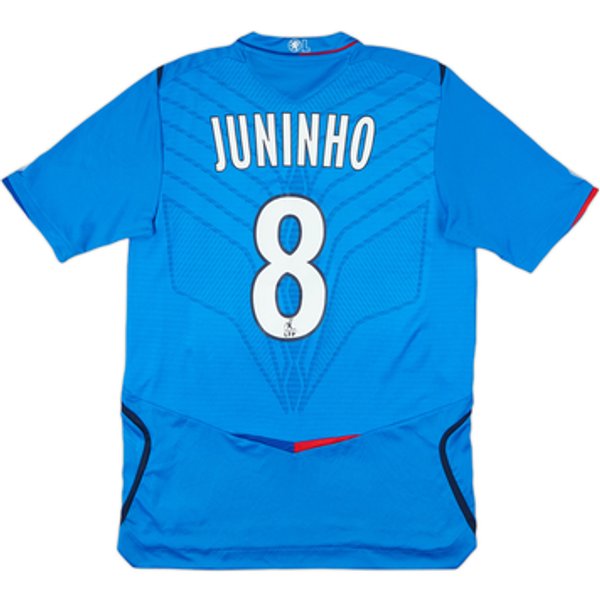
Financial reality: surviving without excess
Unlike the Premier League, Ligue 1 does not benefit from colossal TV deals. French clubs operate under tighter budgets, forcing them to be:
- Smarter in recruitment
- More reliant on academies
- More disciplined financially
This has created a sustainable, if less glamorous, ecosystem.
Selling players is a survival strategy, not a failure. And it works. Ligue 1 clubs consistently generate significant transfer profits while remaining competitive domestically and, at times, in Europe.
In contrast, several historic clubs across Europe face financial instability, debt crises, or sanctions. Ligue 1’s relative caution may actually represent a healthier long-term model.
European performances: better than you think
Another persistent myth is that French clubs “always fail in Europe.” While Ligue 1 has not dominated continental competitions, its performances are often more respectable than public perception suggests.
In recent years:
- PSG won a Champions League and reached a first final final back in 2020 and multiple semifinals
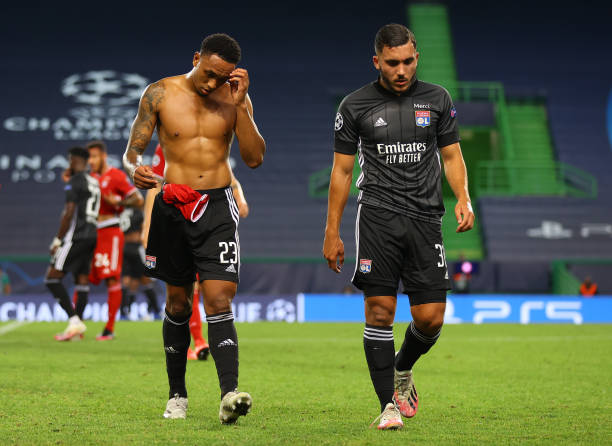
- Lyon reached a Champions League semifinal
- Marseille and other clubs have made deep Europa League runs
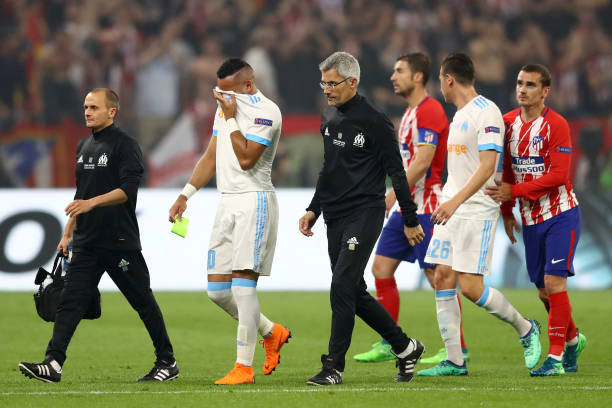
French teams may lack consistency at the very top, but they are rarely outclassed. More often, they fall victim to experience gaps, squad depth issues, or financial mismatches rather than inferior footballing quality.
Tactical diversity and physical intensity
Ligue 1 is often described as overly physical or too tactical, a criticism that misses the point.
The league offers a unique blend:
- Physical duels and athletic intensity
- Tactical experimentation
- Technical creativity, particularly from young attackers
This diversity makes Ligue 1 a demanding environment. Players must adapt quickly, defend aggressively, and think tactically. It is no coincidence that many Ligue 1 exports thrive in more intense leagues after their move.
In many ways, Ligue 1 prepares players for modern football better than leagues that prioritize possession or entertainment alone.
The image problem
If Ligue 1 has a major weakness, it is not on the pitch but in its branding.
Poor international marketing, inconsistent broadcasting strategies, and limited storytelling have damaged the league’s image. Casual fans see Ligue 1 as:
- A “selling league”
- A one-team competition
- A stepping stone, not a destination
These perceptions persist even as evidence contradicts them.
Improving visibility, promoting rivalries, and highlighting narratives beyond PSG are essential steps if Ligue 1 wants to redefine itself on the global stage.
Weak league or misjudged identity?
Calling Ligue 1 “weak” often says more about expectations than reality.
If strength is defined by:
- Entertainment value
- Star power
- Global reach
Then Ligue 1 will always struggle to compete.
But if strength is measured by:
- Talent production
- Youth development
- Tactical education
- Financial sustainability
Then Ligue 1 stands among Europe’s best.
It is not designed to be flashy. It is designed to produce.
Conclusion: a league that deserves more respect
Ligue 1 may never rival the Premier League’s commercial empire or La Liga’s historical romance. But dismissing it as inferior ignores its true role in European football.
It builds players rather than brands, trusts youth over reputation, and exports excellence that others often end up taking credit for.
Rather than asking why Ligue 1 cannot keep its stars, perhaps the better question is this:
Where would European football be without Ligue 1?
The answer suggests a league far more essential, and far stronger, than its reputation allows.
 Lyon
Lyon Marseille
 Paris Saint Germain