

In the world of international soccer, the FIFA World Cup is the ultimate proving ground, a high-stakes arena where the hierarchy of nations is usually dictated by decades of tradition, massive infrastructure, and elite scouting. For the better part of a century, the trophy has rarely left the hands of a select group of “Blue Bloods” like Brazil, Germany, Italy, or Argentina.
However, every few decades, the script is flipped. A team enters the tournament as a mere footnote and leaves as a legend. These are not just “upsets”; these are “exploits”, sustained, deep runs into the knockout stages that defied logic and changed the geopolitical landscape of the sport.
Here are the five greatest underdog runs in World Cup history, ranked by their impact, the quality of their opposition, and the sheer audacity of their performance.
1. Morocco (2022) : the Atlas Lions break the glass ceiling
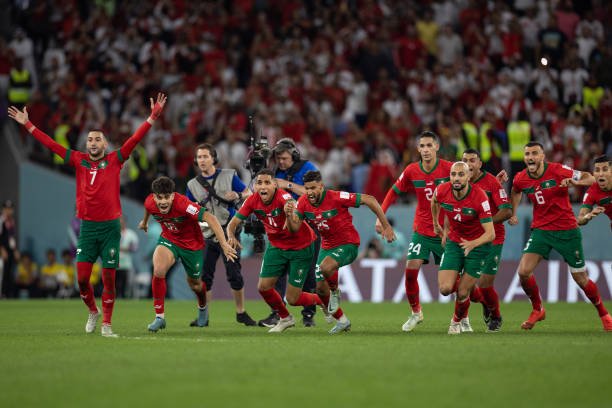
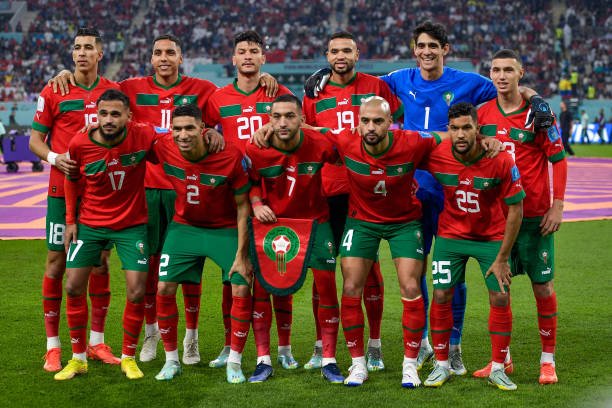
Before December 2022, no African or Arab nation had ever reached a World Cup semifinal. For decades, the “quarterfinal curse” had claimed legends like Cameroon, Senegal, and Ghana. Then came Walid Regragui’s Morocco.
The Context:
Morocco arrived in Qatar with a new manager appointed just months before kickoff. They were drawn into “The Group of Death” alongside 2018 finalists Croatia and the world’s #2 ranked team, Belgium. On paper, Morocco was expected to fight for a respectable third-place finish.
The Run:
The Atlas Lions didn’t just survive their group; they won it. They suffocated Belgium 2-0 and held Croatia to a tactical stalemate. In the Round of 16, they faced a Spanish side that attempted over 1,000 passes, only to find Morocco’s defense an impenetrable wall. After 120 minutes of discipline, Morocco won on penalties. In the quarterfinals, they faced Cristiano Ronaldo’s Portugal, winning 1-0 with a gravity-defying header from Youssef En-Nesyri.
The Legacy:
Morocco’s run was built on a defensive masterclass; they did not concede a single goal to an opponent until the semifinals (the only goal against them was an own goal). They proved that tactical discipline and collective spirit could neutralize the world’s most expensive rosters, forever shattering the psychological barrier for African football.
2. Bulgaria (1994) : the summer of Stoichkov
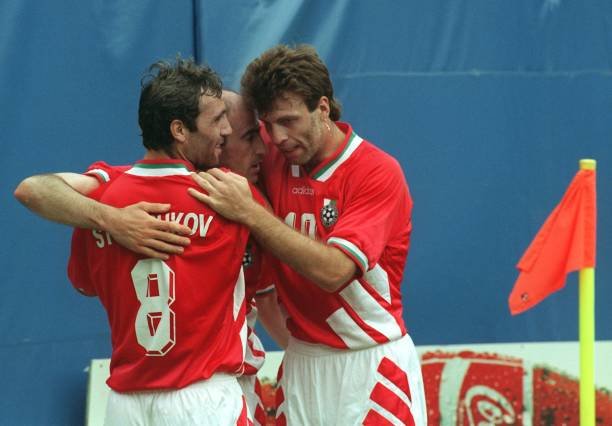
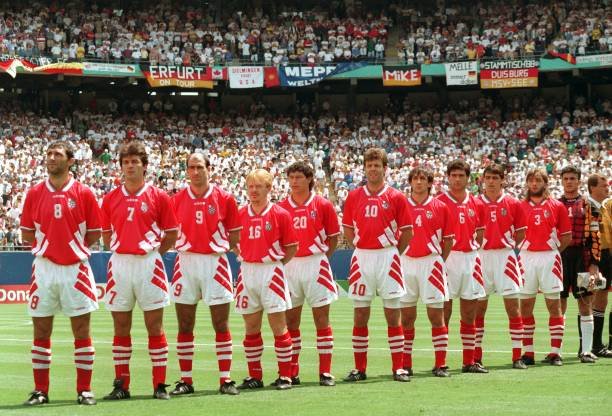
The 1994 World Cup held in the United States was supposed to be the coronation of the established powers, but Bulgaria had other plans. Before the ’94 tournament, Bulgaria had played 16 World Cup matches over several decades and had never won a single game.
The Context:
Led by the fiery and brilliant Hristo Stoichkov, Bulgaria entered the tournament as an aging squad with a history of underperformance. After a demoralizing 3-0 loss to Nigeria in their opening game, it looked like more of the same.
The Run:
Bulgaria caught fire in the Texas heat. They crushed Greece and then shocked a Maradona-less Argentina 2-0 to advance. After scraping past Mexico in a penalty shootout in the Round of 16, they faced the ultimate test: the defending champions, Germany. In one of the most dramatic three-minute spans in history, Stoichkov and Yordan Letchkov scored two late goals to knock out the German machine (2-1).
The Result:
Bulgaria finished 4th in the world, and Stoichkov took home the Golden Boot as the tournament’s top scorer. It remains the greatest sporting achievement in the nation’s history, proving that one generation of world-class talent can elevate a “small” country to global prominence.
3. Cameroon (1990) : the indomitable Lions and the birth of modern African soccer
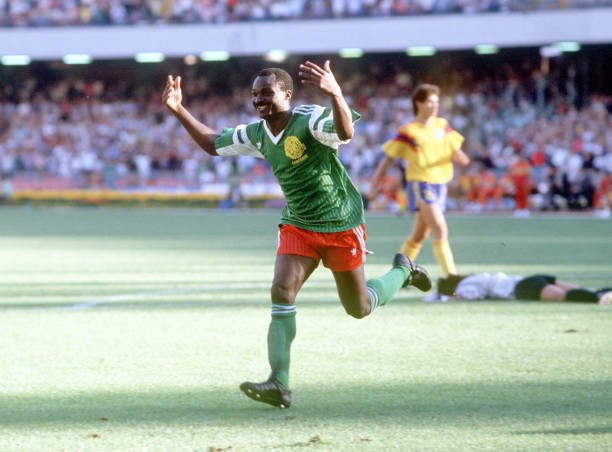
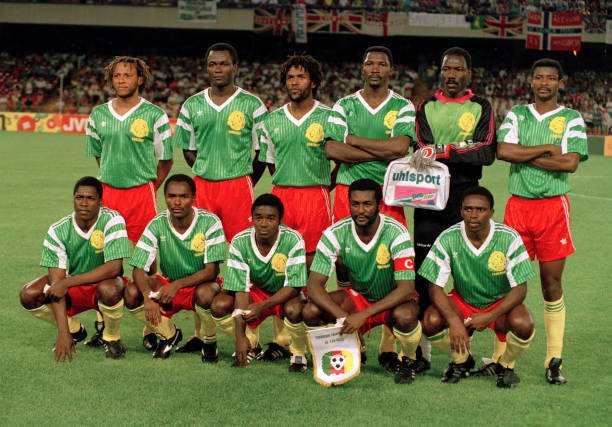
Before 1990, African teams were often patronized as “talented but disorganized.” Cameroon, led by a 38-year-old Roger Milla who had been coaxed out of retirement by the country’s president, changed that narrative in a single summer in Italy.
The Context:
Cameroon opened the tournament against Diego Maradona’s Argentina—the defending world champions. No one gave the Africans a chance.
The Run:
Despite being reduced to nine men due to red cards, Cameroon stunned Argentina 1-0. It wasn’t a fluke. They went on to win their group and defeated Colombia in the Round of 16, with Milla famously dancing at the corner flag after his goals.
In the quarterfinals, they pushed England to the absolute brink. Cameroon led 2-1 with eight minutes to go, playing a brand of fearless, physical, and attacking soccer that captivated the world. Although England eventually won 3-2 in extra time via two Gary Lineker penalties, Cameroon had won the hearts of the globe. Their success was the direct catalyst for FIFA increasing the number of World Cup slots for African nations.
4. Croatia (1998) : a nation born on the pitch
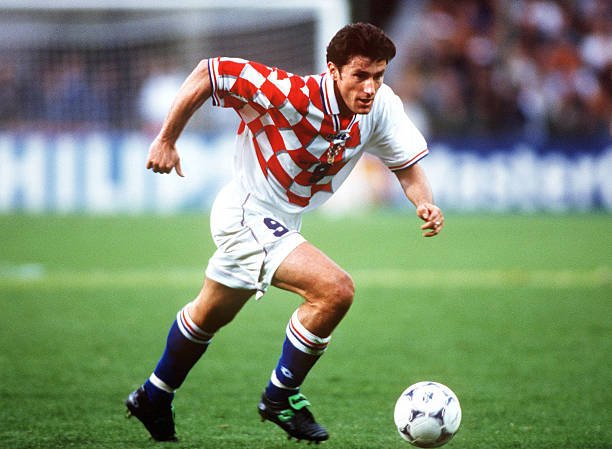
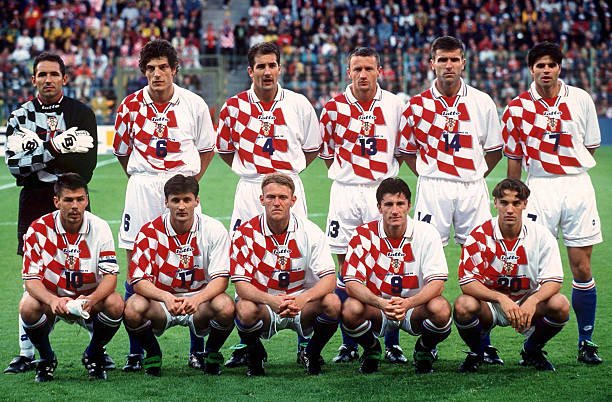
The 1998 World Cup in France saw the debut of a nation that had only existed as an independent state for seven years. Following the bloody breakup of Yugoslavia, the Croatian team carried the weight of a new national identity on their jerseys.
The Context:
While the roster featured stars like Davor Šuker and Zvonimir Boban, few expected a debutant nation to challenge the established order of Western Europe and South America.
The Run:
Croatia’s path was a surgical destruction of giants. The peak of their exploit came in the quarterfinals, where they faced Germany—the reigning European champions and a perennial powerhouse. Croatia didn’t just win; they humiliated the Germans 3-0.
They eventually fell to the hosts, France, in the semifinals (after taking the lead), but they secured 3rd place by beating the Netherlands. This run established Croatia as a permanent “dark horse” in international football, a reputation they cemented by reaching the final 20 years later in 2018.
5. South Korea (2002) : the Red Devils’ home heroics
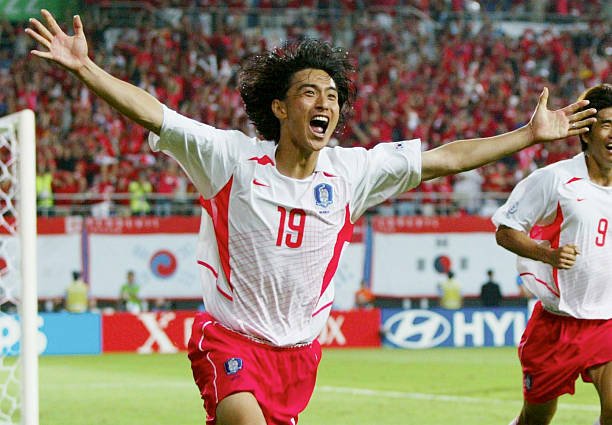
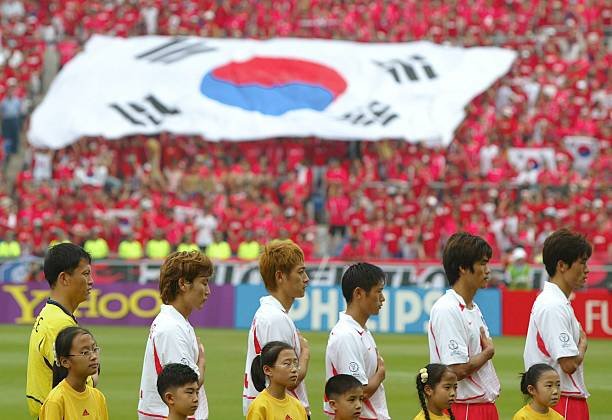
The 2002 World Cup, co-hosted by South Korea and Japan, produced a run so improbable it still sparks heated debates in sports bars across Europe today.
The Context:
South Korea had never won a single World Cup game in five previous appearances. Under Dutch manager Guus Hiddink, they underwent a brutal physical training regime designed to outrun every opponent.
The Run:
Fueled by a “Sea of Red” in the stands, South Korea topped a group featuring Portugal, Poland, and the USA. In the knockout rounds, they entered a gauntlet of European royalty. They knocked out Italy in the Round of 16 with a dramatic “Golden Goal” by Ahn Jung-hwan, then dispatched Spain on penalties in the quarterfinals.
The Legacy:
While the run was controversial due to several questionable refereeing decisions that favored the hosts, the physical output of the Korean players was undeniable. They became the first Asian team to reach a semifinal, proving that with home-field advantage and world-class conditioning, the gap between the “established” and the “emerging” could be closed.
Summary table : the underdog Hall of Fame
| Team | Year | Best Finish | Giant Slain |
| Morocco | 2022 | 4th Place | Spain, Portugal, Belgium |
| Bulgaria | 1994 | 4th Place | Germany, Argentina |
| Cameroon | 1990 | Quarterfinals | Argentina |
| Croatia | 1998 | 3rd Place | Germany, Netherlands |
| South Korea | 2002 | 4th Place | Italy, Spain, Portugal |