

Africa’s historic 2026 FIFA World Cup will rightly be remembered for its unprecedented collective success. Nine of the continent’s ten representatives reached the knockout stages, shattering previous records and confirming that the gap with the traditional powers continues to narrow.
Yet for Senegal, Ivory Coast, and Algeria, the tournament ultimately ended in frustration. Each nation exited with a different narrative—one signaling the end of a golden generation, another highlighting a promising project still under construction, and the last forcing uncomfortable questions about its future.
Senegal : end of a golden era ?
Senegal arrived in North America carrying genuine expectations.

Fresh off another Africa Cup of Nations triumph and boasting one of the continent’s deepest squads, the Lions of Teranga looked capable of making another deep World Cup run. Instead, they leave with the overwhelming feeling that a major opportunity slipped through their fingers.
The group stage suggested otherwise.
A hard-earned draw against France demonstrated their defensive organization and competitive edge before a stunning 5-0 demolition of Iraq—the highest-scoring victory ever recorded by an African nation at a FIFA World Cup—served as a reminder of the team’s enormous potential. Suddenly, Senegal looked every bit like a side capable of challenging the world’s elite.
That promise never materialized.
Their Round of 16 exit perfectly encapsulated the contradictions that have followed this team over the past two years. Holding the lead and seemingly in control, Senegal collapsed during the closing stages, conceding late and joining the growing list of African nations punished after the 86th minute at this World Cup.
It was a cruel ending, but not necessarily an unexpected one.
For months, questions had surrounded the team’s evolution. The defensive solidity that once defined Senegal had become less consistent, the attacking play often relied on moments of individual brilliance rather than collective fluency, and several key veterans no longer appeared capable of sustaining the relentless physical intensity that had characterized the team’s peak.
Those underlying issues finally caught up with them on the biggest stage.
Now, the focus shifts toward an inevitable transition.
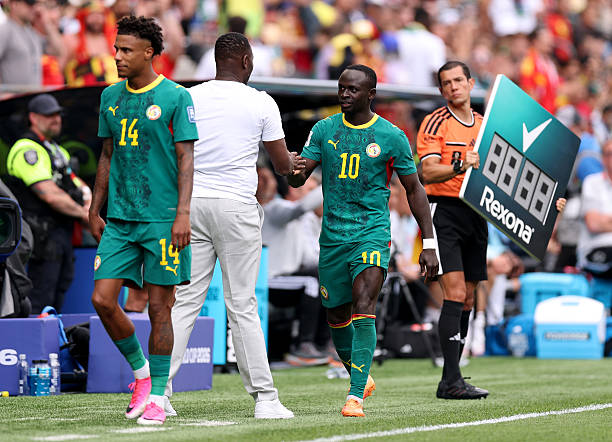
Icons such as Sadio Mané, Kalidou Koulibaly, and Idrissa Gana Gueye are approaching the twilight of their international careers. Together, they transformed Senegal from a respected African power into one of the continent’s global standard-bearers, winning the Africa Cup of Nations and consistently competing at the highest level.
Replacing that leadership will be an enormous challenge.
Questions also surround head coach Pape Thiaw, whose future appears increasingly uncertain after an elimination many observers considered the logical consequence of a team struggling to renew itself.
This World Cup may ultimately be remembered less for Senegal’s failure than for marking the conclusion of one of African football’s finest generations.
Ivory Coast : progress that still needs one final step
Senegal leaves wondering what went wrong, Ivory Coast departs believing its best days are still ahead.
For Emerse Faé, this World Cup represented another significant milestone in a remarkable managerial rise.
The Elephants confirmed that their triumph at the 2024 Africa Cup of Nations was no accident. Throughout the tournament, they displayed technical quality, athleticism, tactical flexibility, and a confidence that has gradually returned since Faé took charge.
The knockout defeat against Norway was therefore particularly painful.
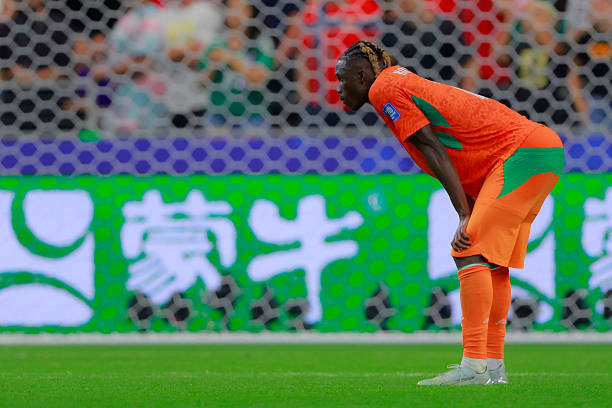
After fighting back into the match and appearing to seize momentum, Ivory Coast once again fell victim to one of the defining themes of this World Cup for African teams: conceding decisive goals during the closing moments.
Like several of the continent’s representatives, the Elephants paid dearly for a brief lapse in concentration.
The disappointment is understandable because this team showed it could compete with Europe’s established nations for long stretches.
Unlike previous generations that often relied heavily on individual stars, this squad looks increasingly balanced. Young talent has blended naturally with experienced leaders, creating a team capable of controlling possession, pressing aggressively, and adapting to different opponents.
That evolution is perhaps the tournament’s biggest takeaway.
Still, one final ingredient remains missing.
The difference between good international teams and genuine contenders is often measured not in talent but in emotional control during decisive moments. Ivory Coast repeatedly demonstrated they belonged on this stage, yet failed to close out matches when margins became razor thin.
Those lessons cannot be taught overnight.
However, they are precisely the experiences that often transform talented squads into championship-caliber teams.
Rather than signaling failure, this World Cup feels like another step in the maturation of a project that continues to move in the right direction.
With Emerse Faé remaining at the helm and a young core entering its prime, Ivory Coast appears well positioned to become one of Africa’s leading contenders over the next cycle.
Algeria : a painful exit that raises difficult questions
No African nation leaves this World Cup facing more uncertainty than Algeria.
The Desert Foxes entered the knockout rounds believing they possessed the experience and quality to reach the quarterfinals.
Instead, they produced a flat and uninspiring performance in a 2-0 defeat to Switzerland that immediately triggered widespread criticism back home.
Much of that scrutiny has focused on head coach Vladimir Petković.
His tactical choices, squad management, and inability to find solutions against organized opposition have all come under intense examination. While some voices argue that stability remains essential ahead of the next Africa Cup of Nations and the 2030 World Cup cycle, others believe Algeria needs a new direction before valuable time is lost.
The debate has become impossible to ignore.
Yet the tournament’s defining moment came after the final whistle.
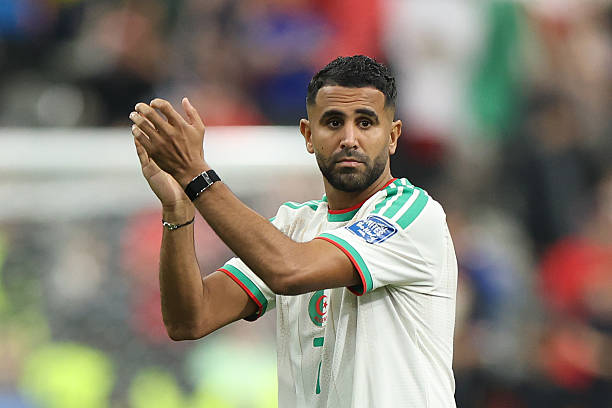
Captain Riyad Mahrez announced his retirement from international football, bringing an extraordinary chapter in Algerian football history to a close.
More than simply one of the nation’s greatest players, Mahrez became the face of modern Algerian football.
His creativity, leadership, and unforgettable performances helped deliver the country’s historic 2019 Africa Cup of Nations title while inspiring an entire generation of supporters.
Even amid the disappointment of elimination, Algerian media unanimously celebrated his remarkable international career.
Replacing a player of Mahrez’s stature extends far beyond finding another gifted winger.
His influence in the dressing room, his composure during high-pressure matches, and his ability to change games with a single moment of brilliance cannot easily be replicated.
Still, Algeria’s future is not without hope.
The squad contains a promising blend of experienced internationals and emerging young talent capable of forming the foundation of the next cycle. The challenge now lies in successfully navigating the post-Mahrez era while determining whether Petković remains the right man to oversee that transition.
For Algeria, this World Cup may ultimately be remembered less for the defeat to Switzerland than for symbolizing the end of one era and the uncertain beginning of another.