

Three days after a 2-0 defeat at Chelsea that extended their miserable domestic run, Manchester United host AS Roma at Old Trafford in the fourth matchday of the UEFA Champions League league phase. That Chelsea result was United’s third loss in four matches, and Michael Carrick’s side sits 21st in the Champions League standings with just three points from three games. Into that unsettled environment steps Paulo Dybala, Roma’s creative fulcrum, who arrives with genuine confidence after a 5-2 win at Udinese last weekend. For the Argentine, a stage like Old Trafford is exactly the kind of occasion he has always thrived on.
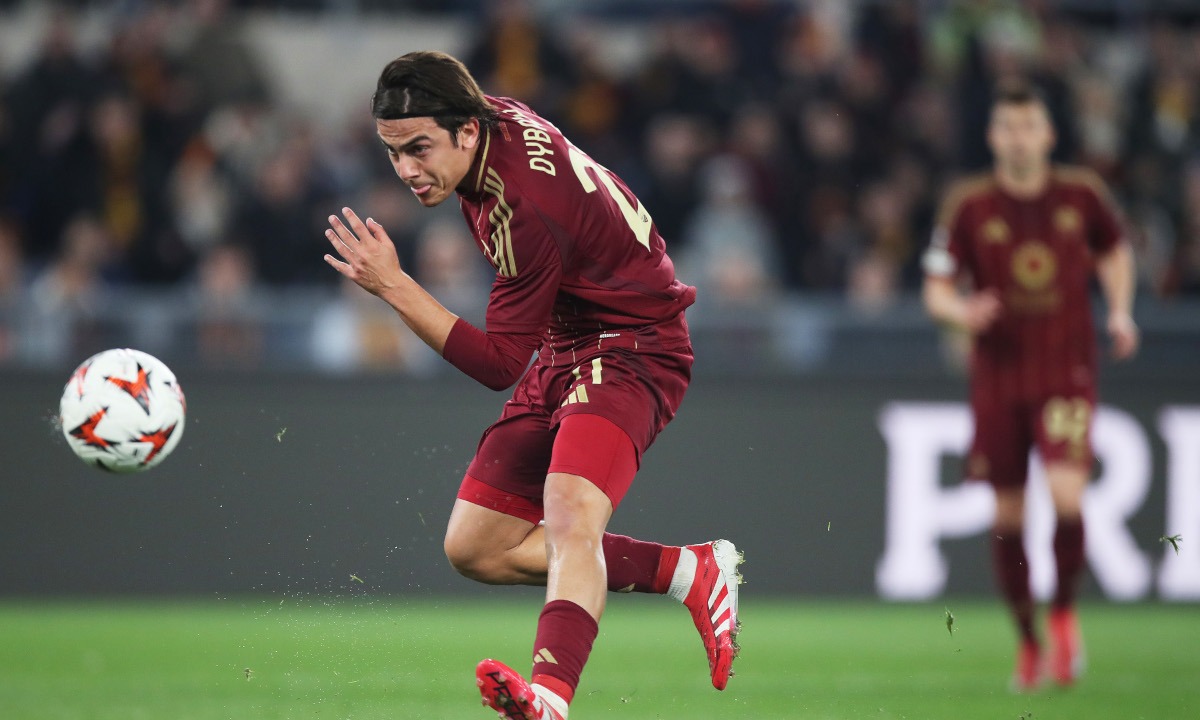
Dybala’s recent form
Gian Piero Gasperini’s Roma have been one of the more entertaining sides in the Champions League group phase so far, scoring eight goals in three matches and drawing a 4-0 result against Slovan Bratislava at home. Dybala sits at the center of that attacking output, operating in the half-spaces between Roma’s midfield and attack where he can receive on the turn, drive at defenders, and produce the sharp through-balls that Gasperini’s system demands. In Serie A, Roma have won three of their last five, including back-to-back victories over Cagliari (4-2) and Udinese (5-2), giving the squad a confident feel heading into a difficult away fixture.
In Gasperini’s setup, Dybala functions as a second striker or a free-roaming No.10, given license to drift wide and find pockets rather than hold a fixed position. That flexibility makes him hard to pin down for a defensive unit that has already conceded six goals in three Champions League matches.
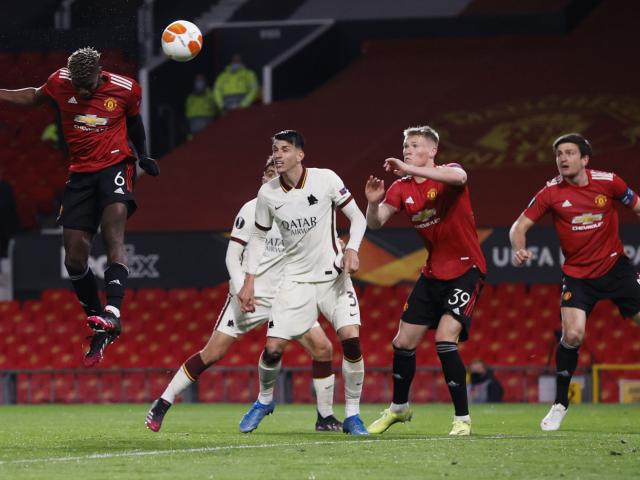
The tactical matchup
United’s defensive record in European competition this season tells its own story: six goals conceded in three matches, with losses to Atletico Madrid (0-2) and Como (1-4). Lisandro Martinez and Matthijs de Ligt are the available center-back options, but neither has been able to stabilize a backline that has leaked consistently. Dybala’s movement between lines is the type of problem that drags central defenders out of position, and if he can receive in those gaps, United’s holding midfielders, likely Manuel Ugarte and one of Kobbie Mainoo or Carlos Baleba, will need to track him aggressively.
United’s last five results show four defeats and one draw, and the attacking transitions that exposed them against Chelsea will likely be on Gasperini’s scouting report. Roma’s wide options, including Deyovaisio Rensch on the right and Matias Soule as a creative alternative, can stretch United’s shape and create the exact room Dybala prefers to operate in centrally.
What’s at stake for him
Dybala has had a complicated relationship with the biggest European nights. Injuries and inconsistency have at times kept him from stringing together runs of top-level Champions League performances. This season, with Roma under a manager in Gasperini who has rebuilt his Serie A reputation and now testing himself at European level with this squad, Dybala has a platform he has not always had. A strong display at Old Trafford, one of European football’s most recognizable venues, would underline his continued relevance at the highest level. Roma are at 15th in the Champions League table with four points and are still in contention for a direct top-16 place. A result here could push them into a stronger position, and Dybala would be central to any positive outcome.
Key Stats
Match Context
Standings
Head To Head
Our Prediction
United’s defensive fragility and the momentum Roma carry from consecutive Serie A wins set up a match where Dybala can have a real impact. If he finds space between United’s lines, which he has shown repeatedly this season he is capable of exploiting, expect at least one decisive contribution. Roma to take something from Old Trafford, with Dybala the likeliest figure to make it happen.