

Chelsea are in trouble. There is no point pretending otherwise. Four defeats in their last five Premier League matches, a humiliating 4-1 home loss to Leeds United and another damaging setback against Nottingham Forest have transformed the atmosphere around Stamford Bridge. Xabi Alonso, appointed to restore direction and ambition to a club that has spent years searching for stability, is already facing questions about his future. The criticism is understandable. Chelsea are eighth in the Premier League, their performances have become increasingly difficult to defend, and the identity Alonso was supposed to establish remains frustratingly difficult to recognize. But there is one question that deserves to be asked before the inevitable calls for another managerial change become louder: what exactly would Chelsea achieve by sacking him now?
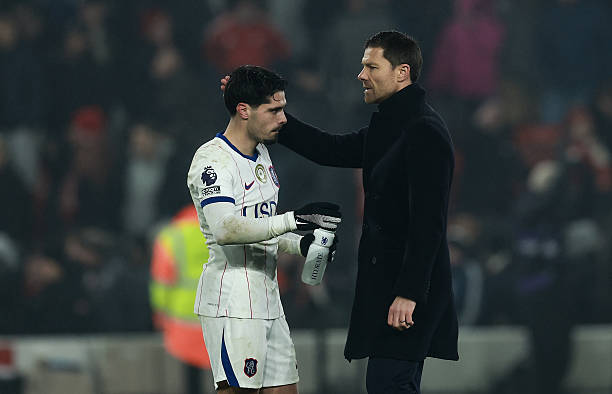
The reaction to the 3-2 defeat against Nottingham Forest on November 28 was predictable. Supporters are frustrated, pundits are questioning the manager’s decisions, and the British media are already discussing the possibility of his departure. Wesley Fofana’s selection ahead of Levi Colwill became another source of controversy after the French defender endured a difficult evening, conceding a penalty and struggling to deal with Forest’s attacking pressure. Jamie Redknapp was particularly critical of Alonso’s decision, arguing that Colwill would have provided better balance to the defense. These are legitimate questions about the manager’s judgment, and Alonso should not be exempt from criticism simply because he has a prestigious reputation.
Yet focusing exclusively on individual selection decisions misses the bigger picture. Chelsea’s problems are structural, and they existed long before the Spanish coach arrived. Since the ownership transition in 2022, the club has experienced an extraordinary turnover of players, managers and sporting strategies. Expensive recruitment campaigns have produced an enormous squad without necessarily creating a coherent team. Managers have been expected to deliver immediate results while simultaneously developing young players, implementing new tactical ideas and navigating a recruitment structure that has often appeared disconnected from the realities of the football pitch. This is not an environment in which stability comes naturally.
Chelsea’s problem is bigger than coaches

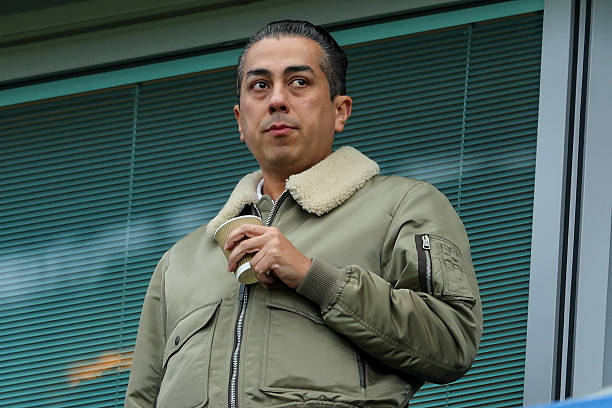
The numbers are particularly revealing. Since Todd Boehly and the American-led ownership group took control of Chelsea, the average managerial tenure has been remarkably short. As Eurosport highlighted, the club’s managerial cycle has become so unstable that the average time in charge since May 2022 has been approximately six months. That figure should be deeply concerning for anyone who genuinely wants Chelsea to return to the top of English and European soccer. A club cannot constantly demand a new identity while repeatedly removing the people responsible for implementing it.
Alonso’s appointment was supposed to represent a change in direction. His work at Bayer Leverkusen had demonstrated his ability to build a coherent tactical structure, develop players and transform a team into a serious competitive force. His historic 2023-24 Bundesliga campaign was not simply the product of individual talent. It reflected a clearly defined footballing philosophy, collective discipline and an ability to make players understand their roles within a demanding system. Chelsea hired him because they believed he could bring those qualities to Stamford Bridge. It would be absurd to suggest that four months should automatically be enough to reproduce that transformation in a completely different environment.
Of course, the current performances are unacceptable. Chelsea have looked vulnerable defensively, struggled to control matches and repeatedly lost their composure after conceding. The defeats against Tottenham, Sunderland, Leeds and Nottingham Forest have exposed weaknesses that Alonso must address quickly. The criticism that his playing identity remains difficult to identify is also legitimate. After several months in charge, supporters are entitled to see clearer tactical principles, better coordination between the lines and more convincing performances. Patience cannot become an excuse for stagnation.
But context matters. Chelsea have been dealing with injuries to important players, including Reece James, João Pedro and Moisés Caicedo, while Cole Palmer has struggled to maintain consistent fitness and form. These absences have complicated Alonso’s ability to establish a settled team. The constant adjustments to his starting lineup have also made it harder to develop the automatisms that distinguish a coherent side from a collection of talented individuals. A manager cannot build consistency when the foundations of his team are repeatedly changing.
There is also a broader issue concerning Chelsea’s recruitment strategy. The club has invested enormous sums in assembling a young squad, but financial expenditure alone does not guarantee sporting maturity. Young players need experienced leadership, clear tactical instructions and an environment in which mistakes are treated as part of the development process rather than immediate grounds for public condemnation. Chelsea have often appeared to confuse potential with readiness, assembling talented individuals without always providing them with the conditions required to become a functioning collective.
Sacking Alonso would not resolve those contradictions. It would simply transfer responsibility to another manager, who would inherit the same squad, the same recruitment structure and the same institutional expectations. The new appointment would inevitably be presented as the beginning of another project, accompanied by promises of a fresh tactical identity and renewed ambition. Then, if results failed to improve immediately, the same cycle would begin again. Chelsea cannot seriously claim to be building a long-term sporting project while treating managerial appointments as disposable experiments.
There is a particularly important lesson in the club’s own history. In 2016, Chelsea appointed Antonio Conte after finishing 10th in the Premier League. The Italian needed time to understand his squad, identify its weaknesses and establish a new tactical structure. Once his 3-4-3 system took hold, Chelsea transformed into an exceptionally dominant team and won the Premier League title in 2016-17. That transformation was not achieved through another managerial dismissal. It came from allowing a coach to implement his ideas and giving the team the opportunity to develop collective understanding. The circumstances are not identical, but the principle remains relevant: a disappointing starting point does not automatically determine the eventual outcome of a project.
Alonso must also be judged on his ability to adapt. His reputation cannot protect him indefinitely, and his tactical decisions deserve rigorous examination. He needs to restore defensive organization, improve the team’s response to setbacks and find a way to get the best out of players such as Palmer and Morgan Rogers. The attacking structure must become more fluid, while the midfield needs to provide greater control and protection. Most importantly, Chelsea must stop looking like a team waiting for something to go wrong.
However, responsibility cannot rest entirely on the manager. The ownership and sporting leadership must also accept their share of accountability. If Chelsea genuinely believe Alonso is the right person to lead the project, they must demonstrate that conviction through consistent support rather than allowing every poor result to trigger speculation about his replacement. That means establishing a clear sporting strategy, maintaining coherence in recruitment and resisting the temptation to react emotionally to short-term setbacks.
The club’s supporters have every right to demand more. Stamford Bridge is not a place where mediocrity should be celebrated, and Chelsea’s ambitions must remain considerably higher than simply securing a comfortable position in the Premier League. But demanding excellence and demanding immediate managerial dismissals are two very different things. The former is essential. The latter has become one of the club’s most damaging habits.
Xabi Alonso needs to improve Chelsea, and he needs to do so quickly. Nobody is suggesting that he should receive unlimited time or immunity from criticism. But four months should not be enough to destroy a project that was supposed to represent a new beginning. Chelsea need to rediscover stability, not manufacture another crisis by removing yet another manager.
The message should be simple: stay united, accept responsibility and give the project a genuine opportunity to develop. If Alonso ultimately proves incapable of delivering the required progress, his position can be reassessed on the basis of clear sporting evidence. But dismissing him now would be an admission that Chelsea have learned absolutely nothing from the mistakes of recent years. The club does not need another reset. It needs, perhaps more than anything else, the courage to finally see a project through.