

Champions League nights in Paris used to be about star power. Now, they’re about structure. Paris Saint-Germain come into this league-phase showdown as newly crowned European champions, rebuilt around a younger, more collective identity under Luis Enrique.
On the other side, Tottenham arrive as Europa League winners trying to prove they belong in the same conversation. Thomas Frank is still shaping this Spurs side, but his blueprint is clear: intensity, compactness, and fast, vertical attacks.
For U.S. fans, PSG vs Spurs is more than just Ligue 1 vs Premier League. It’s a tactical clash between a polished Champions League machine and a Premier League club mid-rebuild, both trying to impose their idea of the game on one of the loudest stages in Europe.
If you’re catching the Champions League tonight and still getting used to the new format, this matchup is a perfect entry point into how top clubs build game plans at the highest level.
👉 Read also: Champions League Explained – Format, Rules & Top Clubs
How PSG and Spurs Want the Game to Look
Start with the big picture: PSG will try to turn this into a controlled, position-heavy game. Luis Enrique’s side likes long passing sequences, fullbacks stepping high, and midfielders dropping to create overloads in the first phase. The ideal for Paris is to keep Spurs running side to side, constantly shifting to close passing lanes.
Spurs, under Thomas Frank, are more comfortable in games that look chaotic. They don’t mind conceding possession if it allows them to defend compactly, win the ball, and break forward quickly. Their dream scenario is turning PSG’s neat triangles into loose touches, second balls, and fast attacks into space behind the fullbacks.
So, before you even think about lineups, the core battle is simple: PSG want the ball; Spurs want the chaos. The team that bends the game closer to their preferred style probably walks away with a massive result in the Champions League league table.
Defensive Organization: How They’ll Set Up Without the Ball
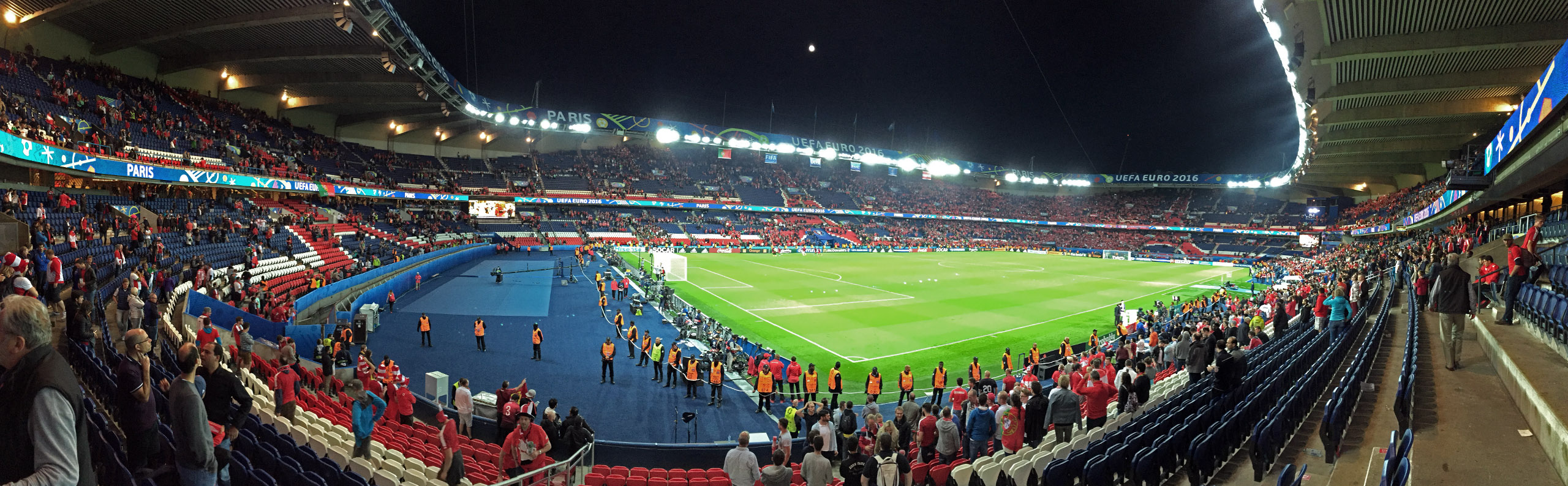
Out of possession, PSG usually drop into a compact 4-3-3 or 4-4-2 shape. The back four stays relatively high, with the holding midfielder screening passes into the opposition’s No. 10. Center-backs like Marquinhos are aggressive at stepping out, trusting the team’s speed to cover balls in behind.
The key for Paris is protecting the half-spaces. If their midfield line stays connected to the defense, Spurs will struggle to find pockets between the lines for creators like James Maddison or whoever operates as the advanced playmaker. If those gaps open up, PSG’s structure can suddenly look fragile.
Spurs, by contrast, tend to defend narrower. Frank’s teams traditionally pack the middle, asking wingers to tuck in and fullbacks to track the wide threats. Expect a 4-3-3 that can collapse into a 4-5-1, with the striker dropping onto PSG’s deepest midfielder and the rest of the block shifting as a unit.
For U.S. viewers, watch how often PSG are forced to play around the block instead of through it. If Spurs can keep the game in front of them and avoid being dragged into emergency defending inside their own box, their plan is working.
Pressing and Counter-Pressing: Who Controls the First Pass?
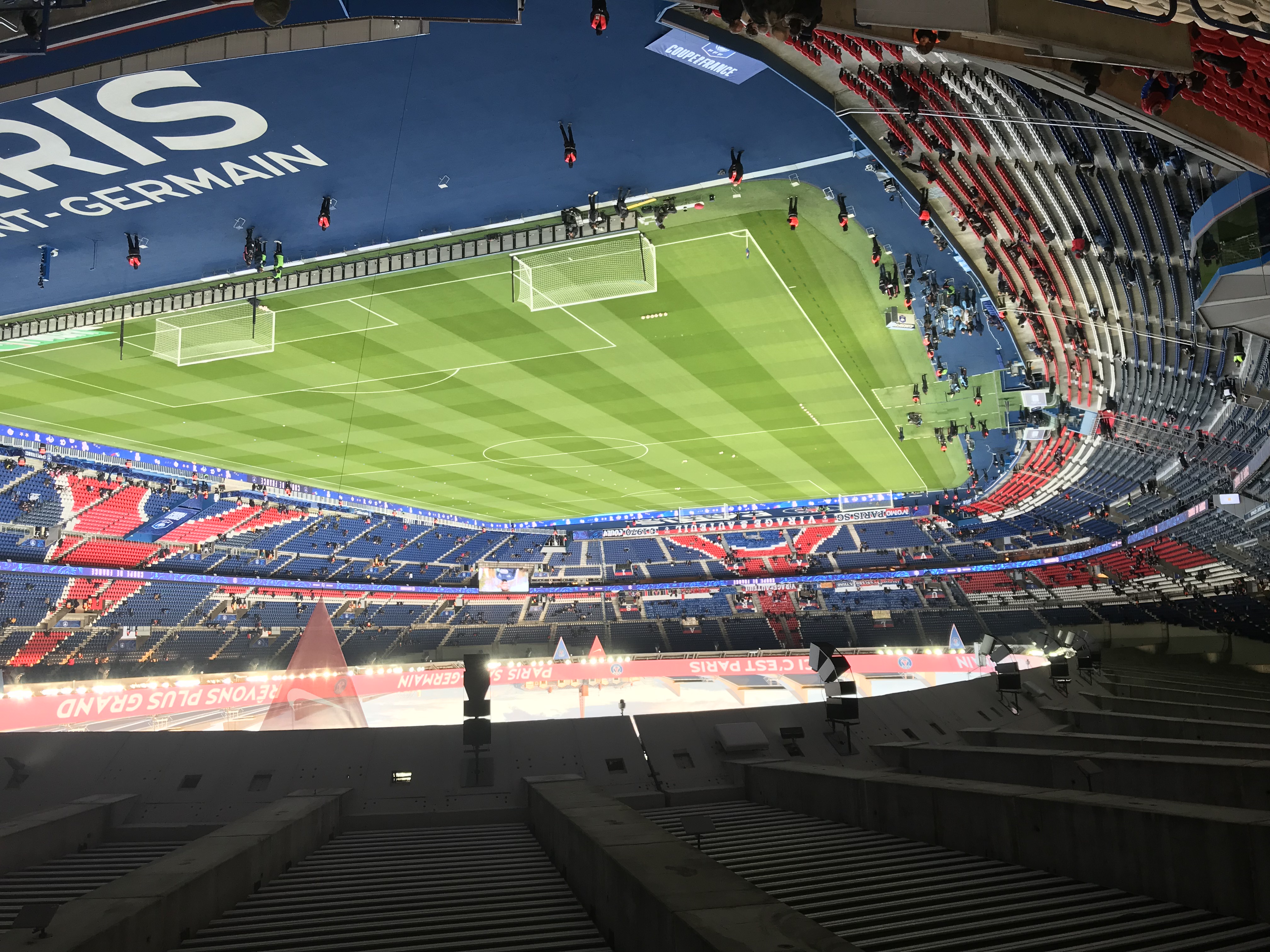
PSG’s pressing game is built around triggers: a backward pass to the center-back, a sideways touch from the goalkeeper, or a loose reception with the player’s back to goal. When those triggers appear, the front three jump, the nearest midfielder steps out, and fullbacks squeeze up to lock the ball on one side.
This isn’t just about winning the ball high. It’s about suffocating Spurs so they can’t build any rhythm. If PSG’s press connects, Tottenham’s possession spells will be short and rushed, and the game will tilt toward the Paris goal for long stretches.
Spurs won’t press as relentlessly, but they will pick their moments. Frank likes coordinated, medium-high pressing waves: the striker closes the center-back, the nearest winger jumps to the fullback, and the midfield shifts across to block short options. Done well, it forces long balls that Romero and Van de Ven can attack in the air.
Whoever controls those first and second balls after clearances will quietly control the tempo of the match.

Suggested embed: a tactical thread from X (Twitter) breaking down how Spurs press under Thomas Frank, with freeze-frames of their 4-3-3 out of possession.
Wide Areas: Wingers, Fullbacks and Space
This is where the game could explode. PSG rely heavily on their wide players and fullbacks to create superiority. Think of Achraf Hakimi overlapping or underlapping, a winger holding the width, and an interior midfielder drifting over to create a triangle. On the left, a more creative winger may be allowed to drift inside, opening the flank for the fullback.
Spurs will likely answer with narrow wingers and adventurous fullbacks of their own. The wide forwards cut inside to threaten goal or combine with the No. 10, while the fullbacks provide width and crosses. That’s fantastic when Spurs have the ball; it’s risky when they lose it, especially against PSG’s pace.
If Tottenham’s fullbacks get caught high and Paris win the ball, expect immediate switches into the space behind. Those moments – a single turnover, an under-hit pass, a fullback stranded upfield – can decide the Champions League tonight.
🛒 PSG 2025/26 Home Jersey – if you’re backing the champions of Europe to dominate the flanks again tonight.
🛒 Tottenham Hotspur 2025/26 Home Kit – perfect if you think Spurs’ wide runners can shock Paris on the break.
Midfield Battle: Control vs Verticality
In midfield, PSG will aim for control. Their three-man unit is built for circulation: one deeper player to connect with the center-backs, and two more advanced midfielders who can receive under pressure, turn, and progress the ball. When they get into a rhythm, PSG can pin opponents back for long stretches without necessarily creating immediate chances.
Spurs are more vertical. Their midfield is designed to win the ball and play forward quickly, not to dominate sterile possession. Expect one deeper midfielder tasked with screening PSG’s playmaker and at least one runner who can break lines with carries or late box arrivals.
The U.S.-friendly way to think about it: PSG are the NBA team building through slow half-court sets, while Spurs want a track meet. If PSG’s midfield keeps the game “in the half-court,” their quality usually tells. If Spurs can turn it into a transition-heavy game, their athleticism and directness suddenly look a lot more dangerous.

Transitions and Set Pieces: The Hidden Deciders
Big Champions League fixtures are rarely decided only by the initial game plan. They’re decided by transitions and restarts. When PSG lose the ball, their first instinct is to counter-press aggressively. If the nearest three or four players win it back quickly, Spurs never get to launch those long, surging counter-attacks.
But if Tottenham can break the first wave of pressure, PSG’s high defensive line will be exposed. Watch for vertical runs from Spurs’ wide forwards and central striker whenever they intercept a pass or win a duel in midfield. Those three or four seconds after the turnover could generate the best chances of the night.
Set pieces are another quiet battleground. PSG have improved in dead-ball situations, but Spurs will back their size and timing in the box. A single corner or free-kick goal could swing not just the match, but the entire feel of the league-phase table.
🛒 adidas UCL Pro 25/26 League Stage Ball – the same design being struck at Parc des Princes tonight, ideal for your own pickup games.
Suggested embed: YouTube highlight of PSG vs Tottenham in the UEFA Super Cup 2025, showing how quickly both sides can turn turnovers into chances.
Key Players and Matchups for U.S. Fans
If you’re tuning in from the U.S. and want a quick viewing guide, start with these names and duels:
- PSG goalkeeper: Commanding in the air and strong in 1v1s – crucial when Spurs break through or attack set pieces.
- Marquinhos (PSG): The defensive leader. His positioning against Spurs’ striker and his ability to step into midfield will shape PSG’s whole structure.
- Achraf Hakimi (PSG): An attacking fullback who can turn simple overlaps into cutbacks and shots. His duels with Spurs’ left winger will be must-watch.
- Vitinha / Zaïre-Emery (PSG): The engine in midfield. If they can receive under pressure and play forward, PSG will suffocate Spurs.
- Ousmane Dembélé / wide PSG forward: The dribbler who can unbalance the block with one move. Spurs will likely double up on him.
- Cristian Romero (Spurs): Aggressive, front-foot defending. If he times his challenges well, he breaks PSG attacks early. If he’s late, fouls and chaos.
- Micky van de Ven (Spurs): Recovery pace against PSG’s runners in behind will be vital, especially in transition.
- Yves Bissouma / Pape Matar Sarr (Spurs): Ball-winners and carriers. Their ability to survive PSG’s press and drive the ball forward is central to Spurs’ plan.
- James Maddison (Spurs): The creative hub between the lines. If he finds pockets behind PSG’s midfield, Spurs suddenly look dangerous.
- Spurs central striker: Whether it’s Richarlison or another option, the No. 9’s hold-up play and movement will determine how often Spurs can get out.
👉 Don’t miss: Best Champions League Jerseys 2025
What’s at Stake Tonight?
Under the new 36-team Champions League league phase, every matchday matters. PSG are pushing for a top-eight finish, which would send them directly into the round of 16 and avoid the extra playoff round. A win tonight would keep them firmly on track for that privileged position.
Spurs, currently hovering around mid-table in the standings, are fighting to stay on the right side of the break. A win in Paris would be massive: it could push them toward the top-eight conversation or, at minimum, solidify their place in the 9–24 range and give them a strong shot at the playoff round.
In simple terms for U.S. viewers: PSG are playing to protect elite seeding; Spurs are playing to stay alive in the race and prove their Europa League triumph wasn’t a one-off. Add in the psychology – beating the reigning champions vs defending your new status as Europe’s top dog – and this feels bigger than just another Champions League fixture.
Where to Watch in the U.S.
For viewers in the United States, Champions League matches are available in English on CBS Sports platforms and via streaming on Paramount+. Spanish-language coverage is typically carried on TUDN/Univision networks and their associated streaming services.
Kickoff in Paris is scheduled for 21:00 CET, which translates to 3 p.m. ET and 12 p.m. PT. In other words: a perfect mid-afternoon match to keep an eye on at work, in class, or during a late lunch break.
FAQ
Why is PSG vs Spurs a big Champions League game?
PSG enter as reigning Champions League winners and one of Europe’s most marketable clubs, while Spurs arrive as Europa League champions trying to cement their place among the elite. The match brings together two very different football cultures and tactical identities, with real stakes in the new league-phase table. For U.S. fans, it’s a chance to watch a heavyweight favorite tested by a hungry underdog with nothing to lose.
How will PSG most likely try to attack Tottenham?
PSG will look to build from the back, use midfield overloads to progress, and then unleash their wide players and fullbacks in advanced positions. Expect lots of combinations in the half-spaces, cutbacks from the byline, and quick switches of play to drag Spurs’ block around. They’ll try to pin Tottenham deep and keep them defending for long stretches.
How will Spurs try to hurt PSG?
Tottenham will be more direct. They’ll look to stay compact, win the ball in midfield, and then break quickly into the space behind PSG’s advanced fullbacks. Long diagonals into the channels, runs from wide forwards, and late arrivals from midfielders like Maddison will be central to their game plan.
What formations are we likely to see tonight?
PSG usually line up in a 4-3-3 that can morph into a 4-2-3-1 depending on how the attacking midfielder positions himself. Spurs also tend to use a 4-3-3 shape, with one deeper midfielder and two more advanced, but can flatten into a 4-5-1 when they defend deep. Don’t be surprised if both teams adjust their lines depending on the game state.
Which players should casual fans focus on if they’re watching for the first time?
If you’re new to these teams, keep an eye on PSG’s right flank with Hakimi and their right winger, plus their central midfield conductor who links everything together. For Spurs, focus on Cristian Romero and Micky van de Ven at the back, the main ball-winner in midfield, and James Maddison, who often dictates their attacking play. Watching how these players interact will help you understand the tactical story of the night.
 Paris Saint Germain