

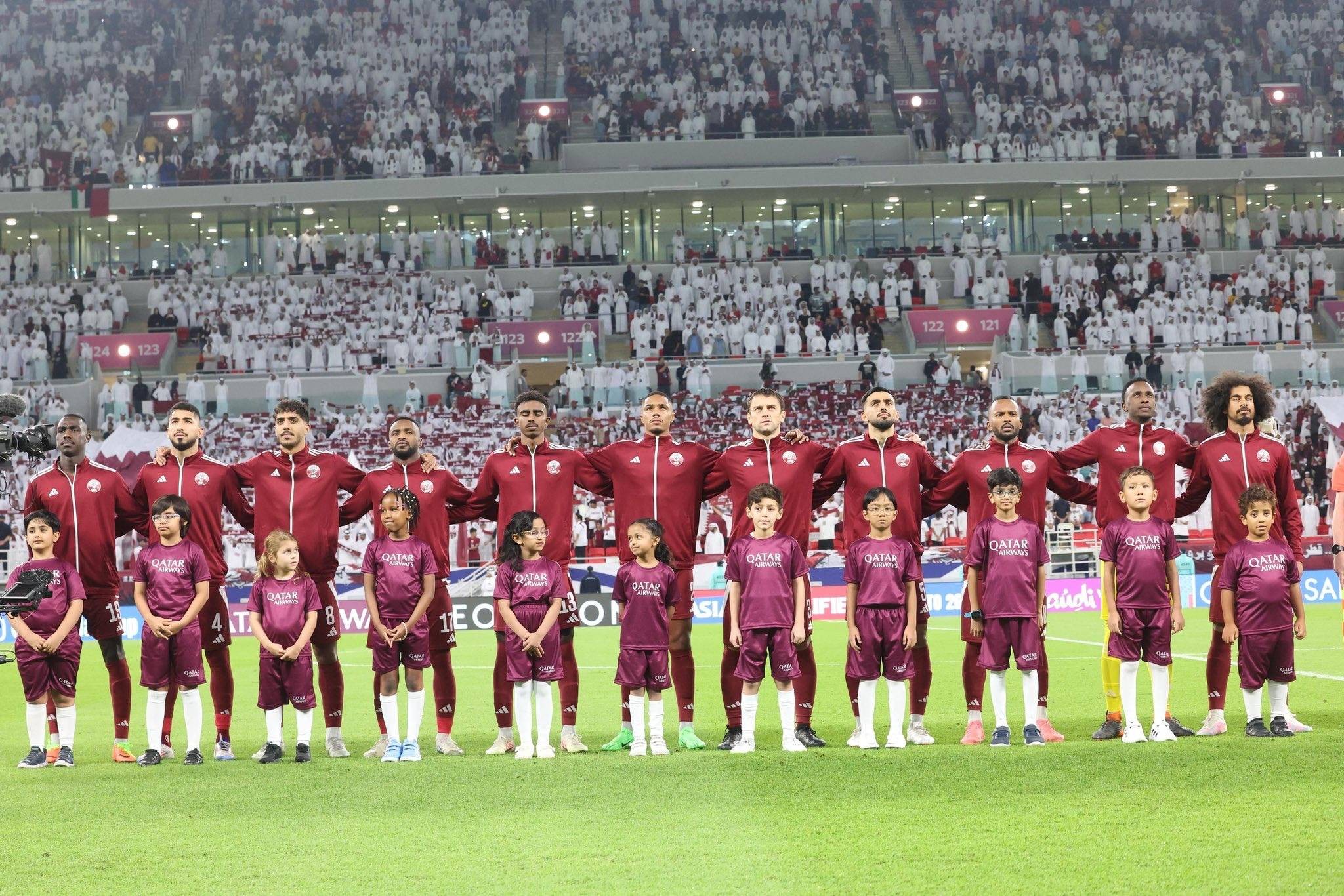
Six days after a goalless warm-up against El Salvador, Qatar step into their second consecutive World Cup as host nation and opening-round participants, this time having earned their place through the Asian qualification process rather than automatic rights. Standing in their way in San Jose on June 13 is a Switzerland side that drew 1-1 with Australia last week and arrives as a well-drilled, experienced European outfit under Murat Yakin. Group A points are on the line from the very first whistle, and neither side can afford to gift the other a head start.
What’s at stake
With the expanded 2026 World Cup sending three teams from each six-team group into the round of 16, a win on matchday 1 puts any side in a strong position to advance. Qatar and Switzerland are both capable of reaching the knockout stage, but the group’s other results will shape how important this opener ultimately becomes. A three-point cushion on day one provides the kind of breathing room that could define a group campaign.
For Qatar, progress beyond the group stage would represent a historic first. At the 2022 edition they hosted, they became the first host nation to exit in the group stage. Julen Lopetegui, brought in to modernize the national setup, has emphasized a more structured defensive shape. Dropping points at home, on North American soil in front of what could include significant Qatari diaspora support, would put immediate pressure on the remaining fixtures. Switzerland, for their part, have become regulars in the round of 16 at recent major tournaments and will see this opener as a winnable fixture to bank early momentum.
How they got here
Qatar’s last five results across friendlies read: D (vs El Salvador, 0-0), L (vs Rep. of Ireland, 0-1), D (vs Sudan), D (vs Argentina), D (vs Serbia). Four draws and a defeat, with scores unavailable for three of those fixtures, paints a picture of a side finding organization but lacking a cutting edge going forward. The 0-1 loss in Dublin was the one low point. Switzerland’s equivalent run shows more variety: D (vs Australia, 1-1), W (vs Jordan, 4-1), D (vs Norway, 0-0), L (vs Germany, 3-4), D (vs Kosovo, 1-1 in World Cup qualifying). The 4-1 against Jordan offers a reference point for their attacking output when things click, though the 3-4 defeat to Germany suggests their defensive structure can be picked apart by mobile attackers.
There are no group stage standings to reference at this point since this is matchday 1. Both teams enter on zero points, zero goals, and equal footing. Head-to-head history between these sides is minimal: they have met just once, a friendly in November 2018 that Qatar won 1-0. That result offers almost nothing predictive for a World Cup fixture eight years later with entirely different squads and contexts.
Key battle to watch
Granit Xhaka against Qatar’s midfield block is the tactical duel worth tracking. Xhaka, operating as Switzerland’s deep-lying organizer, will look to set tempo and move the ball quickly into wide areas where Ruben Vargas and Dan Ndoye can run at defenders. Lopetegui’s Qatar are likely to defend compactly and rely on transitions through Akram Afif and Almoez Ali. If Switzerland’s midfield can dominate the center and pin Qatar back, the space behind Qatar’s defensive line becomes the key target zone. If Qatar succeed in disrupting Xhaka’s rhythm and hitting on the counter, they have the personnel to make it uncomfortable.
Key Stats
Match Context

Our Prediction
Switzerland enter as the more technically polished side, with greater big-tournament experience across their squad and a clear identity under Yakin. Qatar’s recent form suggests they are organized and hard to break down, but they have not been generating goals with any consistency in the build-up period. A narrow Switzerland win or a draw reflects the most realistic range of outcomes, with Qatar unlikely to be as porous as their 2022 group stage exits suggested if Lopetegui has instilled the defensive discipline he favored at club level.
 Qatar
Qatar Switzerland
 Akram Afif
 Granit Xhaka