

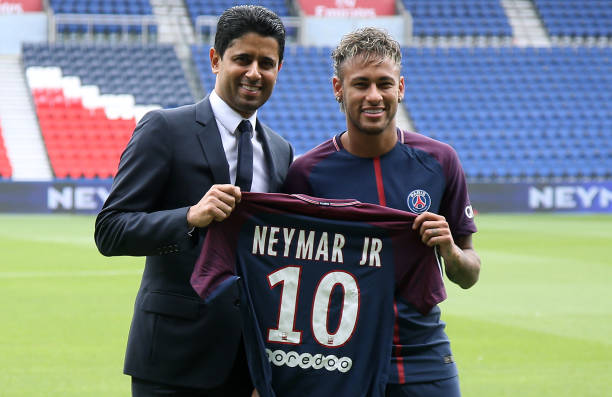
On a summer afternoon in 2017, Paris Saint Germain handed Barcelona 222 million euros for a single player, and soccer was never the same again. Neymar’s transfer was not just expensive. It was more than double the previous world record, and in one stroke it told every club, agent, and player exactly how far the sport had drifted from the game their grandparents watched. The money had always been there in the background. That day, it stepped into the light and took over.
- World record transfer: Neymar, 222 million euros, PSG, 2017
The game that used to be cheap
It is easy to forget how modest soccer once was. When Deloitte published its first Money League in 1998, the richest club on the planet was Manchester United, and its entire annual revenue sat around 88 million pounds. Players earned good wages, but they were not the untouchable millionaires of today. Stadiums were older, sponsors were local, and the idea of a truly global audience was a dream rather than a business plan. Soccer was a sport first and an industry second. That order has now been completely reversed.
Television opened the floodgates
The single biggest force behind the change was television. When broadcasters realized that live soccer could hold millions of viewers captive every weekend, they began paying enormous sums for the rights to show it. The Premier League led the way, and today its broadcast deals generate more than 3 billion pounds every season. That money flows straight into the clubs, which spend it on players, wages, and stadiums, which in turn makes the product more attractive, which pushes the next television deal even higher. It is a machine that feeds itself, and it has made the biggest leagues almost impossibly rich compared to everyone else.
- Premier League broadcast revenue: over 3 billion pounds in a single season
The transfer market lost all sense of reality
With so much money pouring in, the transfer market simply lost its mind. Fees that once seemed insane became routine. Neymar’s 222 million euros still stands as the record, but nine figure transfers no longer shock anyone. In the summer of 2025, Liverpool alone spent close to 480 million pounds rebuilding their squad. Clubs now treat players like assets on a balance sheet, buying and selling them for sums that would have been unthinkable a generation ago. The romance of a loyal star spending his whole career at one club has become the exception rather than the rule, because the money makes standing still almost impossible.
New owners with bottomless pockets
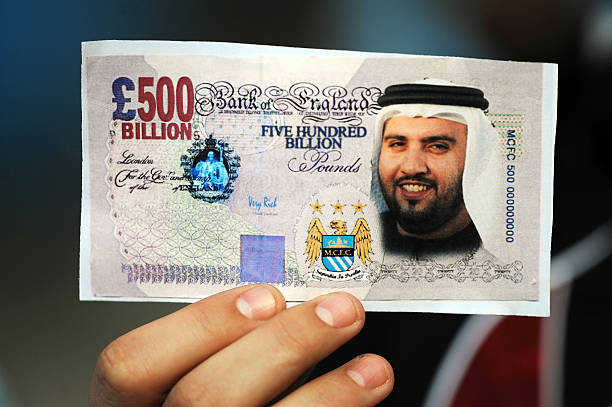
Then came a new kind of owner. Where clubs were once run by local businessmen or fans made good, many of the biggest names are now backed by nations and sovereign wealth funds. Paris Saint Germain and Newcastle were transformed by owners with resources that no traditional club could match. In 2023, Saudi Arabia entered the market directly, luring global stars with salaries that European clubs could not dream of paying. This wealth does not just buy players. It bends the entire market, inflating valuations and forcing everyone else to spend more just to keep up. For these owners, winning is often less about profit than about prestige and influence.
The club as a global brand
Money also changed what a club actually is. The best teams are no longer just sporting institutions. They are global brands with fans, stores, and sponsors on every continent. Real Madrid became the first club ever to pass 1 billion euros in annual revenue, and its shirt sponsorship deals alone are worth more than most clubs earn in a year. Commercial income, from jerseys to stadium naming rights to preseason tours across the United States and Asia, has become the richest stream of all. The clubs that understand this the best are pulling further and further ahead, while everyone else fights over the scraps.
- Real Madrid: first club to earn over 1 billion euros in a single season
What we gained and what we lost
It would be dishonest to pretend this was all bad. The money has raised the quality of the sport to breathtaking levels. Training facilities, medical care, coaching, and analytics have turned modern players into the finest athletes the game has ever seen. American fans have never had more access, with nearly every major match now streamed live and the sport growing faster here than almost anywhere on earth. The spectacle is richer than it has ever been.
But something was lost along the way. The gap between the rich and everyone else has become a canyon, and a handful of clubs now win almost everything worth winning. Ticket prices have soared, pricing out many of the working class fans who built these clubs in the first place. And the endless chase for revenue can make the game feel less like a sport and more like a product designed in a boardroom.
Money did not ruin soccer. It made it bigger, faster, and more global than anyone ever imagined possible. But it also changed the sport’s soul, turning a simple game into a multi billion dollar business where the richest almost always win. The Neymar deal was not the beginning of that story, and it will not be the end. It was simply the moment the whole world finally noticed.
 Paris Saint Germain
 Real Madrid
 Neymar