

May 25, 2005, at the Atatürk Olympic Stadium on the windswept edge of Istanbul, soccer produced one of the greatest comebacks the sport has ever seen. Liverpool, a club chasing its first European Cup in 21 years, faced an AC Milan side many considered the finest team on the planet. Rossoneri had Paolo Maldini, Andrea Pirlo, Kaká, Andriy Shevchenko and Hernán Crespo. Liverpool, managed by Rafael Benítez in his debut season in England, were respected but rarely feared. By the time the night was over, the balance of belief had flipped completely.
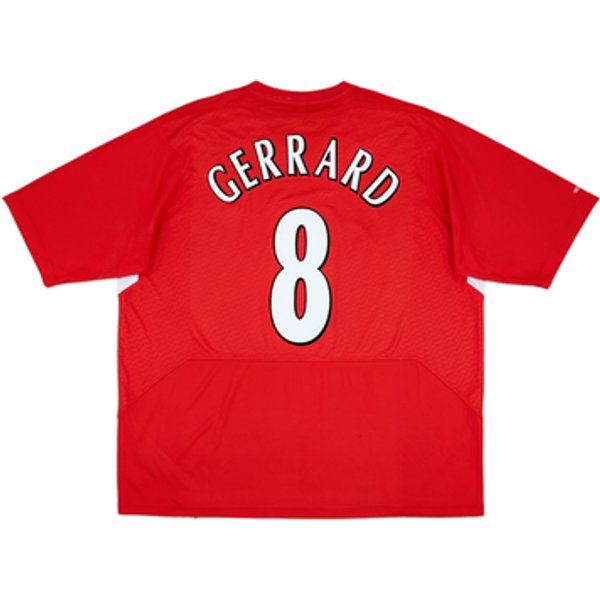
- Final : Liverpool 3 3 AC Milan, Liverpool win 3-2 on penalties
- Venue : Atatürk Olympic Stadium, Istanbul
- Date : May 25, 2005
A first half to forget
The match could hardly have started worse for the English side. Less than a minute in, Maldini swept home a volley from a Pirlo free kick, silencing the Liverpool end before fans had even settled into their seats. It was a brutal opening, and it set the tone for a punishing 45 minutes. Crespo added a second after a slick Milan move, then finished a delicate chipped pass from Kaká to make it three. The Italians were ruthless, patient and seemingly untouchable.
- Paolo Maldini scored after roughly 50 seconds, the fastest goal in a European Cup final at the time
When the halftime whistle blew, Liverpool walked off to a 3 0 deficit that looked impossible to overturn. Television cameras caught stunned supporters, some already heading for the exits. In the Milan dressing room, the mood was close to celebration. The trophy felt won.
Six minutes that stopped the clocks
What happened during the interval has become part of soccer folklore. Benítez reshaped his team, sending on Dietmar Hamann to shore up midfield and pushing captain Steven Gerrard into a more advanced role. The tactical tweak was bold, but the spirit it unlocked mattered just as much. The players have since spoken about a refusal to be embarrassed, a desire to score at least once for the traveling fans.
That single goal arrived in the 54th minute. Gerrard rose to meet a John Arne Riise cross and powered a header past Dida. It was meant to be a consolation. Instead it lit a fuse. Two minutes later Vladimír Šmicer drilled a low shot from distance that crept inside the post. Suddenly it was 3 2, and the Atatürk roared back to life.
- Three goals in six minutes, from the 54th to the 60th, leveled a game that looked dead
The third was the most dramatic. Gerrard burst into the box and was fouled, and Xabi Alonso stepped up for the penalty. Dida saved the initial effort, but Alonso reacted fastest and smashed the rebound into the roof of the net. In the space of six astonishing minutes, Liverpool had erased a three goal hole. The comeback was complete, and Milan looked shellshocked.
Holding on
For the rest of regulation and into extra time, the match swung between exhaustion and desperation. Liverpool, having poured everything into their surge, were running on fumes. Jamie Carragher defended through cramp, throwing his body in front of shots and crosses with the desperation of a man who knew the night might never come again.
Milan, stung but still loaded with quality, pressed for a winner. The defining moment came late in extra time. Shevchenko, one of the best finishers in the world, met a cross six yards out and headed it goalward. Goalkeeper Jerzy Dudek somehow blocked it, then reacted to claw away the follow up from point blank range. It remains one of the most celebrated double saves in the history of the competition.
- Jerzy Dudek’s double save denied Andriy Shevchenko in extra time and kept the score level
The whistle blew with the teams still locked at 3 3. After 120 minutes of chaos, the European Cup would be decided from the penalty spot.
The shootout
Dudek became the central character. Borrowing a trick from Liverpool legend Bruce Grobbelaar, who had distracted Roma in the 1984 final, he wobbled along his line with rubbery legs and waving arms, trying to unsettle each shooter. Whether it was the dance or simply nerves, it worked.
Serginho fired Milan’s first attempt over the bar. Hamann scored for Liverpool. Dudek then dived to his right and saved from Pirlo, handing Liverpool the initiative. Djibril Cissé scored, Tomasson pulled one back, then Riise saw his effort kept out by Dida. Kaká converted to keep Milan breathing, and Šmicer scored to leave Liverpool on the brink.
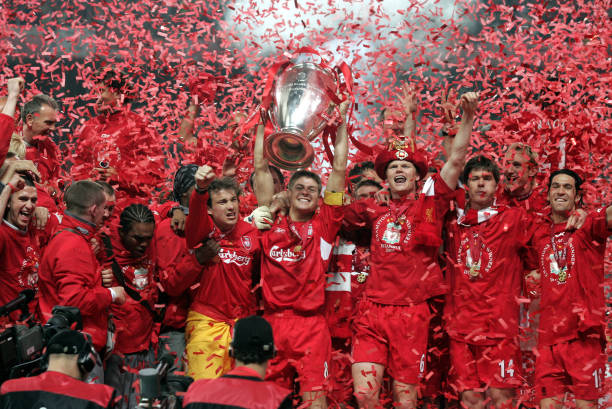
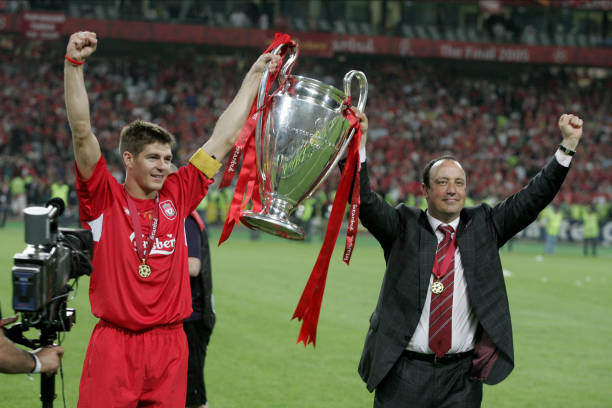
That brought up Shevchenko, needing to score to extend the shootout. Dudek read it, dived to his right and pushed the ball away. Liverpool had won the European Cup for the fifth time, and the players sprinted toward their goalkeeper in disbelief.
- Liverpool’s fifth European Cup earned them the right to keep the trophy permanently
Why Istanbul still matters
Two decades later, the Istanbul miracle endures because it captured everything people love about the sport in a single night. It had a villain in the form of a flawless first half, a hero in an unlikely goalkeeper, and a captain in Gerrard who dragged his team back from the dead. For Liverpool supporters, it is the defining memory of a generation, the reason a particular stretch of the Champions League anthem still raises the hairs on the back of the neck.
For Milan, it was a wound that lingered. The two clubs met again in the 2007 final, and the Italians won that one to settle a private score. But revenge could never erase what happened in Turkey. Comebacks like this are not supposed to be possible against teams that good, on a stage that big.
The match is now shorthand for never giving up, quoted in locker rooms and broadcasts whenever a side trails badly at halftime. Liverpool taught the soccer world a simple, stubborn lesson that night. As long as the game is still being played, nothing is truly decided. That is the heart of the Istanbul miracle, and it is why the story refuses to fade.
 AC Milan
 Liverpool