

Liam Rosenior’s time at Chelsea is over. Appointed in January, the English coach has already been dismissed by a direction short on ideas.
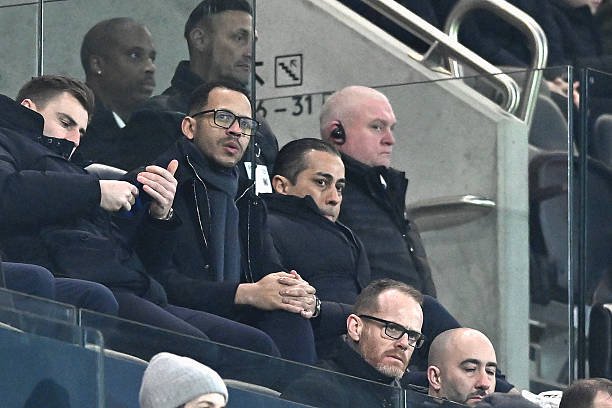
Jorgensen : a costly decision
It is tempting to say that the goalkeeper hierarchy change implemented by Liam Rosenior had a significant impact on the Blues’ season. Robert Sánchez had been particularly good this year, and his improvement was clear to see. Capable of outstanding reflex saves, he was also one of the key voices in the dressing room and a widely appreciated personality. Against that backdrop, the decision to install Jorgensen as the No. 1 for big matches against Aston Villa and Paris Saint-Germain was difficult to understand.
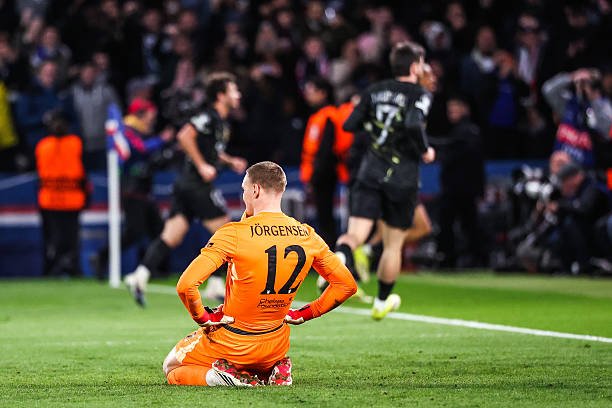
For Sánchez, it felt like a stab in the back just as he was hitting his stride. It is remarkable that Chelsea’s first-choice goalkeeper, in the middle of a positive season, was replaced by the backup without any obvious necessity.
The consequences were severe: new defensive relationships to build and a lack of familiarity between the goalkeeper and his defenders, leading to mistakes—such as the goal conceded to Vitinha.
That error weighed heavily on Chelsea’s match against PSG and on the entire approach to the two-legged tie. There was a sense the players were affected by it. Aside from a match against Port Vale in the FA Cup, Chelsea’s last goal remained the one that made it 2-2.
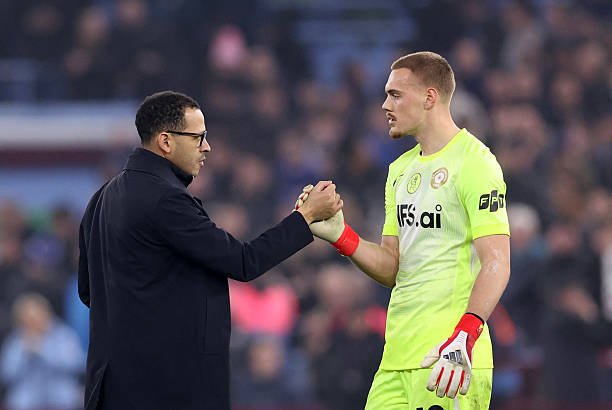
You only appreciate what you have once is gone
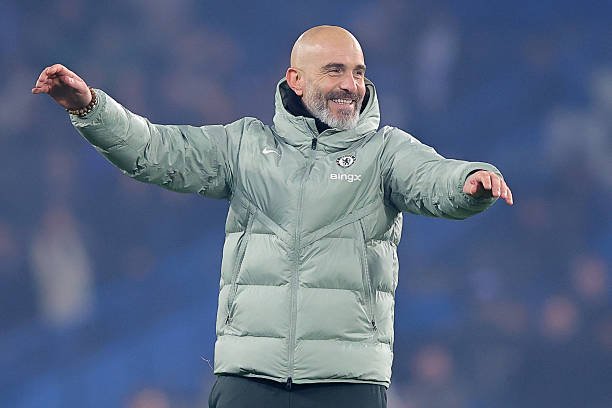
Despite everything, Rosenior can be seen as little more than a pawn in Chelsea’s broader strategy. By refusing to invest in experienced players and central defenders, the club exposed itself to a risky philosophy built on youth exploitation and an unbalanced squad.
The previous coach, Enzo Maresca, had repeatedly criticized a strategy that did not allow him to take Chelsea to the top. In the first half of the season, Maresca appeared to be doing solid work, highlighted by statement wins against Barcelona (3-0) and Liverpool (2-1). But it did not last, and a negative run in December disrupted the hierarchy.
Maresca’s departure laid bare the shortcomings of a squad he had managed to keep in the Premier League’s top four. His ability to maximize his team’s strengths and deliver in big matches had been widely praised. Once he left in January, that structure collapsed. Players like Cucurella, Sánchez, Caicedo, and Enzo saw their performances drop, despite having formed a key backbone for Chelsea.
Where is the club heading ?
Between sporting and financial issues, Chelsea is struggling. The likely absence from the Champions League could have serious consequences for the club’s finances, potentially forcing sales to balance the books.
There is also a broader question: what coach will agree to take the job under conditions imposed by such a powerful and interventionist ownership? Rosenior’s stint already looks like a costly mistake. Eight managers in three years have tried—and largely failed—to put Chelsea back on track.