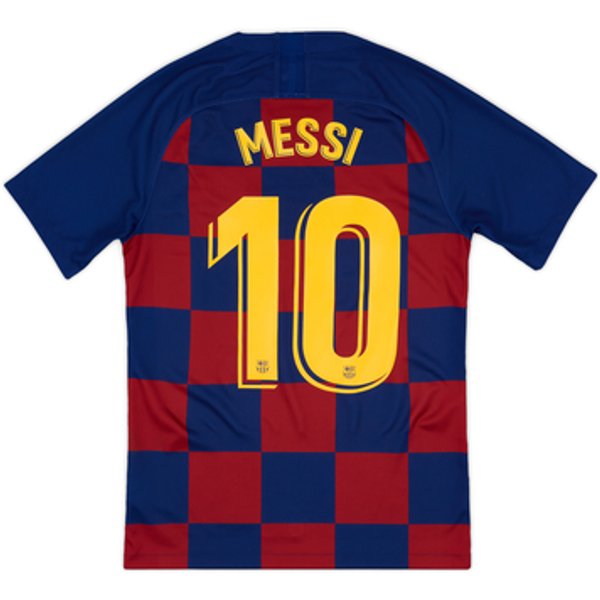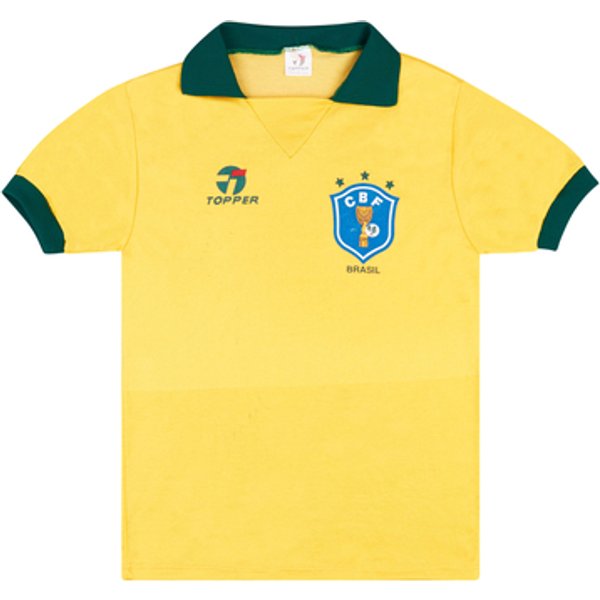

Lionel Messi is the best soccer player of all time. That is where this ranking lands after weighing trophies, individual honors, peak dominance, longevity, and influence on the game itself. You may disagree, and the comments will prove you are not alone. But a real ranking owes you its reasoning, not just a list of names, so here is ours: ten players, ranked, with the case for each.
How we ranked them
“Greatest ever” is an argument, not a measurement, so we anchored it to five things that can actually be checked and compared. Trophies come first, because the point of the sport is to win, and World Cups, European Cups, and league titles are the hardest evidence there is. Individual awards such as the Ballon d’Or capture how a player stood out among peers in his own era. Peak dominance asks a simpler question: at his best, was this player the most decisive man on the pitch? Longevity rewards those who stayed there for a decade rather than a season. And influence credits players who changed how the game is played, coached, or imagined.
No single metric wins on its own. Pelé has the most World Cups but never played a European Cup. Cristiano Ronaldo has the goals and the trophies but no World Cup. Cruyff changed the sport without winning the biggest prize at all. Ranking them means holding those trade-offs in the same hand, which is exactly what the entries below try to do.
Here are the 10 best soccer players of all time, counted down from ten to one, each with the trophies and the case that earns the spot.
10. Ronaldinho, attacking midfielder, Brazil
No one made greatness look more like fun. For three or four years in the mid-2000s, Ronaldinho was the most watchable footballer alive, a blur of no-look passes, elastico dribbles, and free kicks that seemed to bend the rules of physics. He won the 2002 World Cup with Brazil, the 2005 Ballon d’Or, and the 2006 Champions League with Barcelona, where he rebuilt a sleeping giant and smoothed the path for a teenage Messi. His peak was shorter than the men above him, which is the only reason he sits at ten. While it lasted, opposing fans applauded him, and Real Madrid’s own crowd once gave him a standing ovation at the Bernabéu.
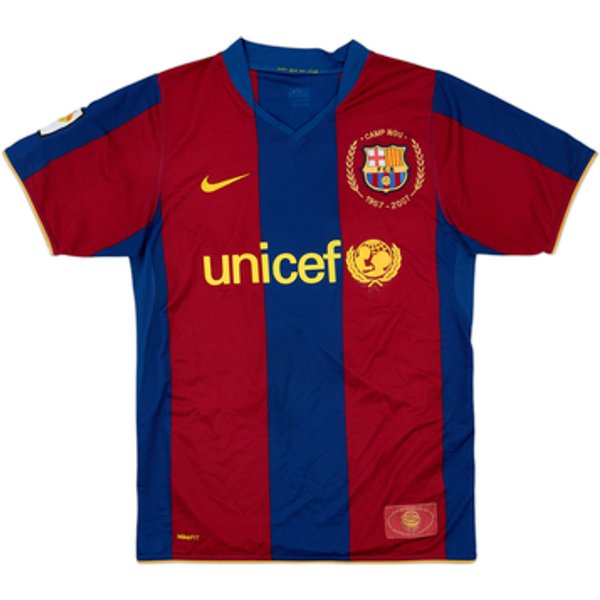
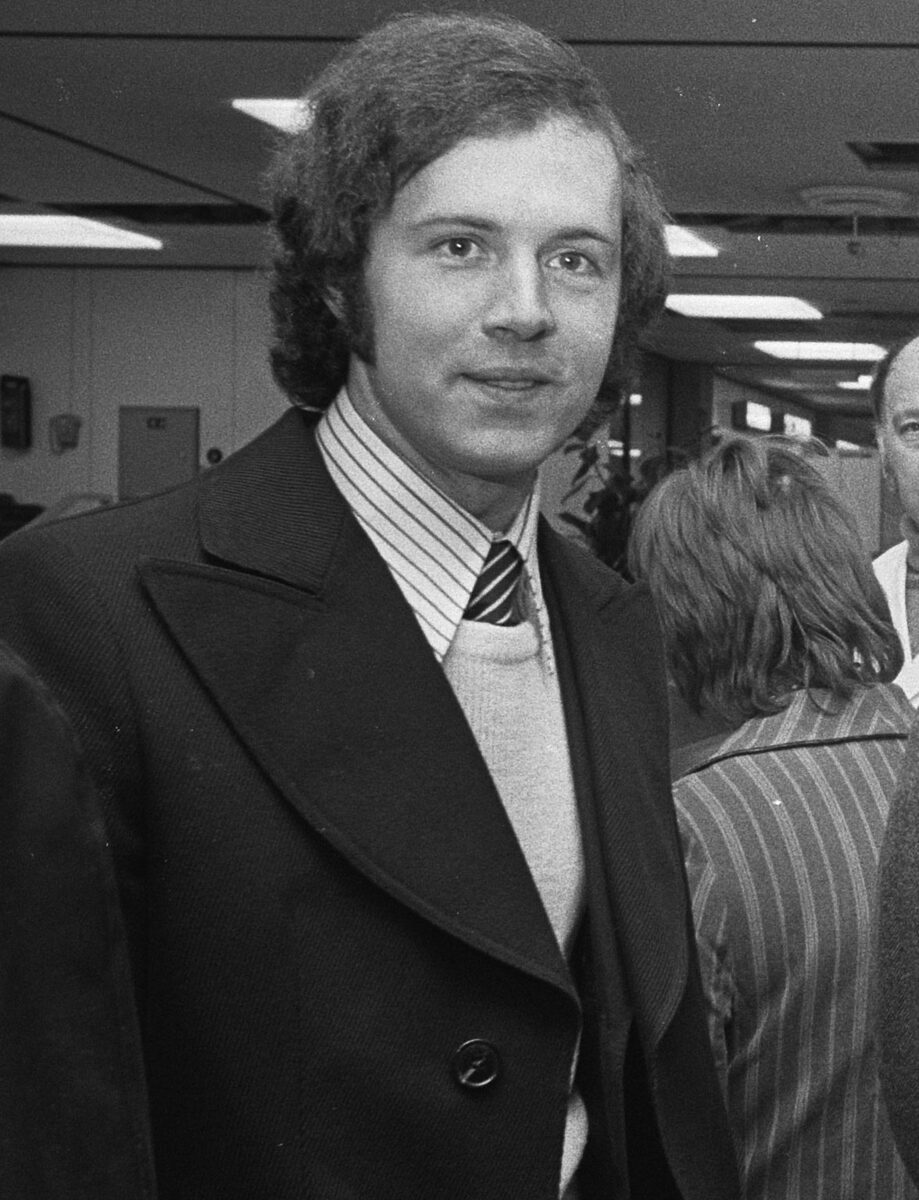
9. Franz Beckenbauer, sweeper, West Germany
“Der Kaiser” invented a position. Before Beckenbauer, the libero was a defensive afterthought; he turned it into the launchpad of every attack, stepping out of the back line with the ball as if defending and creating were the same job. He captained West Germany to the 1974 World Cup, won the 1972 European Championship, lifted three straight European Cups with Bayern Munich, and took two Ballon d’Ors. Then he won the World Cup again in 1990, this time as a manager, a feat only two other men have matched. Few players have shaped the modern game’s structure as deeply as the elegant German who decided defenders should think like playmakers.
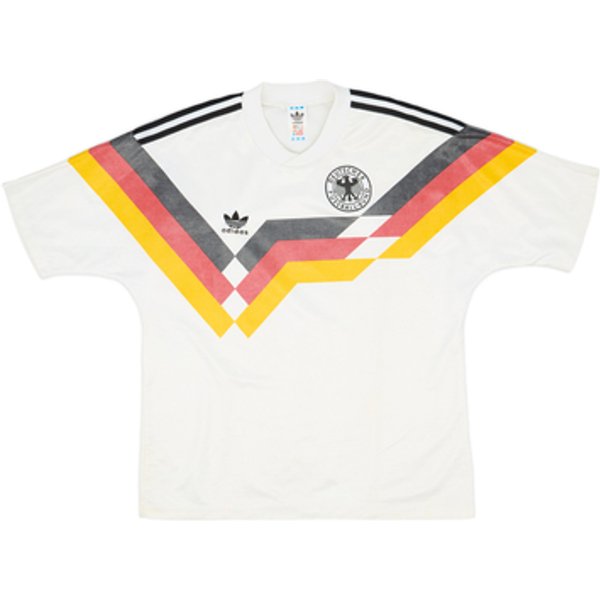
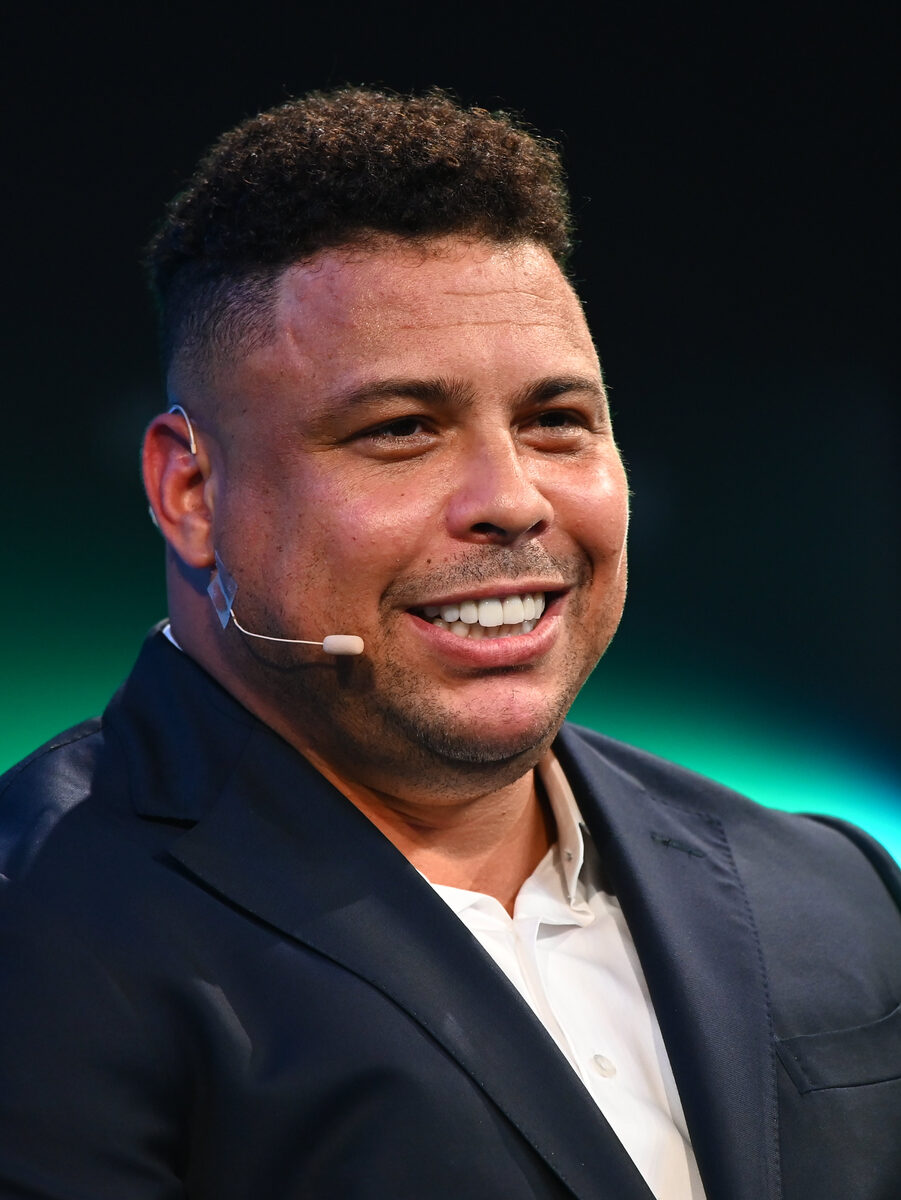
8. Ronaldo Nazário, striker, Brazil
Ask the players themselves who the most frightening striker ever was, and the original Ronaldo’s name comes up again and again. Before two career-threatening knee injuries, “O Fenômeno” combined a sprinter’s pace with a magician’s close control at a size that should have made both impossible. He won the Ballon d’Or at 21, scored 47 goals in a single season for Barcelona, then came back from years of rehab to win the 2002 World Cup and finish as its top scorer. Two World Cup medals, two Ballon d’Ors, and the lingering sense that injuries robbed us of an even higher ceiling place him eighth, and plenty would argue for higher.
7. Zinedine Zidane, attacking midfielder, France
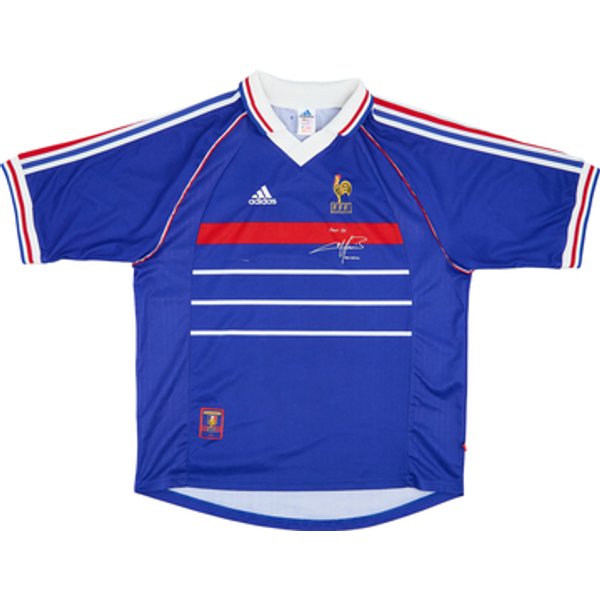
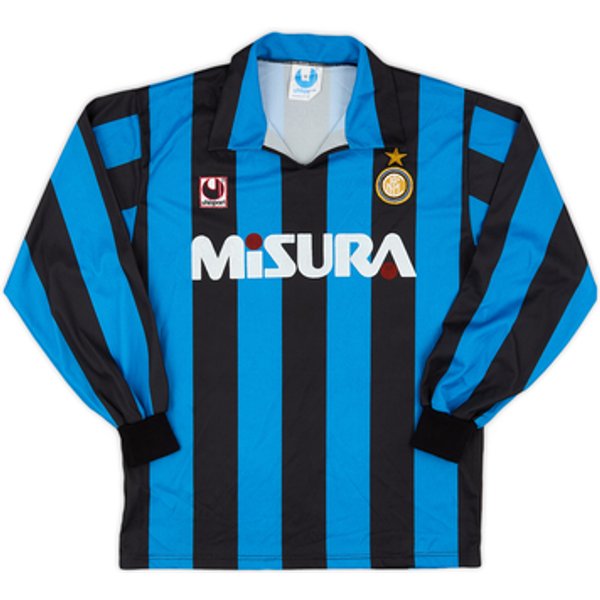
Zidane played football the way few thought a man of his frame could, gliding through midfield with a first touch that bought him a yard nobody else could see. He delivered on the biggest stages anyone has built: two headers to win the 1998 World Cup final on home soil, a left-footed volley in the 2002 Champions League final that still tops “greatest goal” lists, and a run to the 2006 final that ended in the most infamous red card in the sport’s history. One Ballon d’Or undersells him, because his value was the kind that decided finals rather than padded stat sheets. As a player and later a treble-winning Champions League manager, Zidane bent the biggest nights toward himself.
6. Alfredo Di Stéfano, forward, Argentina & Spain
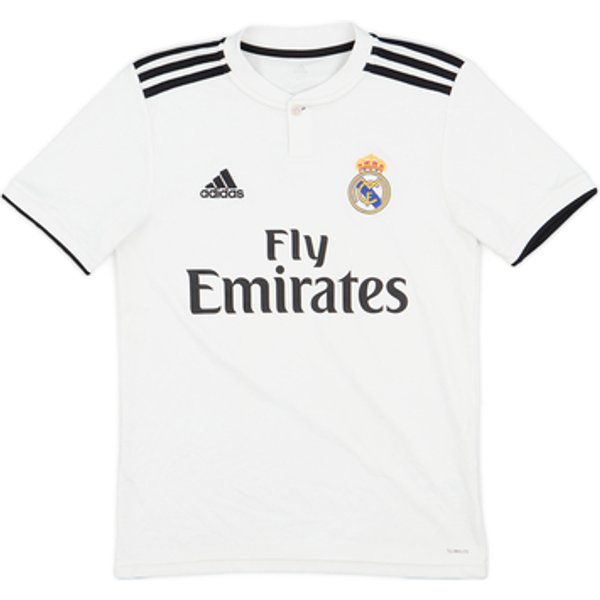
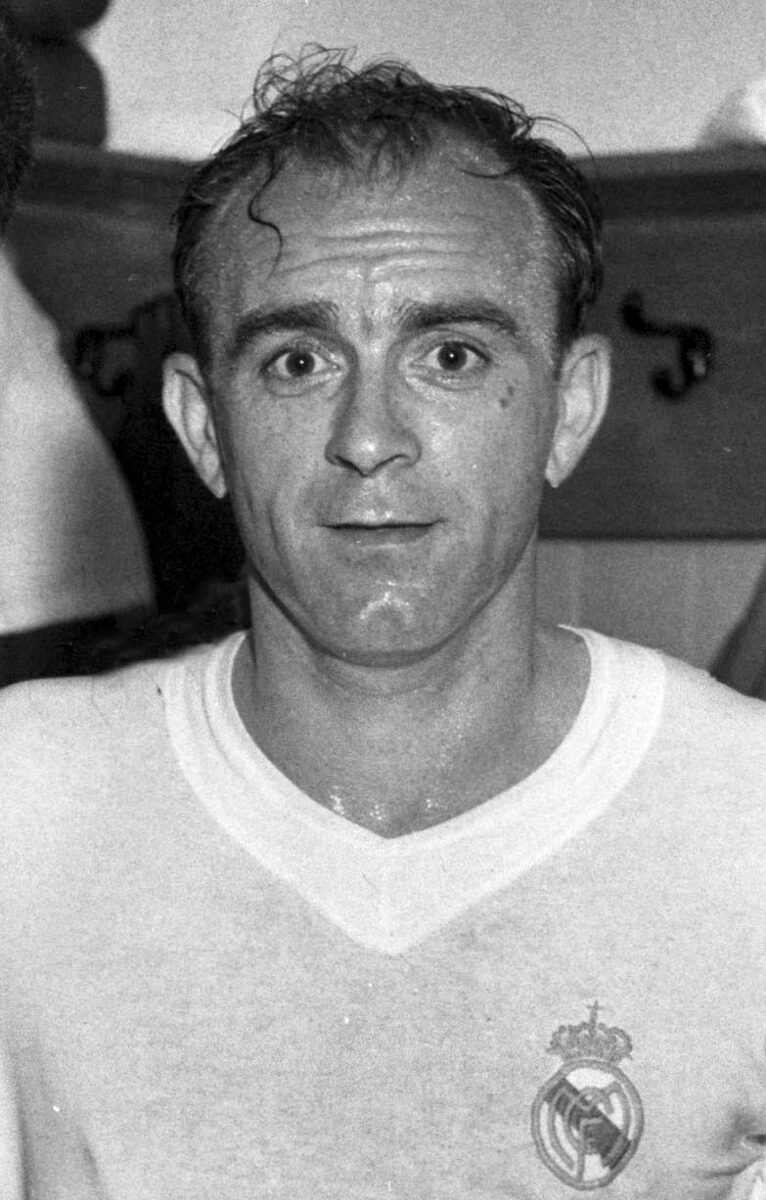
The most complete footballer of his generation never played in a World Cup, which is the only thing keeping him out of the top five. Di Stéfano did everything: he defended, created, and scored, covering every blade of grass decades before “total football” had a name. He was the engine of the Real Madrid side that won the first five European Cups in a row, scoring in all five finals, and he took two Ballon d’Ors of his own. Older coaches who saw him play insist no modern forward matches his all-round command of a match. If the European Cup is the club game’s ultimate test, no attacker has ever dominated it like the man Madrid still call the greatest they ever had.
5. Johan Cruyff, forward, Netherlands
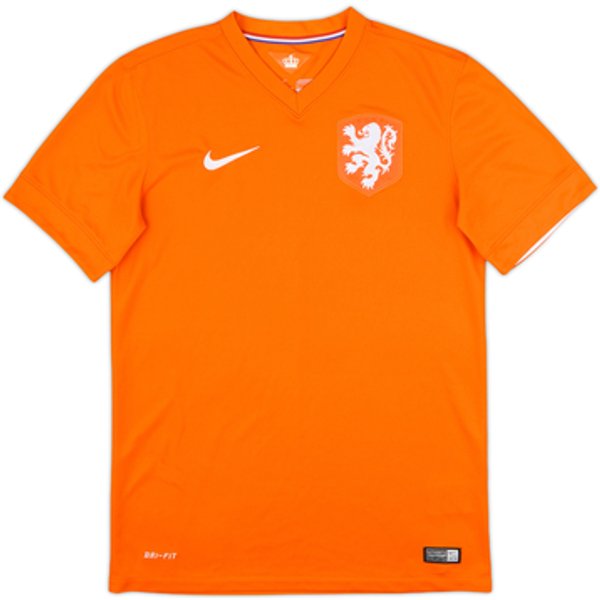
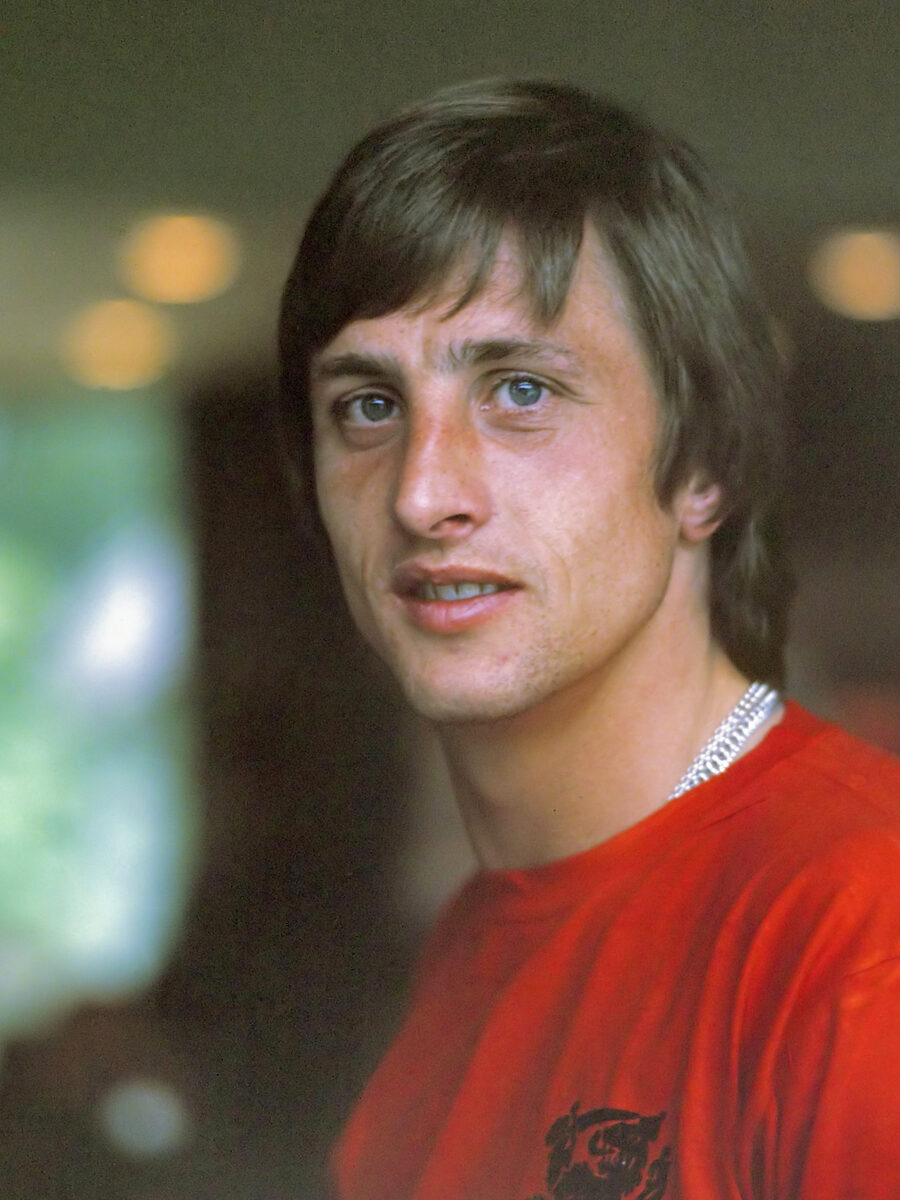
Cruyff is the most influential footballer who ever lived, full stop. As a player he was the face of Total Football, the fluid Dutch system in which every outfield player could occupy any role, and he won three Ballon d’Ors and three European Cups with Ajax. He never lifted the World Cup, losing the 1974 final, yet that Netherlands side changed how the sport thinks about space. Then came the second act: as a coach he built the “Dream Team” at Barcelona and planted the ideas that grew into tiki-taka, La Masia, and ultimately the environment that produced Messi. Trophies alone place him fifth. Measured by how much of modern football carries his fingerprints, no one is higher.
4. Cristiano Ronaldo, forward, Portugal

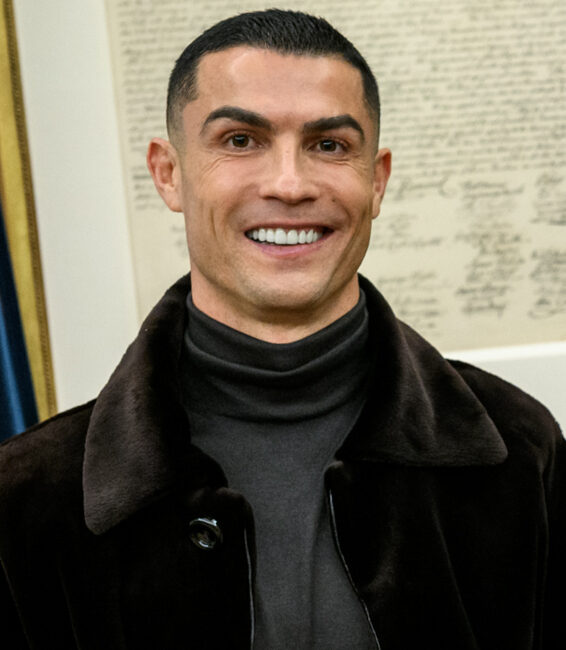
Cristiano Ronaldo is the most relentless winner the sport has produced, a self-made phenomenon who turned obsessive work into the all-time leading goalscorer in football history. He won the Champions League five times across England and Spain, claimed five Ballon d’Ors, and dragged Portugal to the 2016 European Championship. What separates him is the breadth: a flying winger at Manchester United, a record-breaking poacher at Real Madrid, a complete forward in Italy, scoring everywhere he went into his late thirties. The missing line on his résumé is a World Cup, and his individual peaks slightly trailed the man directly above him. But for sustained, era-spanning production at the highest level, no one else comes close to his numbers. His shirts trace that same arc, which is why choosing which Cristiano Ronaldo jersey to own stays its own debate among collectors.
3. Diego Maradona, attacking midfielder, Argentina
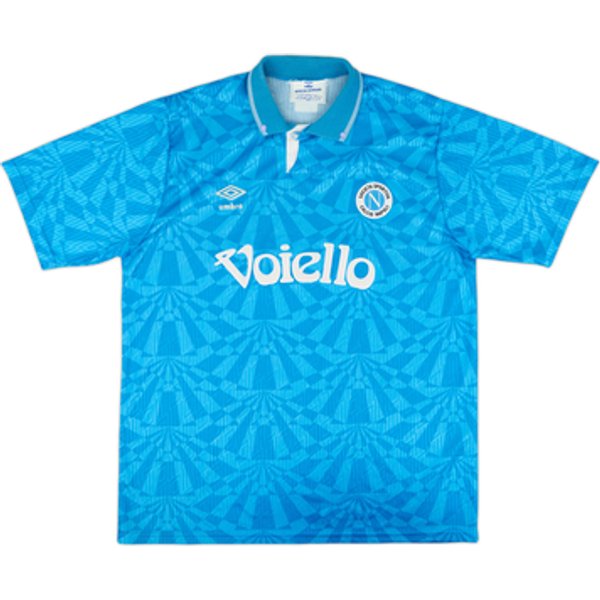
No player has ever carried a team the way Maradona carried Argentina in 1986. He scored or made nearly every goal that mattered, and his quarter-final against England produced both the “Hand of God” and a solo run past five defenders that is still called the goal of the century. Then he did the near-impossible at club level, dragging unfashionable Napoli to two Serie A titles in a city that had never won one, becoming a near-religious figure in southern Italy. He never won a Ballon d’Or only because the award was closed to non-Europeans for his whole peak. As a force of individual will bending entire tournaments to his feet, Maradona has no equal.
2. Pelé, forward, Brazil
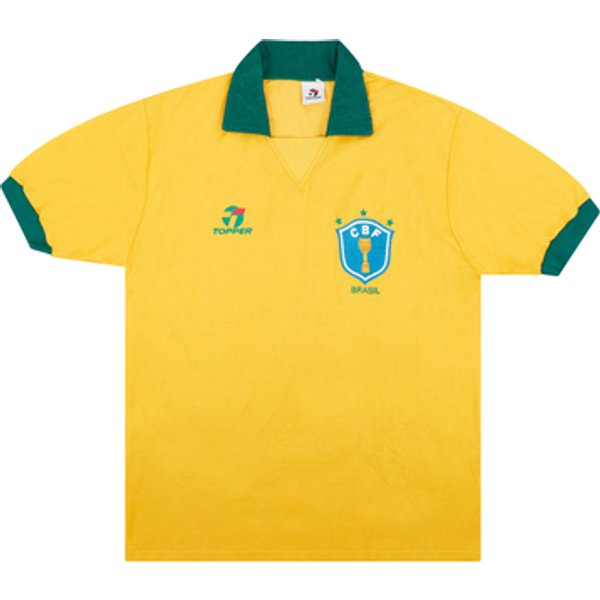
Pelé is the only man to win three World Cups, and he did it across three different sides over twelve years, from a 17-year-old scoring twice in the 1958 final to the heartbeat of the 1970 team many still call the greatest ever assembled. His goal tally runs past a thousand, and while the bookkeeping of the era invites debate, no one questions that he scored at a rate the sport had never seen. He spent his career at Santos rather than in Europe, so he has no European Cups to show, the one gap in an otherwise untouchable record. As the global ambassador who carried football to the United States and beyond, Pelé’s only rival for the top spot is the man who finally moved past him.
1. Lionel Messi, forward, Argentina

Messi is number one because he is the only player who tops nearly every category at once. He holds a record eight Ballon d’Ors, won four Champions Leagues and a decade of dominance at Barcelona, and remained the best player on the field deep into his thirties. For years his critics had a single line of attack: he had never won a World Cup. In December 2022 he removed it, leading Argentina to the title in Qatar and ending the debate that had followed him his whole career. He combines Maradona’s dribbling, Ronaldo’s goal output, and Cruyff’s vision in one right-footed package, and he sustained it longer than any of them. Peak, trophies, awards, longevity, and influence all point the same way. Messi is the greatest of all time.
All-time greats by the numbers
The case for each player is partly a story and partly a scoreboard. Here is the scoreboard. Note that the Ballon d’Or was open only to European players until 1995, which is why Pelé and Maradona, dominant in eras when they could not be nominated, show zero in that column despite being two of the greatest ever.
| Player | Ballon d’Ors | World Cups | European / Champions Cups |
|---|---|---|---|
| Lionel Messi | 8 | 1 (2022) | 4 |
| Pelé | 0 (ineligible) | 3 (1958, 1962, 1970) | 0 |
| Diego Maradona | 0 (ineligible) | 1 (1986) | 0 |
| Cristiano Ronaldo | 5 | 0 | 5 |
| Johan Cruyff | 3 | 0 | 3 |
| Alfredo Di Stéfano | 2 | 0 | 5 |
| Zinedine Zidane | 1 | 1 (1998) | 1 |
| Ronaldo Nazário | 2 | 2 (1994, 2002) | 0 |
| Franz Beckenbauer | 2 | 1 (1974) | 3 |
| Ronaldinho | 1 | 1 (2002) | 1 |
Messi vs Ronaldo vs Pelé vs Maradona: who is the real GOAT?
This is the argument every list exists to settle, so we will not dodge it. Each of the four owns a piece of the case. Pelé has the trophy cabinet no one can match, three World Cups in an age when the tournament was the undisputed summit. Maradona has the single greatest individual campaign, 1986, when one man dragged a nation to the title. Cristiano Ronaldo has the longevity and the raw numbers, more goals than anyone who has ever played, sustained across leagues and into his late thirties.
Messi has the rest. He matches Maradona for dribbling and creativity, rivals Ronaldo for output, and outlasted both at the elite level, all while collecting a record eight Ballon d’Ors. The one hole in his case closed in Qatar in 2022. With the World Cup finally won, he is the only one of the four without a glaring gap: Pelé has no European Cup, Maradona has a short peak and off-field chaos, Ronaldo has no World Cup. Our verdict is Messi, narrowly, with full respect to anyone who weights an entire era of World Cup dominance toward Pelé. That is the honest split, and it is why the debate never truly dies.
The greatest No. 10 of all time
The number 10 carries a weight no other shirt does. It belongs to the playmaker, the one expected to decide matches, and three of the men on this list defined it. Maradona is the definitive No. 10, the template for everything the role is supposed to be: a low center of gravity, impossible balance, and the burden of an entire team’s creativity on his shoulders. Pelé wore it while becoming the sport’s first global icon. Zidane gave it a more elegant, upright expression, all poise where Maradona was chaos.
If you must choose one, it is Maradona, because no one embodied the freedom and responsibility of the shirt more completely. Messi, fittingly, inherited the Argentina No. 10 from him and is the only true heir to that lineage, which is its own kind of answer to the GOAT question.
Honorable mentions
A top ten leaves out greats who would headline almost any other list. George Best had the talent of anyone here but a career cut short by life off the pitch. Michel Platini won three straight Ballon d’Ors in the 1980s. Marco van Basten’s volleys and three Ballon d’Ors were ended early by injury, the same fate that shadowed Ronaldo Nazário. Garrincha dazzled alongside Pelé and arguably swung the 1962 World Cup. Among defenders and goalkeepers, Paolo Maldini, Franco Baresi, and Lev Yashin shaped their crafts as profoundly as any forward shaped attacking play. The list could run to sixty before the arguments stopped, which is rather the point of a sport this old and this loved.
For the players who came agonizingly close to the one prize that defines this list, see our look at the top five players who never won the World Cup but deserved to. And for how the game’s reach widened beyond Europe and South America, read how David Beckham transformed soccer in the United States.
Frequently asked questions
Who is the No. 1 soccer player in history?
By our criteria, Lionel Messi. He holds a record eight Ballon d’Ors, won four Champions Leagues, sustained his peak into his thirties, and completed his case by winning the 2022 World Cup with Argentina. Pelé, with three World Cups, is the closest challenger and a defensible pick for anyone who weights tournament dominance most heavily.
Who are the top 10 greatest football players of all time?
Our ranking is Lionel Messi, Pelé, Diego Maradona, Cristiano Ronaldo, Johan Cruyff, Alfredo Di Stéfano, Zinedine Zidane, Ronaldo Nazário, Franz Beckenbauer, and Ronaldinho. The order weighs trophies, individual awards, peak dominance, longevity, and influence on the game.
Who is the greatest No. 10 in football history?
Diego Maradona. The number 10 belongs to the creative playmaker who decides matches, and no one embodied that role more completely than Maradona, especially during the 1986 World Cup. Pelé and Zinedine Zidane are the other great wearers of the shirt.
Is Messi or Ronaldo the GOAT?
We rank Messi ahead of Cristiano Ronaldo. Messi has eight Ballon d’Ors to Ronaldo’s five and a World Cup that Ronaldo has never won, along with higher individual peaks. Ronaldo’s edge is longevity and total goals, where he is the all-time leader, which keeps the debate alive among fans.
More rankings: Top 5 best free kicks ever scored