

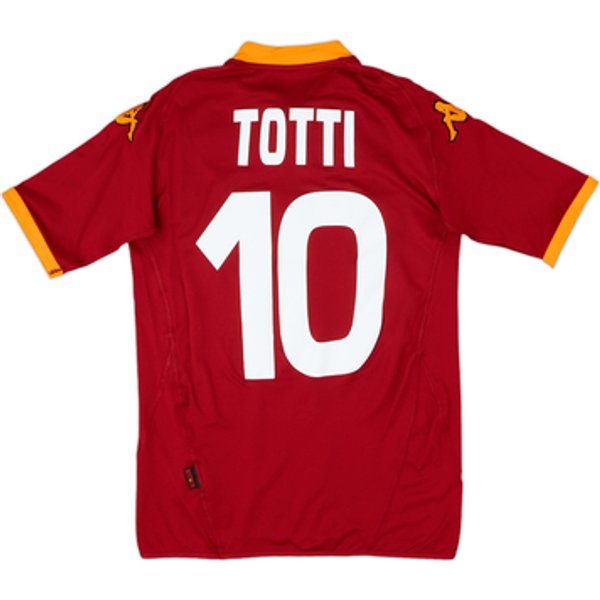
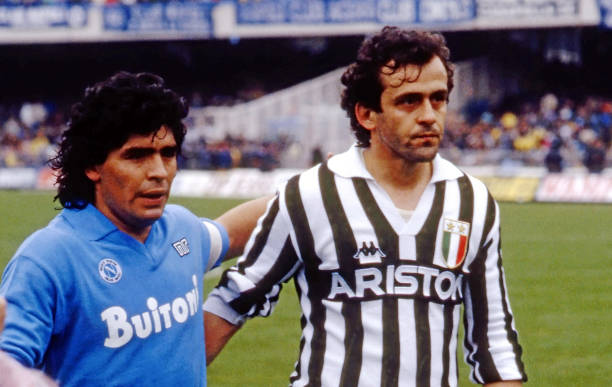
There was a time when the number 10 shirt carried the weight of an entire team’s identity. It belonged to the dreamer, the artist, the player who saw passes nobody else could imagine. From Pelé to Maradona, Zidane to Riquelme, the classic number 10 was soccer’s beating heart, the player around whom tactics, teammates, and entire generations were built. Today, that figure has all but vanished from the modern game. The trequartista, the enganche, the fantasista, whatever name you preferred, has been quietly buried beneath the relentless demands of pressing, transitions, and tactical universality. This is the story of how soccer killed its most romantic creation.
What defined the classic number 10
The classic number 10 was never just a position on the field. It was a philosophy. Operating in the space between midfield and attack, the number 10 floated freely, untethered from defensive responsibility, expected to produce moments of magic that turned games. Vision was the currency, and these players spent it lavishly. They demanded the ball at their feet, in pockets of space, with time to think. They were rarely the fastest or strongest, but they were almost always the most intelligent player on the field.
- Average touches per game for elite playmakers in the 1990s and early 2000s: 80 to 110
- Defensive actions per game: typically under 1.5
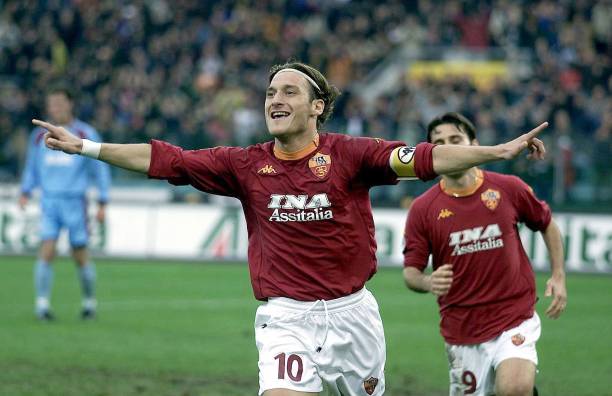
The role required protection. A holding midfielder behind, willing runners ahead, and a coach prepared to build everything around the creator’s rhythms. Juan Román Riquelme at Villarreal, Zinedine Zidane at Real Madrid, Francesco Totti at Roma, these were players whose teams were tactical love letters to their abilities.
The tactical revolution that killed him
The death of the number 10 was not an accident. It was a structural execution carried out by the most influential coaches of the modern era. Pep Guardiola’s Barcelona, beginning in 2008, demonstrated that possession could be controlled by interchangeable midfielders rather than a single creator. Jürgen Klopp’s gegenpressing at Borussia Dortmund and Liverpool made hesitation a liability. If you stopped to think, you lost the ball, and losing the ball five yards from your own box was catastrophic.
Modern soccer demands that every outfield player presses, recovers, and contributes defensively. The luxury of carrying a creator who walks for 70 minutes and produces three moments of brilliance is a luxury few coaches can afford. Even Lionel Messi, perhaps the last great number 10, eventually evolved into a false nine and later a deeper playmaker because pure number 10 play had become tactically unsustainable at the highest level. Collectors still chase the Messi PSG jersey from his Paris years.
- Average distance covered per game by attacking midfielders in 2005: roughly 9.8 km
- Average distance covered by the same role today: 11.5 km or more
The rise of the universal attacking midfielder
The space once occupied by the number 10 has been redistributed. Where one creator used to operate, modern teams now deploy two or three hybrid attackers who blend creation with pressing, dribbling with off ball running. Players like Kevin De Bruyne, Bruno Fernandes, Martin Ødegaard, and Jamal Musiala carry traces of the classic number 10 in their DNA, but they are something different. They are creators who run, defenders who pass, athletes who think.
De Bruyne, for instance, is often called a number 10 in spirit, but at Manchester City he played as an inverted box to box midfielder, a wide creator, and an attacking eight. The pure central role behind the striker, with no defensive duties, simply does not exist in any top European side anymore.
The last romantics
A few players still carry the flame. Lionel Messi at Inter Miami, freed from the tactical demands of European soccer, plays something closely resembling the classic number 10 role. In MLS, where pressing intensities are lower and tactical structures more flexible, the creative free roamer can still thrive. James Rodríguez, throughout his career, attempted to keep the position alive. Hakan Çalhanoğlu, before being repositioned as a regista, showed flashes of it. Cole Palmer and Florian Wirtz have moments where the ghost of the trequartista appears.
But these are exceptions, not rules. The systems that produce and protect number 10s have largely disappeared from academies, where versatility is prioritized over specialization. Young players are taught to press, to switch positions, to contribute in transition. The teenage Riquelme, refusing to track back and demanding the ball in the hole, would struggle to make a modern academy first team.
- Number of pure number 10s in the 2024 Ballon d’Or top 30: arguably zero
- Number of central midfielders or wide forwards: more than 20
Why it matters
Something genuine has been lost. The number 10 was soccer’s connection to its street roots, to the playground player who saw the game differently. Tactical evolution has produced better organized, more athletic, more relentless teams, but it has also flattened the individuality that made certain players appointment viewing. You watched Riquelme not because he would win you the game in 90 minutes, but because he would give you 15 seconds of beauty that you would remember for years.
Modern soccer is a sport of systems. The number 10 was a sport of personalities.
Can the number 10 return
History suggests cycles. The libero, the wing back, the false nine, all roles have been declared dead and then resurrected in modified forms. Some tactical thinkers believe that the extreme press has reached its physical limits and that the next evolution will require a creator who can break pressing structures with a single pass. If that proves true, the number 10 may return, dressed in modern clothing, asked to do more than his predecessors but still allowed to dream.
For now, though, the classic number 10 belongs to the past. He lives in YouTube compilations, in old men talking about Zidane’s volley in Glasgow, in Argentines insisting that Riquelme was the most elegant player they ever saw. He is the ghost in soccer’s machine, a reminder of when the game made room for poets among the soldiers.
The number 10 is dead. Soccer is richer for what replaced him, and poorer for what it lost.
More rankings: The 10 Best Soccer Players of All Time, Ranked · Top 5 best free kicks ever scored
 Lionel Messi
 Ronaldinho
 Zinédine Zidane