

Few patterns in international soccer are as eerie and as statistically loud as what happens to teams who lift the World Cup trophy. They come back four years later as kings of the sport, loaded with stars, confidence, and tactical blueprints that just conquered the planet. And then, more often than not, they collapse before the knockout rounds even begin. This phenomenon, often called the curse of the defending champion, has haunted the biggest names in soccer for over two decades now. France, Italy, Spain, and Germany have all fallen victim to it in dramatic fashion, and the pattern has become so consistent that fans, analysts, and even players themselves now openly fear it.
- Number of defending champions eliminated in the group stage since 2002: 4 out of 5
When did the curse begin
The story really starts in 2002. France arrived in South Korea and Japan as reigning World Cup winners from 1998 and European champions from 2000. Zinedine Zidane, Thierry Henry, Patrick Vieira, and a roster considered untouchable were expected to cruise. Instead, Les Bleus lost their opening match to Senegal, drew with Uruguay, and lost again to Denmark. They went home without scoring a single goal. It was the most shocking title defense in the history of the tournament up to that point, and it planted the seed of an idea that would only grow stronger.
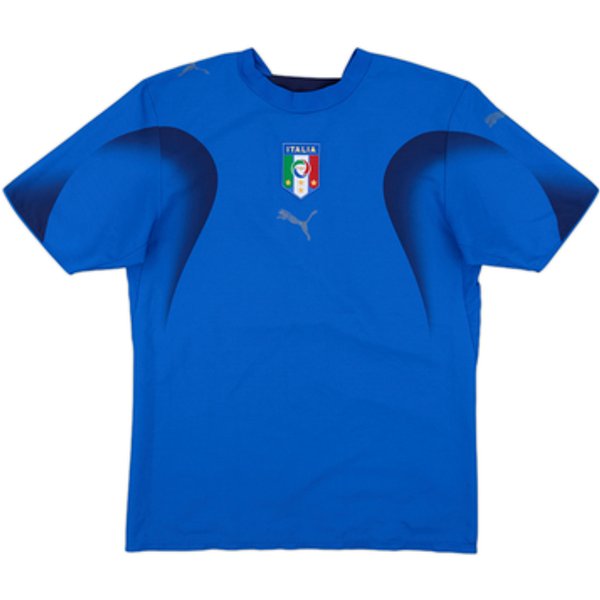
Italy followed the same path in 2010. The Azzurri had won the 2006 World Cup in Germany on Marcello Lippi’s tactical mastery, but four years later in South Africa, they finished last in a group with Paraguay, New Zealand, and Slovakia. Lippi himself returned to coach the squad, but the team looked old, slow, and disconnected from the modern game that had moved on without them.
- Goals scored by France in the 2002 group stage: 0
- Goals scored by Italy in the 2010 group stage: 4 (all in losses or draws)
The Spanish heartbreak of 2014
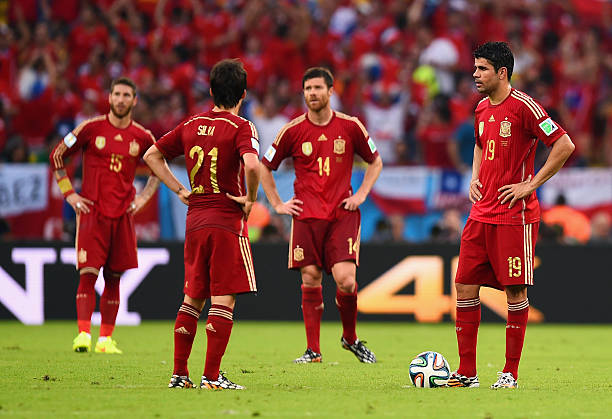
If anyone thought the curse was a coincidence, Spain’s 2014 World Cup ended that debate. La Roja had dominated international soccer like few teams in history, winning Euro 2008, World Cup 2010, and Euro 2012. They arrived in Brazil as the most decorated team of their generation. Then came the opening match against the Netherlands. Spain lost 5 to 1. Robin van Persie’s flying header became the symbolic moment of an entire era ending. A loss to Chile sealed Spain’s elimination after only two matches, the fastest exit ever for a reigning champion.
The reasons were debated for years. Some pointed to tiki taka being figured out by opponents. Others blamed an aging core that had played too many minutes at club and country level. Either way, the curse had claimed another giant.
- Spain’s goal difference in 2014 group stage: minus 5
- Number of starting players over 30 years old: 6

Germany in 2018, the most stunning collapse
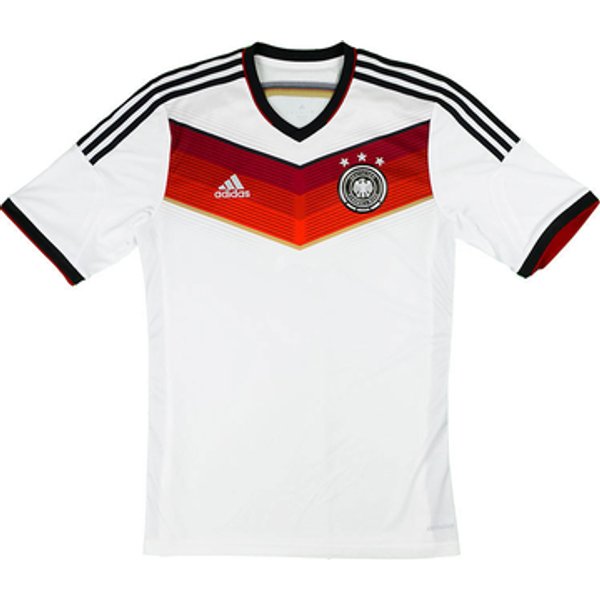
Germany’s 2014 World Cup triumph in Brazil included a 7 to 1 demolition of the hosts in the semifinal. It was supposed to be the start of a German dynasty. Joachim Löw kept the core of that team together, added young talent, and arrived in Russia in 2018 as one of the favorites. What followed was unthinkable.
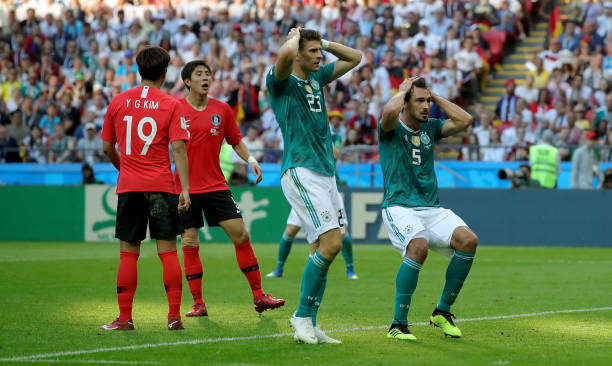
Germany lost their opening match to Mexico, beat Sweden in dramatic fashion thanks to a Toni Kroos free kick in stoppage time, and then lost to South Korea 2 to 0 in their final group game. Manuel Neuer ended up in the opposition’s box trying to score, and the ball was instead cleared and finished into an empty German net by Son Heung min. Germany finished bottom of their group. The shock was so immense that it triggered a multi year identity crisis for German soccer that arguably still affects the national team today.
- Germany’s place in 2018 group: 4th and last
- Tournaments since 2018 where Germany has advanced past the quarterfinals: 0
France in 2022, the exception that almost was
For a moment, it looked like France might break the curse in Qatar. Les Bleus, led by Kylian Mbappé, marched all the way to the final and pushed Argentina to penalties in arguably the greatest World Cup final ever played. France lost the shootout, but their run interrupted what had looked like an unbreakable pattern of group stage exits for reigning champions. Some argued the curse was officially broken since France did not crash out early. Others argued the curse simply evolved. France did not win, after all.
What helped France was a relatively young core, the explosive form of Mbappé, and a coach in Didier Deschamps who understood that defending a World Cup is a completely different psychological challenge than winning one for the first time.

Why does this curse exist
The reasons are both practical and psychological. Reigning champions face every opponent at their absolute best, since beating the holders is the ultimate motivation. Tactical systems get studied and dismantled over four years. Squads age together, and the hunger that fueled the original triumph fades. Bonuses, sponsorships, and media obligations multiply, often distracting players from the on field grind. And then there is the simple fact that World Cups are short, brutal tournaments where any group stage slip can be fatal.
- Average age of defending champion squads at exit: 28.4 years
- Tournaments where the reigning champion failed to score in the opener since 2002: 3
What does the future hold
Argentina will defend their crown at the 2026 World Cup hosted in the United States, Canada, and Mexico. Lionel Messi will likely not be there, or at least not in the form fans remember. The pressure on Lionel Scaloni’s team will be immense, and the curse will be one of the storylines dominating coverage from the opening whistle. History suggests the smart bet is against them. But soccer, like all great sports, exists precisely because the impossible sometimes happens.
 France
 Germany
 Spain
Spain