

Every August brings the same nervous question for a handful of clubs. Who fills the bottom three? The 2026/27 Premier League season kicks off on August 21, with Arsenal defending the title they finally won last year and three familiar names sweating over survival before a ball is kicked. Wolves, Burnley and West Ham went down last season, and the promoted trio arrives carrying the usual burden of low expectations. Bookmakers rarely show mercy to the new boys. Yet recent history proved that the drop is not always a clean sweep, because Leeds and Sunderland tore up that script in 2025/26. So who is most at risk this time? Here is our countdown of the five clubs staring hardest at the trap door.
No. 5: Fulham
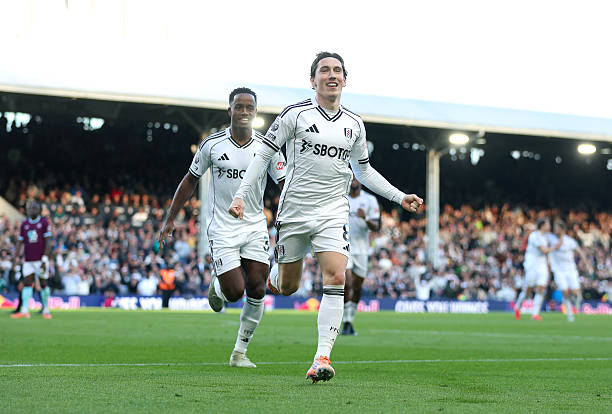
Fulham are the surprise name on this list, and that is exactly why they belong here. This is a club that came within a single goal of qualifying for the Europa League last May, so relegation talk feels dramatic on the surface. Then you look closer. Marco Silva left for Benfica, and the man replacing him, Álvaro Arbeloa, arrives with almost no senior management experience beyond a brief spell at Real Madrid. Fulham fielded the oldest starting eleven in the league last season and have spent the summer tearing it down, moving on Raúl Jiménez and captain Tom Cairney while betting on young imports like Gonzalo García. That is a lot of upheaval for a side with no margin for a slow start.
American fans have a clear reason to watch too. Antonee Robinson, fresh off a strong World Cup with the USMNT, remains the heartbeat of Fulham’s left flank when fit, and his availability may decide whether the Cottagers float or sink.
- Average age of Fulham’s starting eleven in 2025/26: 27.6
No. 4: Sunderland
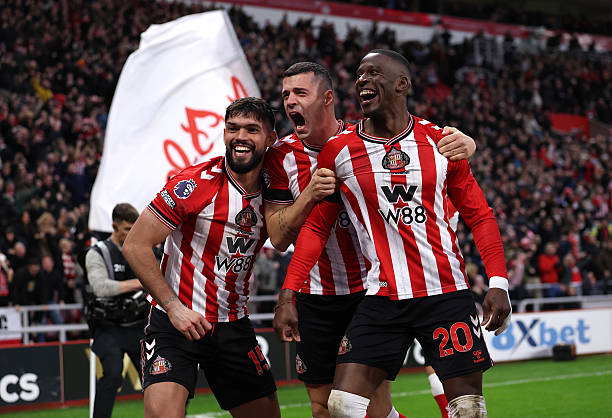
Sunderland were the feel good story of last season. A seventh place finish, 54 points and a first European qualification since 1973 turned the Stadium of Light into a carnival. The numbers underneath tell a colder story. The Opta supercomputer already flags the Black Cats as genuine relegation candidates, warning of the dreaded second season syndrome that has swallowed so many promoted clubs. Only Burnley and Wolves, both relegated, created less from open play last year.
Régis Le Bris will also have to juggle Europa League nights with league survival, a balance that has tripped up better squads than this one. Sunderland toured the United States in preseason, facing Liverpool, Leeds and Wrexham, so American audiences got an early look at what is coming. The atmosphere on Wearside will be electric all season. Whether the soccer matches it is the question that decides their year.
- Sunderland’s Opta relegation probability: 25.9%
No. 3: Coventry City
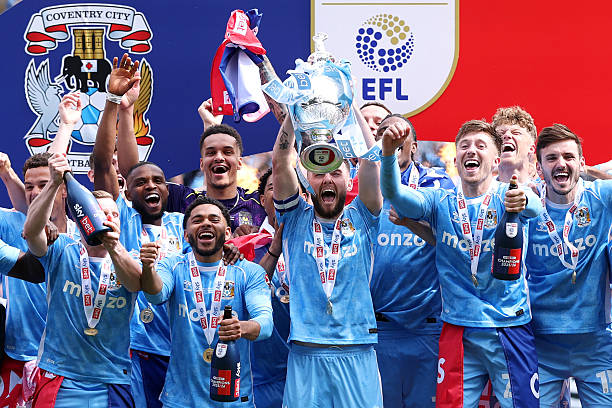
Of the three promoted sides, Coventry look the best built to stick around, which is precisely why they sit at No. 3 rather than higher. Frank Lampard’s team earned promotion playing attractive, front foot soccer, and there is a genuine belief around the club that they can compete rather than simply survive. History is unkind, though. The jump from the Championship remains brutal, and plenty of stylish promoted teams have been picked apart by Premier League quality inside two months.
Coventry will need their key attackers to adapt fast and their summer recruitment to hold up against a level most of the squad has never faced. The optimism at the CBS Arena is real. So is the risk that the same expansive style which won them promotion leaves them exposed against the best teams in the world.
No. 2: Ipswich Town
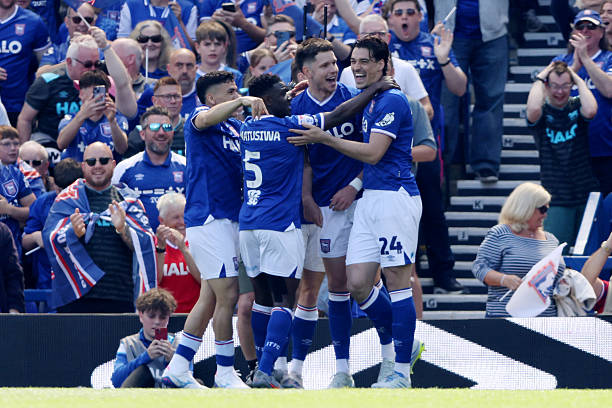
Ipswich know exactly what this league can do to a promoted club, because they lived it barely a year ago. Relegated in 2024/25 after a single season back, Kieran McKenna’s side dusted themselves off, won promotion again, and now return hoping for a different ending. The concern is that little has fundamentally changed about the gap they fell into last time.
Yo-yo clubs often carry scars, and the psychological weight of having already failed at this level can be heavier than any tactical problem. Ipswich have the manager and the clear identity to make a fight of it, and McKenna remains one of the brightest coaches outside the elite. What they still lack is proof that they can turn good performances into the points survival actually demands.
No. 1: Hull City

No club is a shorter price to go down than Hull City, and it is not especially close. The Tigers returned to the Premier League through the playoffs, reaching the top flight for the first time since 2016/17, and bookmakers have essentially written them off before kickoff. That is harsh in principle and understandable in practice. Hull scraped up rather than storming up, they face the steepest quality gap of any team in the division, and a squad assembled for a Championship promotion push now has to hold its own against Arsenal, Manchester City and Liverpool week after week.
Miracles do happen. Nottingham Forest and others have proven that a promoted club can defy the market and thrive. But everything about Hull’s situation points toward a long, bruising season, and the smart money says the trap door is already creaking beneath them.
- Bookmakers’ relegation probability for Hull City: 79%
The verdict
Predicting relegation in August is a fool’s errand, and that is half the fun. Every one of these five clubs has a believable path to safety, and at least one of them usually finds it. If last season taught us anything, it is that the promoted teams are not guaranteed victims and the established sides are not guaranteed safe. Come May, this list will look either prophetic or laughable. In the Premier League, it is almost always a little of both.
 Coventry
 Fulham
 Hull City
 Sunderland