

On January 18, 2026, the AFCON 2025 final seemed to have delivered its verdict: Senegal defeated Morocco in a hard-fought match in Rabat. A victory earned on the pitch, celebrated as a new high point for the Lions of Teranga.
But two months later, on March 17, the Confederation of African Football sent shockwaves through the sport by ultimately naming Morocco as the winner by default. A decision that is extremely rare at this level of competition, plunging African football into a major institutional and symbolic crisis.
CAF tangled in its own decision
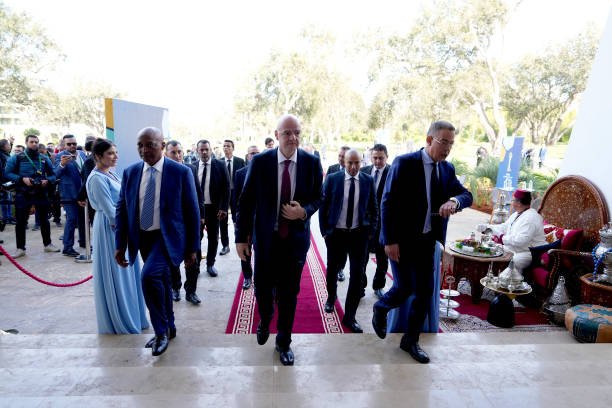
It is difficult to find a situation this confusing in recent football history. The decision by the Confederation of African Football to overturn the result of a final two months after it was played raises a fundamental question: governance and the credibility of the institution.
According to reports from multiple media outlets, including RMC Sport and L’Équipe, the origin of this reversal lies in an administrative irregularity related to the match sheet or the eligibility of a Senegalese player. An error that, if confirmed, should have been detected well before the final—not after the title had already been celebrated.
What shocks observers most is the timing. For two months, Senegal was recognized as African champion. Celebrations took place, medals were awarded, and history seemed written. Then, suddenly, the CAF changed its position.
This late reversal gives the impression of an institution overwhelmed by its own regulations. As highlighted by Le Monde, some observers even described the decision as “surreal,” or as a blow to the credibility of African competitions.
More broadly, this case exposes the structural weaknesses of African football: a lack of transparency and opaque disciplinary procedures. At a time when CAF is trying to improve its international image, this episode feels like a significant step backward.
Two teams caught in an akward situation
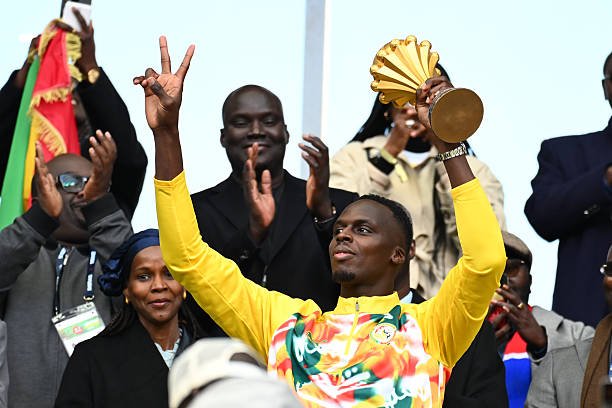
Beyond institutional considerations, this situation places both teams in a deeply uncomfortable position.
On Senegal’s side, the dominant feeling is one of profound injustice. The players won on the field, in a match that will be remembered as a complete performance. Stripping them of the title afterward effectively erases, at least in part, their sporting achievement.
As reported by Le Monde, some members of the Senegalese squad described Morocco’s title as a “hollow victory,” and the decision as extremely difficult to accept on a human level. The emotional impact is even greater given how rare this kind of situation is at this level.
But Morocco does not emerge unscathed either. Officially crowned champions, the country now holds a title that paradoxically lacks legitimacy in the eyes of many observers. Winning a competition without doing so on the field—and weeks after the final—is a difficult reality to embrace.
This “poisoned medal,” as described by L’Équipe, perfectly captures the discomfort. Moroccan players themselves find themselves in an ambiguous position: they are champions, but without the full recognition that usually comes with such a triumph.
The image of both teams is also at stake. Senegal appears as the victim, but must deal with frustration and confusion. Morocco, meanwhile, faces criticism and suspicion, despite having no direct responsibility in the decision.
Senegal’s appeal
In response to this ruling, Senegal acted quickly. The Senegalese federation has decided to take the case to the Court of Arbitration for Sport, the highest authority in international sports disputes.
The stakes go far beyond AFCON 2025. As one Senegalese lawyer stated in an interview with RFI, “it is the integrity of world football that is being judged.” A powerful statement that reflects the symbolic importance of this case.
The appeal is based on several arguments. First, the fundamental principle of sport: matches must be won on the field. Second, the issue of timing: is a decision made two months after the fact legally valid? Finally, the proportionality of the sanction: stripping a title is an extreme measure, rarely applied.
Senegal hopes to have CAF’s decision overturned, or even to have the title restored. However, the process could be lengthy, and the outcome remains uncertain.
This appeal also puts CAF under significant pressure. A potential ruling against the organization by the CAS would deal a serious blow to its credibility and could force a deep overhaul of its disciplinary procedures.
Beyond the final verdict, this case could set a precedent. It raises essential questions about governance in football, decision-making transparency, and respect for the fundamental principles of the sport.
In any case, one thing is certain: the winner of AFCON 2025 will never be a champion like any other.
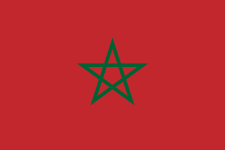 Morocco
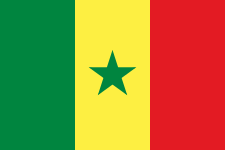 Senegal
 Nicolas Jackson