

Sunday, Manchester United and Liverpool meet for another chapter in a rivalry that goes far beyond football. A clash born long before stadiums, in the industrial dust of the 19th century, and one that has continuously reinvented itself into what is now known as the “Derby of England.”
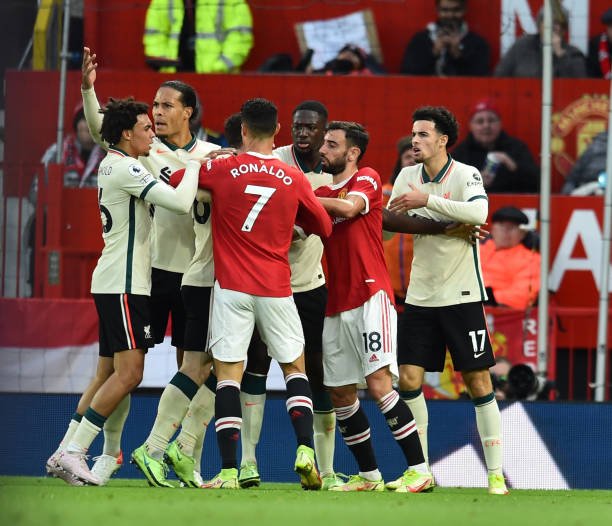
A hatred born from a canal

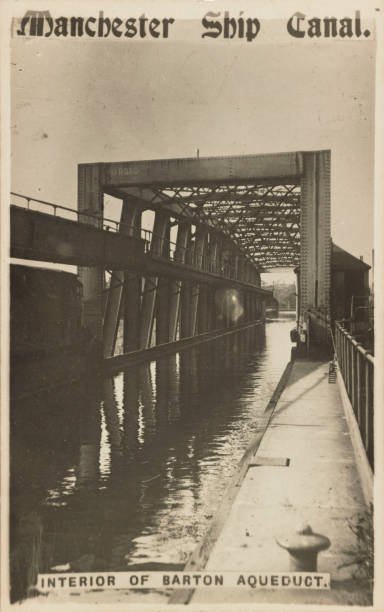
At the beginning, there was no ball, not even fans. There were two cities: Manchester and Liverpool. Two major hubs of the British Industrial Revolution, interdependent yet fundamentally different. Liverpool, a global port, controlled maritime trade. Manchester, the heart of the textile industry, depended on that port to export its cotton. An unequal relationship… one that would explode with a massive project: the Manchester Ship Canal, inaugurated in 1894.
Built to allow ships to reach Manchester directly, the canal bypassed Liverpool and its port taxes. An economic decision, but one perceived as a betrayal. Behind the engineering was a symbolic insult: Manchester no longer wanted to depend on Liverpool. The result? Significant economic loss for the port city and lasting resentment between the two populations.
This commercial conflict became cultural. Two identities clashed: Manchester, an ambitious industrial city, and Liverpool, a proud, cosmopolitan port.
The rivalry was born, and football—through its growing popularity—simply gave it a stage.
From economic conflict to a sporting rivalry
As professional football took hold in the early 20th century, both cities found their representatives. Manchester United (formerly Newton Heath) and Liverpool began to rise. Even the symbols reflect this story. Liverpool’s crest, featuring a ship, represents its maritime identity. Manchester United embodies industrial and working-class power. Two opposing DNAs: Liverpool for openness, trade, and maritime heritage; Manchester for production, transformation, and modernity.
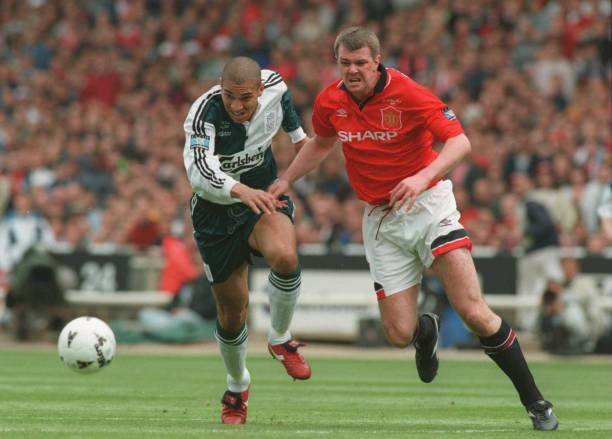
The pitch became an extension of this historic opposition.
Yet paradoxically, the sporting rivalry took time to truly ignite. For decades, it remained secondary. Everything changed in the 1960s. Liverpool, under Bill Shankly, became a national powerhouse. In 1964, the Reds won the league and directly challenged United for English supremacy. That’s when the modern rivalry truly took shape:
it was no longer just Manchester vs Liverpool, but the best club in England against its direct rival.
A battle for dominance
From that point on, the rivalry became a fight for hegemony. The 1970s and 80s were dominated by Liverpool, while the 1990s and 2000s belonged to Manchester United.
Two eras of dominance that fueled a shared obsession: becoming the most successful club in England. This constant competition created a unique tension. Both clubs accumulated domestic and European titles, reinforcing their global stature. And the rivalry extended beyond the pitch. There have been no direct transfers since 1964. A deliberate hostility between supporters, and a massive global audience for every meeting.
 Liverpool
 Manchester United