

Italian soccer is going through yet another institutional crisis it could have done without. Just as the Italian Football Federation (FIGC) believed it had found a fresh start by handing the keys to its new project to Paolo Maldini and Leonardo, the bizarre saga surrounding Andrea Pirlo’s near-appointment plunged the Azzurri into an unprecedented state of turmoil. In the span of just two weeks, what was supposed to mark the rebirth of Italian soccer turned into a full-blown governance crisis, ending with the shocking resignations of both Maldini and Leonardo.
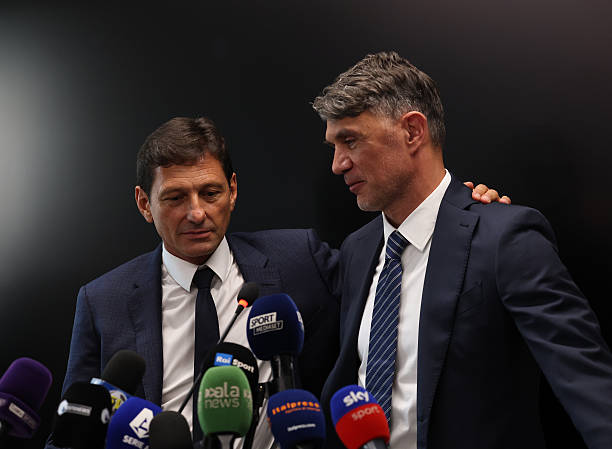
Pirlo’s project fell quickly appart
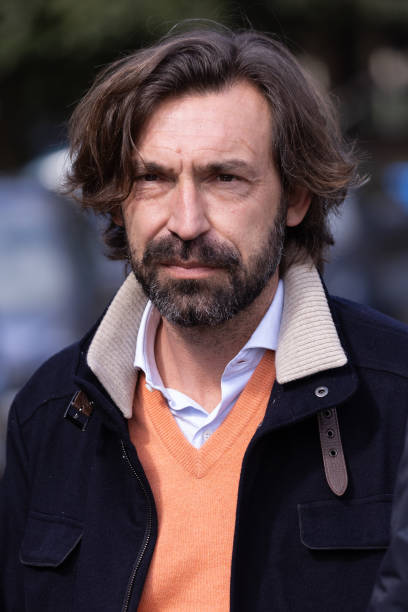
After a series of disappointing results that left Italy struggling to reclaim its place among Europe’s elite, the FIGC decided it was time for a fresh beginning. Two of the most respected figures in world soccer, Paolo Maldini and Leonardo, were appointed to rebuild an ambitious sporting project.
Their first task was clear: find a head coach capable of reviving the Azzurri ahead of the next international competitions. It did not take long for one name to emerge as the overwhelming favorite: Andrea Pirlo.
The former Juventus and AC Milan maestro represented a prestigious choice. A World Cup winner in 2006, admired for his vision of the game and widely regarded as a symbol of modern Italian soccer, Pirlo seemed like the perfect candidate to lead this new era.
According to several Italian media outlets, Maldini and Leonardo believed they had found their man. Negotiations were well advanced, and the appointment appeared all but official. But the situation suddenly took an unexpected turn when Italian political authorities became involved in Pirlo’s candidacy.
The former midfielder had maintained ties with Russia for several years. After his coaching stint in Turkey, he accepted a position with a Russian club despite the geopolitical tensions following Russia’s invasion of Ukraine. More broadly, some of his reported connections with figures close to the Russian government fueled controversy in a country where such issues remain extremely sensitive.
Although no official ban was ever imposed, political pressure quickly became too intense. Faced with mounting criticism, the FIGC ultimately abandoned its plan to appoint Andrea Pirlo.
The decision deeply frustrated Paolo Maldini and Leonardo.
The two executives believed their responsibility was to appoint the best possible coach based solely on sporting merit. Seeing their decision overturned for political reasons was viewed as a direct challenge to their authority. In their eyes, accepting such interference meant endorsing a system in which technical decisions could be dictated by forces outside the game itself.
Maldini and Leonardo walk away
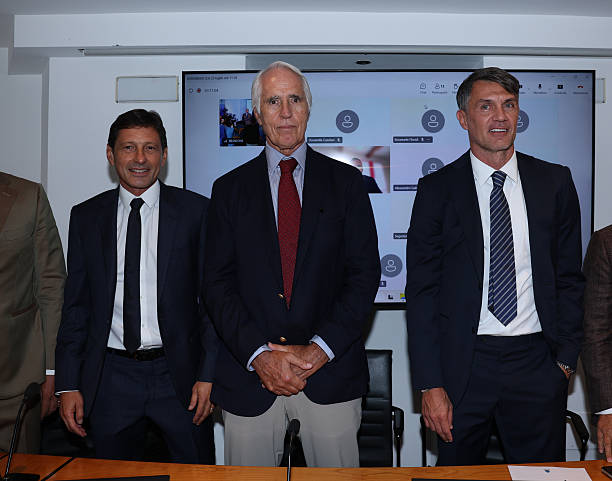
The split soon became inevitable.
Barely two weeks after taking office, Paolo Maldini and Leonardo submitted their resignations.
Their departures sent shockwaves through the Italian federation. The two men were supposed to provide credibility to the new project and symbolize the return of soccer people to positions of leadership after years of criticism aimed at the FIGC’s management.
Instead, their resignations left an impression of amateurism rarely seen at this level.
How can Italy convince the best coaches or executives to join the national team when two figures as respected as Maldini and Leonardo leave before they even have the chance to begin their work?
Above all, the affair exposed the deep divisions currently running through Italian soccer.
Between the federation, political authorities, competing institutional interests, and relentless media pressure, the appointment of a national team coach turned into what felt like a full-scale political crisis.
The Pirlo saga also highlighted the FIGC’s inability to establish a clear direction. After giving Maldini and Leonardo what appeared to be full authority, the federation ultimately allowed their primary choice to be overturned, instantly damaging its own credibility.
Beyond the institutional questions, it is the national team that finds itself paying the highest price.
Italy is now without a head coach, without a sporting director, and without any clearly defined sporting project.
A rebuilding process that was already enormous after years of instability has effectively been reset to square one.
While Europe’s other major soccer nations calmly prepare for their upcoming international campaigns, the Azzurri are once again trapped in internal conflicts.
The Pirlo affair will likely be remembered as one of the most absurd episodes in recent Italian soccer history: a coach who was virtually appointed, ultimately rejected for largely political reasons, bringing down two of the greatest legends Italian soccer has ever produced in the process.
It is a crisis that perfectly illustrates the current state of the FIGC, where power struggles have once again taken precedence over the game itself.
 Italy
Italy