

The Premier League is clearly no longer familiar with the concept of a financial crisis. Every summer, the English league pushes the limits of the transfer market a little further, and 2026 was no exception. Quite the opposite. With sums that can sometimes make your head spin, transfers worth more than €100 million becoming almost routine, and promoted clubs capable of competing financially with some European giants, the English transfer window has reached another level.
A new record that leaves you dizzy
It was almost to be expected, but the figure remains impressive: Premier League clubs spent around £3.48 billion, or just over €4 billion, during the 2026 summer transfer window. A new record for the English league, surpassing the mark set… just one year earlier. In 2025, English clubs had already passed the £3 billion mark.


Perhaps the most impressive part is the speed at which these records keep falling. Ten years ago, during the summer of 2016, Premier League clubs spent around £1.2 billion. In 2026, they spent nearly three times as much. The final day of the transfer window was also completely insane, with around £475 million spent in a single day.
And this frenzy no longer concerns only the usual giants. Manchester City was the main driving force behind this spending spree, with around £458 million spent, ahead of Chelsea and Tottenham. But the phenomenon now extends far beyond the traditional “Big Six.” Even newly promoted clubs have opened their wallets in an attempt to establish themselves permanently in the top flight.
The Premier League’s economic power has become so immense that spending €100 million or €150 million is no longer necessarily reserved for a handful of clubs capable of competing for the title. The English market now operates on a scale that seems almost disconnected from the rest of Europe.
£100 millions is no longer an exception
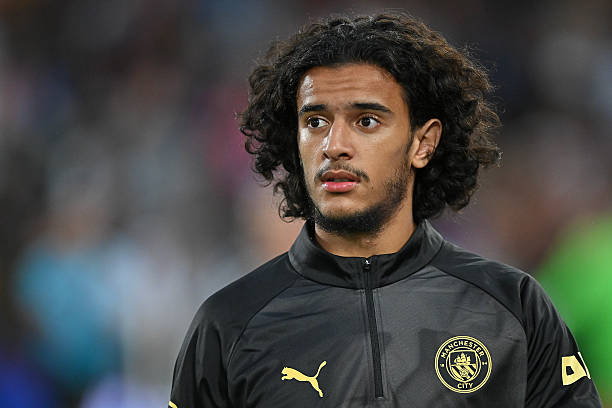
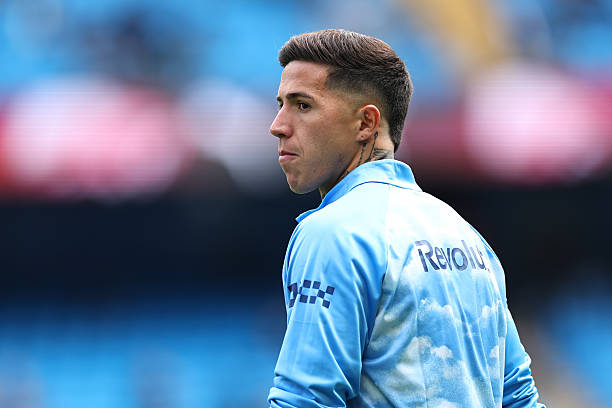
The symbol of this new market is obviously nine-figure transfers. This summer, several deals surpassed the £100 million mark, including Enzo Fernández to Manchester City for £125 million, Bradley Barcola to Liverpool for around £123 million, Morgan Rogers to Chelsea for £117 million, Elliot Anderson to Manchester City for £116 million and Sandro Tonali to Tottenham for around £100 million.
Enzo Fernández’s transfer is particularly revealing. Arriving at Manchester City from Chelsea, the Argentine was bought for £125 million, matching the British transfer record set by Alexander Isak when he moved to Liverpool the previous summer. And behind him, several other players crossed a threshold that still seemed exceptional just a few years ago.
What stands out most is the profile of these deals. English clubs are not only spending fortunes to bring in players from abroad. A huge amount of money is now circulating within the Premier League itself. Around 35% of paid transfers were therefore made between top-flight English clubs, compared with 30% a year earlier. If players recruited from the lower English divisions are included, that proportion rises to 44%.
There is a logical explanation for this strategy. English clubs know the players competing in their own league extremely well and can therefore reduce some of the risks associated with adaptation. After several expensive international signings failed to immediately meet expectations, targeting players who are already performing in the Premier League appears to be a safer solution.
But it also creates a particularly spectacular cycle: English clubs are wealthy enough to buy the best players from their rivals, while those same sales then give the selling clubs the financial means to reinvest in the market.
Even promoted clubs are involved
Perhaps the biggest change this summer is right here: the madness is no longer limited to the top clubs. The Premier League’s financial power now allows newly promoted teams to spend amounts that would have seemed unrealistic for them just a few years ago.
Ipswich spent around €245 million, more than clubs such as Arsenal or Manchester United and even more than several major European clubs. Coventry and Hull also invested heavily to prepare for their return or arrival in the top flight. In total, the three promoted clubs spent more than £400 million, according to the available data.
This is where the unique nature of the English model becomes clear. Television, commercial and Premier League-related revenues give clubs financial power unlike anything else in Europe. Even teams that have just been promoted know they have considerable investment capacity to try to stay up.
As a result, the English market is absorbing an ever-growing share of European talent and driving up prices everywhere else. Premier League clubs can pay more, more quickly and sometimes several times within the same transfer window. With more than €4 billion spent, transfers worth over €100 million becoming increasingly common and eleven clubs breaking their own transfer records this summer, the Premier League appears to have definitively moved into another financial dimension.
The craziest part of all? The 2026 record could already look normal in a few years.
 Chelsea
 Manchester City