

History was made at the 2026 FIFA World Cup.
For the first time in tournament history, nine of Africa’s ten representatives advanced out of the group stage and qualified for the Round of 32. Never before had African football enjoyed such a high success rate on the world stage. Tunisia was the only team to fall short, while Morocco, Ivory Coast, Egypt, South Africa, Cape Verde, Senegal, Ghana, Algeria and the Democratic Republic of Congo all kept their World Cup dreams alive.
This nine-out-of-ten achievement is more than just a statistical milestone—it represents a genuine shift in African football’s global standing.
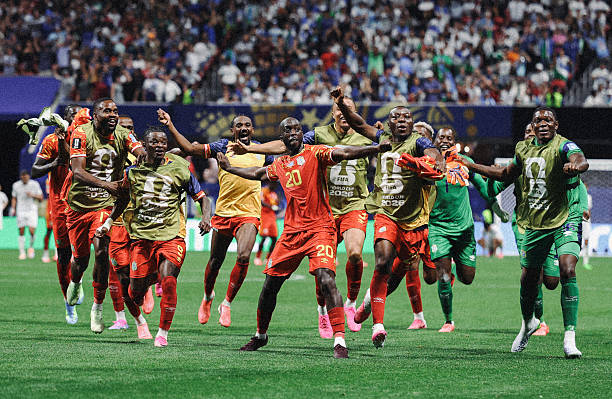
A new format opened the door
The expansion of the World Cup from 32 to 48 teams naturally gave Africa more opportunities, increasing its allocation from five to ten qualifying spots.
But reducing this historic achievement to the new format alone would be deeply unfair.
Several African teams did qualify as one of the tournament’s best third-place finishers, but they still had to earn enough points against opponents from every confederation. Senegal, Ghana, Algeria and DR Congo seized those opportunities, while Morocco, Ivory Coast, Egypt, Cape Verde and South Africa secured qualification in more convincing fashion.
The expanded format created more opportunities, but it was performances on the field that allowed Africa to set this historic record. This success is the result of years of steady progress.
Over the past decade, African football federations have invested more heavily in youth development, professional coaching staffs and modern infrastructure. National teams now arrive at the World Cup with stronger tactical identities and balanced squads that combine stars from Europe’s biggest leagues with emerging talents developed in domestic academies.
The legacy of Morocco’s historic run to the 2022 World Cup semifinals is also impossible to ignore. That breakthrough convinced the entire continent that African nations could genuinely compete with the world’s elite.
Diversity is Africa’s greatest strenght
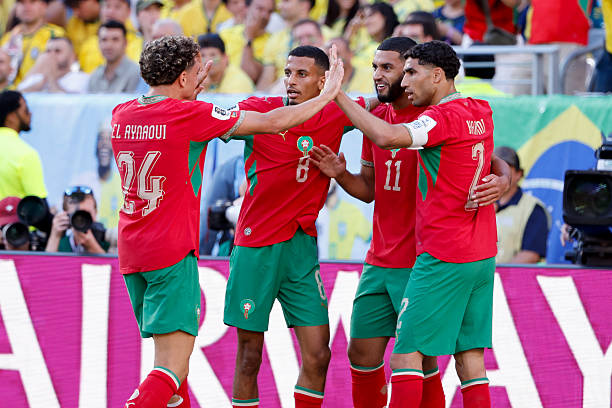
Another major takeaway from this World Cup has been the incredible diversity among Africa’s successful teams.
Morocco has confirmed its place among the world’s top football nations. Ivory Coast has rediscovered its ambition. Egypt once again demonstrated its consistency, while Senegal continues to establish itself as one of international football’s most reliable teams.
Some of the tournament’s best stories, however, have come from elsewhere.
Cape Verde continues its remarkable rise and has proven it is no longer just an underdog. DR Congo has produced one of the greatest performances in its football history. South Africa has returned to the international spotlight, while Algeria and Ghana have shown that they remain dangerous opponents despite more difficult qualification campaigns.
Never before has Africa fielded such a broad range of genuinely competitive national teams.
A response to the skeptics
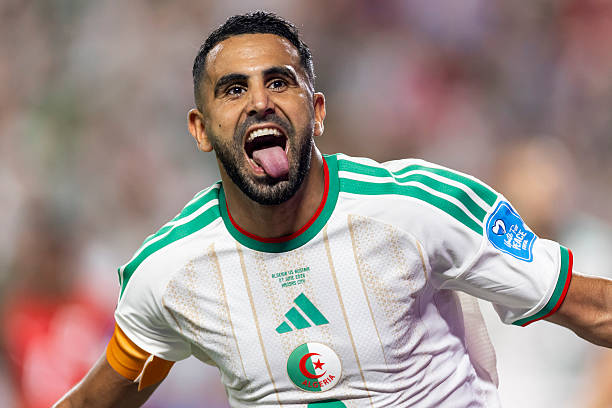
Before the tournament began, many observers questioned whether expanding Africa’s World Cup allocation under the new 48-team format was justified.
The teams answered those doubts on the field.
With a remarkable 90 percent qualification rate, Africa outperformed most other confederations proportionally. Rather than simply participating, African teams became some of the most exciting stories of the group stage, delivering impressive performances against European, South American and Asian opposition.
Their success also strengthens the long-standing argument made by the Confederation of African Football (CAF), which has repeatedly called for greater African representation in FIFA’s biggest competitions. The 2026 World Cup may well represent a turning point in football history.
For decades, African football was viewed as capable of producing occasional upsets. Today, it has demonstrated something even more important: consistency.
The objective is no longer for one African nation to reach the knockout rounds every once in a while. The goal is to make those performances the norm.
The next challenge now lies in the knockout stage. Turning this record-breaking group-stage success into historic tournament runs would mark another major step forward in the evolution of African football.
Whatever happens next, this opening phase has already secured its place in history.
With nine of its ten representatives reaching the knockout rounds, Africa has done more than set a new record—it has sent a message to the football world.
African football is no longer a surprise guest at the World Cup.
It has become one of the tournament’s main protagonists.