

Brazil have the most World Cup wins of any country, with five titles. No other nation has more, and that single number settles most arguments before they start. The rest of the ranking is tighter than people remember: Germany and Italy sit on four each, Argentina moved to three after Qatar 2022, Spain reached two by beating Argentina in the 2026 final, and only eight countries have ever lifted the trophy. Below is the full list of World Cup winners by country, the years each title was won, and the debates the bare numbers hide, with the standings updated after Spain beat Argentina in the 2026 final in North America.
As a Classic Football Shirts affiliate, The Soccer Legends earns a small commission on qualifying purchases made through these links, at no extra cost to you.
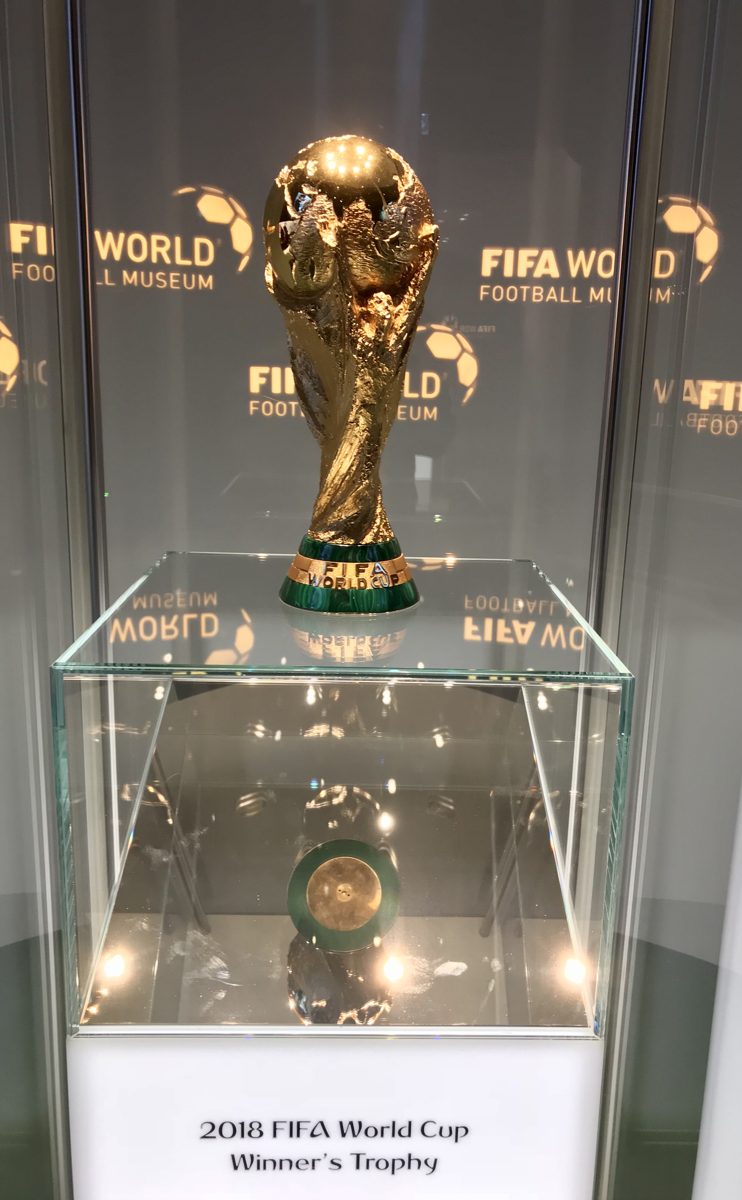
Countries with the most World Cup wins (full ranking)
Twenty-two World Cups were played between 1930 and 2022. Here is every country that has won one, ranked by number of titles, with the years and their runner-up finishes. Germany’s total includes the three won as West Germany (1954, 1974, 1990); FIFA counts them as one record.
| Rank | Country | Titles | Years won | Runner-up finishes |
|---|---|---|---|---|
| 1 | Brazil | 5 | 1958, 1962, 1970, 1994, 2002 | 2 (1950, 1998) |
| 2 | Germany* | 4 | 1954, 1974, 1990, 2014 | 4 (1966, 1982, 1986, 2002) |
| 2 | Italy | 4 | 1934, 1938, 1982, 2006 | 2 (1970, 1994) |
| 4 | Argentina | 3 | 1978, 1986, 2022 | 4 (1930, 1990, 2014, 2026) |
| 5 | France | 2 | 1998, 2018 | 1 (2006) |
| 5 | Spain | 2 | 2010, 2026 | 0 |
| 5 | Uruguay | 2 | 1930, 1950 | 0 |
| 8 | England | 1 | 1966 | 0 |
Two facts jump out. Brazil are the only country to reach five, and they did it across four decades, from Pele’s 1958 side to the Ronaldo-led team of 2002. And the trophy is shared narrowly: eight winners in nearly a century, with the top four nations holding 16 of the 23 titles between them.
How we counted the titles
Two details trip people up, so it is worth being exact. First, West Germany. The country won in 1954, 1974 and 1990 as West Germany, then again in 2014 after reunification. FIFA treats all four as the same nation, which is why Germany sit on four rather than one and three. Second, the count here is men’s senior World Cups only, from 1930 to 2026, and it is current as of the 2026 final in New Jersey. The titles, years and runner-up finishes are taken from FIFA’s official records, not estimates. Uruguay’s two wins (1930 and 1950) are sometimes forgotten because they came so early, but they count the same as any other.
Brazil vs Argentina: who really has the better World Cup record?
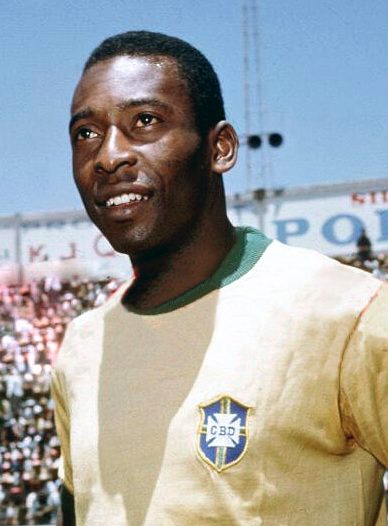
On titles, it is not close. Brazil have five World Cups to Argentina’s three, and Brazil also reached more finals across the 20th century. Pele alone won three (1958, 1962, 1970), a record for a player that still stands. Brazil’s 1970 team, with Pele, Jairzinho, Tostao and Carlos Alberto, is widely rated the finest side ever to win the tournament.
Argentina close the gap on a different measure: momentum and modern relevance. Their 2022 win in Qatar, the night Lionel Messi finally lifted the trophy, was Argentina’s third and arguably the most-watched final in history. Add Diego Maradona’s near single-handed 1986 triumph, and Argentina own two of the sport’s defining individual World Cups. Brazil have the better record; Argentina have the two greatest personal stories. Both answers can be true.
Every World Cup winner, year by year (1930 to 2026)
The full chronological list of champions, from the first tournament in Uruguay to Argentina’s win in Qatar. The 1942 and 1946 editions were cancelled because of the Second World War.
| Year | Winner |
|---|---|
| 1930 | Uruguay |
| 1934 | Italy |
| 1938 | Italy |
| 1950 | Uruguay |
| 1954 | West Germany |
| 1958 | Brazil |
| 1962 | Brazil |
| 1966 | England |
| 1970 | Brazil |
| 1974 | West Germany |
| 1978 | Argentina |
| 1982 | Italy |
| 1986 | Argentina |
| 1990 | West Germany |
| 1994 | Brazil |
| 1998 | France |
| 2002 | Brazil |
| 2006 | Italy |
| 2010 | Spain |
| 2014 | Germany |
| 2018 | France |
| 2022 | Argentina |
| 2026 | Spain |
A few editions stand apart. Italy’s back-to-back wins in 1934 and 1938 came either side of the war. England’s only title arrived at home in 1966. And Italy’s 2006 win in Berlin produced one of the tournament’s strangest finals, covered in our look at why the 2006 World Cup was the most dramatic tournament in history.
Why only European and South American nations have ever won
Every World Cup has been won by a country from Europe or South America. No team from Africa, Asia, North America or Oceania has ever lifted it. That is not an accident. The two confederations hold the deepest professional leagues, the longest history of organized football, and most of the money that develops players, so the talent pool stays concentrated.
The near-misses came close enough to feel like change. South Korea reached the semi-finals in 2002. Morocco did the same in 2022, the first African nation to get that far. The United States made the 1930 semi-final and Croatia, a country of under four million, reached the 2018 final. None broke through. The pattern held even when the gap narrowed, which is part of why the 2014 final between Germany and Argentina felt familiar: two heavyweights, one more European-South American title. You can read how that German side was built in our account of Germany’s 2014 World Cup triumph.
The best team never to win it
The flip side of the ranking is the list of nations who got close and never lifted it. The Netherlands are the painful case: three finals (1974, 1978 and 2010) and three defeats, including the 1974 side built around Johan Cruyff that changed how the game was played. Hungary’s 1950s team, the Magical Magyars, lost the 1954 final as overwhelming favorites. Czechoslovakia and Sweden each reached two finals without winning. None of them appear in the title column, which is the point: reaching the final is not the same as winning it, and the ranking only rewards the last result.
How the 2026 World Cup changed the ranking
The 2026 World Cup, hosted across the United States, Canada and Mexico, was the first shared by three nations and the first with 48 teams. It ended with a familiar name on the trophy. Spain beat holders Argentina 1-0 after extra time at MetLife Stadium on 19 July, with Ferran Torres scoring the only goal in the 106th minute. The result took Spain to two titles, level with France and Uruguay, sixteen years after their first in 2010.

The holders again fell short. Argentina followed France’s 2022 route to the final and lost it, extending the run set out in the curse of the defending champion. France’s own campaign under Didier Deschamps is covered in France’s 2026 mission. For the full story of the tournament, see our FIFA World Cup 2026 hub. No host nation or debutant went all the way, so the list of winners keeps the same eight names it has had since Spain first joined it in 2010.
Frequently asked questions
What country has won the most men’s World Cups?
Brazil, with five titles (1958, 1962, 1970, 1994 and 2002). Germany and Italy are next with four each.
How many different countries have won the World Cup?
Eight: Brazil, Germany, Italy, Argentina, France, Uruguay, England and Spain. Every one is from Europe or South America.
Who won more World Cups, Brazil or Argentina?
Brazil. They have five titles to Argentina’s three (1978, 1986 and 2022).
Which countries have won the World Cup?
Brazil (5), Germany (4), Italy (4), Argentina (3), France (2), Spain (2), Uruguay (2) and England (1).
Did a new country win the World Cup in 2026?
No. Spain beat Argentina 1-0 in the final, adding a second title to their 2010 win. No nation outside Europe and South America has ever won.