

Eight years after their remarkable run in Russia, Sweden is back at the World Cup.
Absent from the 2022 tournament following a disappointing qualification campaign, the Blågult has successfully rebuilt an ambitious project around a talented new generation. While the era of Zlatan Ibrahimović now belongs to history, Swedish football has never stopped producing high-level players. On the contrary, the national team appears to have found an appealing balance between experience and youth.
The qualifiers confirmed this resurgence. Sweden displayed a more attacking and modern style of soccer than it had during the final years of the previous cycle. Nordic observers have even described this team as the most promising Swedish side since the one that reached the quarterfinals of the 2018 World Cup.
According to several analyses published ahead of the tournament, Sweden arrives in North America with ambitions that extend beyond merely advancing from the group stage. The Scandinavian nation believes it possesses the tools necessary to become a credible dark horse once again in major international competitions.
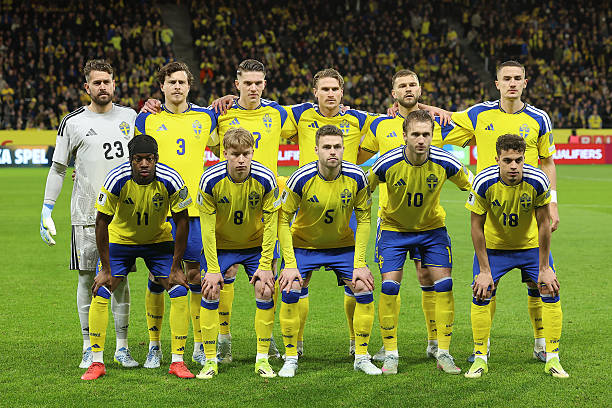
The group
Sweden has been drawn into a particularly balanced group featuring:
- Netherlands
- Tunisia
- Japan
While the Dutch appear to be the favorites on paper, the battle for first place promises to be extremely competitive. Japan enters the tournament following several impressive international campaigns and will be eager to confirm its growing status among the world’s emerging football powers.
Tunisia, meanwhile, remains known for the tactical discipline that has long characterized many of its teams. However, the national side has been navigating through uncertainty since the appointment of Sabri Lamouchi just a few months before the World Cup.
In a group where no match will come easily, Sweden nevertheless possesses the quality required to target a place in the Round of 16.
Key players
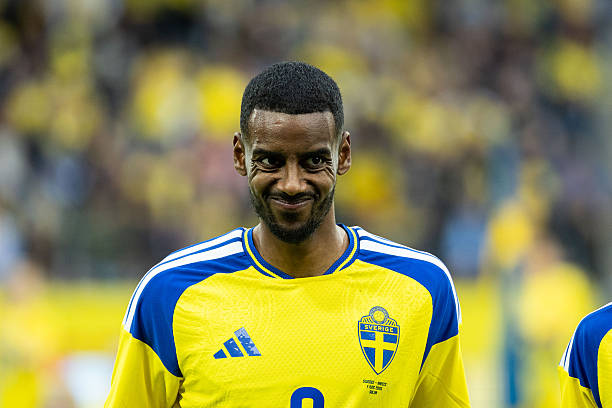
Alexander Isak
The superstar.
Sweden has arguably not possessed a striker this complete since Zlatan Ibrahimović. Fast, technically gifted, clinical in front of goal, and now accustomed to performing on Europe’s biggest stages, Isak enters the World Cup at the peak of his career.
Much of Sweden’s attacking play revolves around him. His performances could ultimately determine how far the team progresses in the tournament.
Viktor Gyökeres
The other lethal weapon.
Swedish football has not seen an attacking partnership this complementary in many years. Powerful, aggressive in his pressing, and exceptionally efficient in front of goal, Gyökeres forms one of the most dangerous strike partnerships of the tournament alongside Isak.
Several observers even view this duo as the national team’s greatest strength.
Lucas Bergvall
The symbol of the new generation.
At only 20 years old, Bergvall represents the future of Swedish football. Blessed with excellent vision, technical quality, and remarkable maturity for his age, he brings creativity and dynamism to the midfield.
The 2026 World Cup could become the tournament that introduces him to a global audience.
Victor Lindelöf
The captain and guiding figure.
Even as a new generation emerges, Lindelöf’s experience remains indispensable. The leader of the defense, the voice of the locker room, and the most experienced player in the squad, he embodies the stability this team will need during difficult moments.
Face of Sweden in 2026
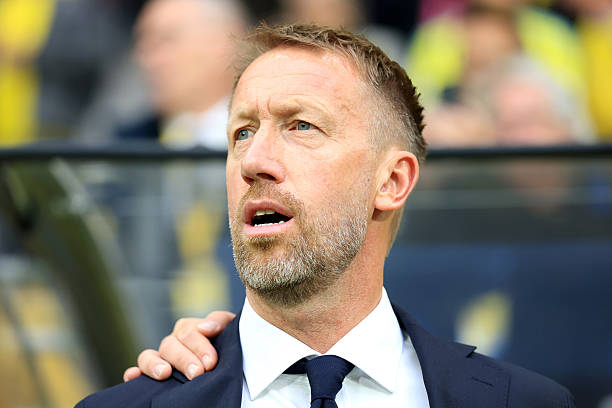
Sweden’s road to the 2026 World Cup was anything but straightforward.
Appointed in 2024 to succeed Janne Andersson, Jon Dahl Tomasson was expected to lead a new era for Swedish football. However, results quickly proved disappointing. Despite showing occasional attacking promise, Sweden produced a series of inconsistent performances and endured a particularly difficult qualification campaign.
The national team ultimately survived thanks to the safety net provided by the UEFA Nations League. Strong performances in that competition earned Sweden a place in the European playoffs after direct qualification slipped away.
Faced with growing criticism and a trajectory considered increasingly worrying, the Swedish Football Association decided to part ways with Tomasson at the beginning of 2026.
To replace him, Sweden turned to Graham Potter, a coach who knows Swedish football exceptionally well following his highly successful spell with Östersunds FK. Arriving only a few months before the tournament, Potter managed to stabilize the squad and guide Sweden through the playoffs to secure qualification.
His appointment restored optimism to a national team that appeared to be losing its identity and direction.
Sweden may not possess the depth of Europe’s traditional giants, but it arrives at the World Cup with a talented squad, a world-class attacking duo, and the momentum generated by Graham Potter’s arrival.
If the Blågult can emerge from a highly competitive Group F, they could quickly become one of the most dangerous dark horses of the 2026 World Cup. Their ceiling will largely depend on their defensive solidity, but their offensive potential is strong enough to trouble any team in the tournament.
 Sweden
 Viktor Gyokeres