

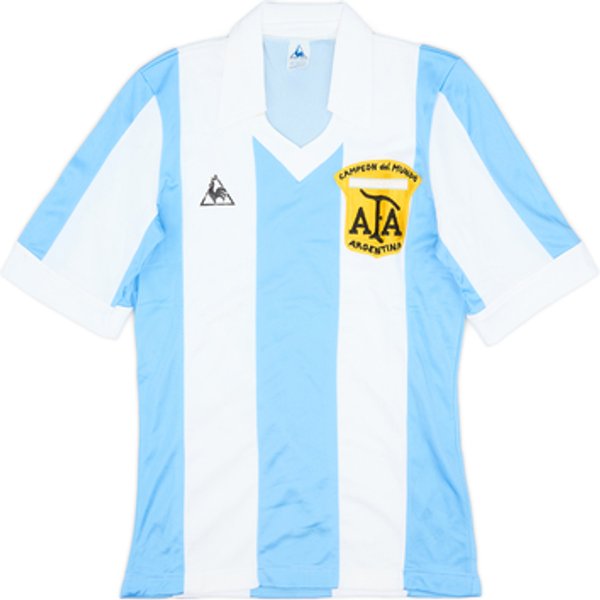
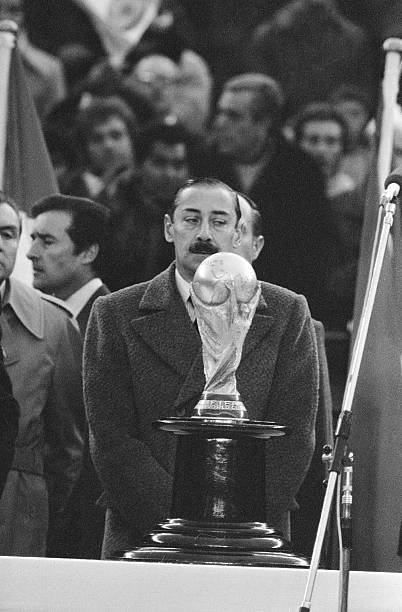
On June 25, 1978, Argentina won the first World Cup in its history by defeating the Netherlands 3–1 after extra time at Buenos Aires’ Estadio Monumental. In the stands, tens of thousands of supporters celebrated. On the pitch, Mario Kempes and Daniel Passarella entered football folklore. As the trophy was handed to the world champions, General Jorge Rafael Videla stood prominently in the spotlight. The image traveled around the world.
But behind the confetti, patriotic chants, and national euphoria lay a much darker reality: Argentina was living under one of the most brutal dictatorships in its history.
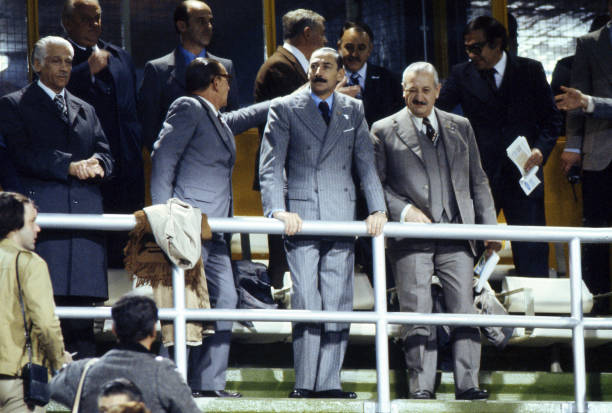
A World Cup held during the “Dirty war”
When the tournament kicked off on June 1, 1978, the military junta had already been in power for more than two years.
On March 24, 1976, a coup d’état overthrew President Isabel Perón. A military government led by Videla took control of the country. The armed forces justified their seizure of power as a necessary response to political violence and instability. In reality, the regime quickly established a vast system of repression targeting both real and perceived opponents.
It marked the beginning of what Argentines would later call the Dirty War.
Thousands of people were arrested without trial, tortured, and secretly executed. Many became desaparecidos — the disappeared. Their families often spent years without knowing their fate. Estimates vary, but tens of thousands of people are believed to have disappeared between 1976 and 1983.
For the junta, the World Cup represented a golden opportunity: to project an image of a modern, stable, and triumphant Argentina to the rest of the world.
Football as tool of propaganda
Argentina had been awarded hosting rights long before the military seized power. Yet after 1976, the regime immediately recognized the political value of the tournament.
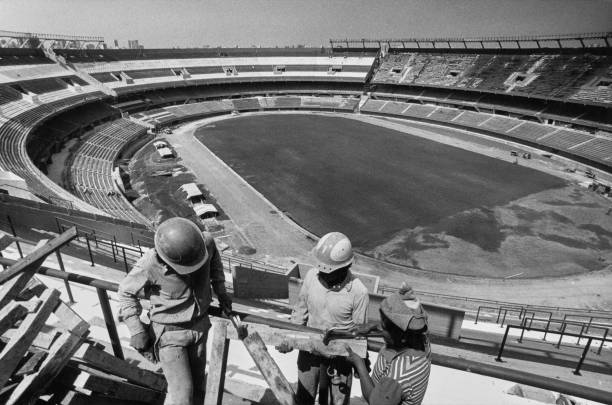
Enormous sums were invested in organizing the competition. While the country faced a severe economic crisis, the junta spent hundreds of millions of dollars upgrading stadiums, infrastructure, and communication networks designed to promote Argentina abroad.
The unofficial message was simple: present a nation united behind its national team and divert attention from growing accusations of human rights abuses.
Videla personally monitored preparations for the tournament. State-controlled media were mobilized to transform the World Cup into a demonstration of patriotism. Every victory by the Albiceleste was expected to reinforce the regime’s legitimacy.
For the military government, football was not merely a sport. It became a political instrument.
Tortures center just hundreds yards of “El Monumental”
One of the most striking symbols of the contrast between celebration and repression was found in Buenos Aires itself.
The Monumental Stadium, which hosted the final and several major matches, stood less than a mile from the ESMA, one of the regime’s largest clandestine detention and torture centers.
While tens of thousands of fans celebrated Mario Kempes’ goals, political prisoners were being held, interrogated, and tortured behind the walls of that facility.
Survivors later recalled hearing the roar of the crowd from inside their cells.
This geographical proximity became one of the most powerful symbols of the contradictions of the 1978 World Cup: on one side, the celebration of football; on the other, state-sponsored terror.
The voices denouncing this shameful event
Abroad, several organizations attempted to raise awareness.
In France, activists created a committee calling for a boycott of the tournament. Intellectuals, journalists, human rights advocates, and politicians criticized FIFA’s decision to maintain the World Cup in a country accused of crimes against humanity.
Unlike the later Olympic boycotts of Moscow in 1980 or Los Angeles in 1984, however, no large-scale boycott ever materialized.
Every qualified national team traveled to Argentina.
Football ultimately prevailed over political concerns, although several foreign journalists used their presence in the country to investigate disappearances and meet with families of victims.
The mystery of the game of Argentina against Peru
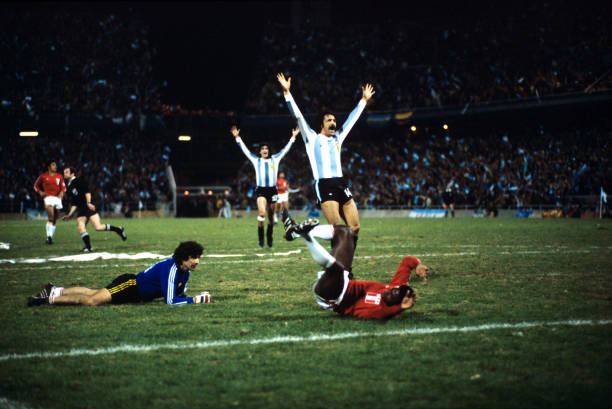
No controversy associated with the 1978 World Cup has endured more than Argentina’s 6–0 victory over Peru in the second round.
The situation was straightforward: to reach the final ahead of Brazil, Argentina needed to win by at least four goals.
Instead, they won 6–0.
The result immediately raised suspicions. Peru’s goalkeeper, Ramón Quiroga, had been born in Argentina, and numerous accounts later suggested that political pressure had been applied before the match.
Over the decades, various theories emerged: economic aid, diplomatic agreements between military regimes, promises of grain shipments, and even exchanges involving political prisoners.
No conclusive evidence has ever proven direct match manipulation. Nevertheless, doubts remain.
Testimonies that surfaced years later reignited questions about relations between the Argentine and Peruvian dictatorships within the framework of Operation Condor, the coordinated effort by South American military regimes to track and suppress political opponents.
Players caught in moral dilemma
The role of the players remains a complex issue.
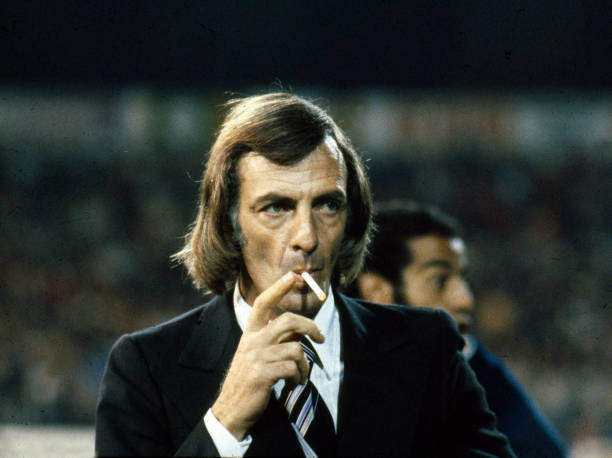
Few openly supported the dictatorship. Head coach César Luis Menotti was even known for his left-wing views and ideological opposition to the military regime.
Yet the national team became, willingly or not, a symbol of the government’s success.
The players found themselves in a difficult position: representing their country without necessarily endorsing those in power.
Many later stated that they were focused primarily on their sporting mission and did not fully understand the scale of the crimes being committed around them.
This ambiguity helps explain why Argentina’s 1978 world champions remain a sensitive topic in the country’s collective memory.
A legacy impossible to separate from dictatorship
Nearly half a century later, the 1978 World Cup remains one of the most controversial tournaments in football history.
From a sporting perspective, it marked Argentina’s emergence as a global football powerhouse. It elevated Mario Kempes to legendary status and delivered the nation’s first World Cup title.
Politically, however, it remains inseparable from Videla’s dictatorship.
Images of the trophy being lifted under the watchful eyes of military leaders serve as a reminder that major sporting events can sometimes act as a smokescreen for far darker realities.
The 1978 World Cup did not create Argentina’s dictatorship, nor did it bring it down. But for a few weeks, it offered the regime an extraordinary showcase before a global audience.
That is why, even today, the 1978 World Cup remains one of the most fascinating—and unsettling—chapters in the history of sport.
 ArgentinaArgentina