

Four years after the club’s takeover by Saudi Arabia’s Public Investment Fund (PIF), Newcastle United is arguably going through its most challenging period yet. Far removed from the excitement that surrounded the early months of the new ownership, the Magpies now appear to be a club searching for direction. Between a particularly quiet transfer window, financial fair play restrictions, and growing questions about the PIF’s long-term commitment, the club from northeast England seems to have shifted its strategy—or perhaps even its priorities. It is a situation that stands in sharp contrast to the ambitious vision presented when the takeover was completed in 2021.
A project slowed by Premier League economy reality


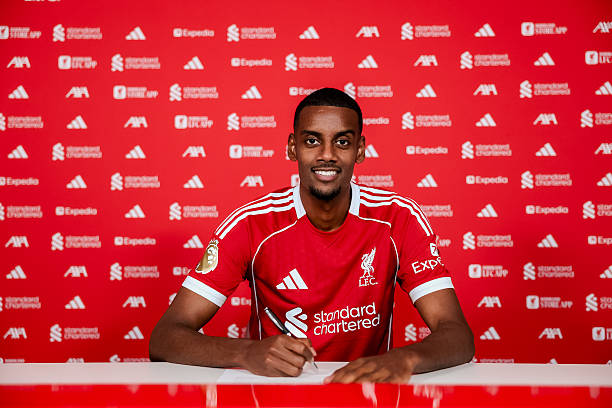
When the Public Investment Fund took control of Newcastle, many expected the club to become the next Manchester City. The early spending appeared to support that belief: more than £400 million was quickly invested to rebuild the squad, allowing Newcastle to return to the UEFA Champions League and lift the Carabao Cup in 2025.
Over the past two years, however, that momentum has slowed considerably. Unlike Europe’s wealthiest clubs, which can seemingly spend without limits, Newcastle has been forced to operate within the Premier League’s Profit and Sustainability Rules (PSR) as well as UEFA’s financial regulations. The club’s revenues remain insufficient to sustain spending on the same scale as England’s traditional financial powerhouses.
As a result, the club’s hierarchy has shifted toward a more organic model of growth: expanding commercial operations, improving infrastructure, increasing sponsorship revenue, and exploring plans for a new stadium rather than continuously inflating transfer spending. The dream of a rapid rise to the top has given way to a far more patient long-term project.
A transfer window that has raised concerns
This new philosophy has been particularly evident during the summer transfer window. While supporters expected several marquee signings to strengthen a squad that still has clear weaknesses, Newcastle has remained remarkably quiet.
Several priority targets slipped away, while many of the club’s direct rivals strengthened their squads far more aggressively. That cautious approach has fueled growing frustration among supporters, especially as several key players have been linked with potential departures while Newcastle continues to struggle to attract some of Europe’s most sought-after talent.
The prevailing feeling is that the club has become trapped between two models: too ambitious to settle for a mid-table position in the Premier League, yet financially unable to compete with Manchester City, Arsenal, Liverpool, or Chelsea for the biggest names on the market.
That sense of stagnation stands in stark contrast to the promises made when the Saudi takeover was completed, when Newcastle was widely expected to become English football’s next major force.
PIF remains ambitious target
That said, describing the project as abandoned would almost certainly be an exaggeration. Several recent analyses suggest that the Public Investment Fund has not lost interest in Newcastle. Instead, the Saudi owners appear to have adjusted their strategy.
The goal is no longer to assemble a superstar squad over the course of a few transfer windows, but rather to build a club capable of sustaining itself financially before consistently competing at the highest level of European football. That vision includes investing in infrastructure, developing young players, increasing commercial revenue, and adopting a more disciplined approach to spending.
This evolution also reflects the broader context of the PIF’s growing global sports portfolio. Newcastle is no longer the sole flagship of Saudi Arabia’s sporting ambitions, which helps explain why investment has become less spectacular than during the project’s initial years.
The real question now is whether the club can maintain its sporting appeal throughout this transitional phase. After generating enormous expectations, Newcastle is entering perhaps the most important chapter of its long-term project: proving that it can continue to grow without relying exclusively on the billions of its owners.
 Newcastle United